

A cash advance and a quick loan are not the same thing. The terms are often used interchangeably, but they work differently. A cash advance is a short-term advance, usually repaid in one lump sum. A quick loan is a broader category of fast-funded loans, and paid back can be a single lump sum or spread across several scheduled payments.
If you're comparing short-term borrowing options, understanding how each product works can help you choose the right fit. It can also help you avoid a loan that costs more, or is structured differently, than you expected.
Key Takeaways

Cash advances are best for small, short-term expenses.
Quick loans can offer more flexible repayment options.
The total cost of borrowing matters more than funding speed alone.
Approval depends on your overall financial situation, not your credit score alone.
Compare your options before borrowing to find the solution that fits your budget.


What Is a Cash Advance?
A cash advance is a short-term advance that gives you quick access to money. It's typically repaid in one lump sum on your next payday. Advances are often for smaller amounts, and they're designed to cover a temporary cash shortage rather than a long-term borrowing need.
In Canada, "cash advance" can describe several different financial products, including:
A payday-style cash advance from a licensed lender
A cash advance against your credit card's available limit
An advance through a financial technology platform or app
An employer salary advance
These products all give you access to funds before you'd otherwise receive them. But they don't work the same way. The amount you can borrow and how quickly funds land in your bank account can vary. So can how repayment works and the total cost — sometimes significantly, depending on the lender and any associated fee.
Most cash advances share one feature: they're meant to bridge a short gap until your next paycheque, not finance larger purchases over many months. Higher loan amounts and longer terms usually point you toward a different type of product.
What Is a Quick Loan?
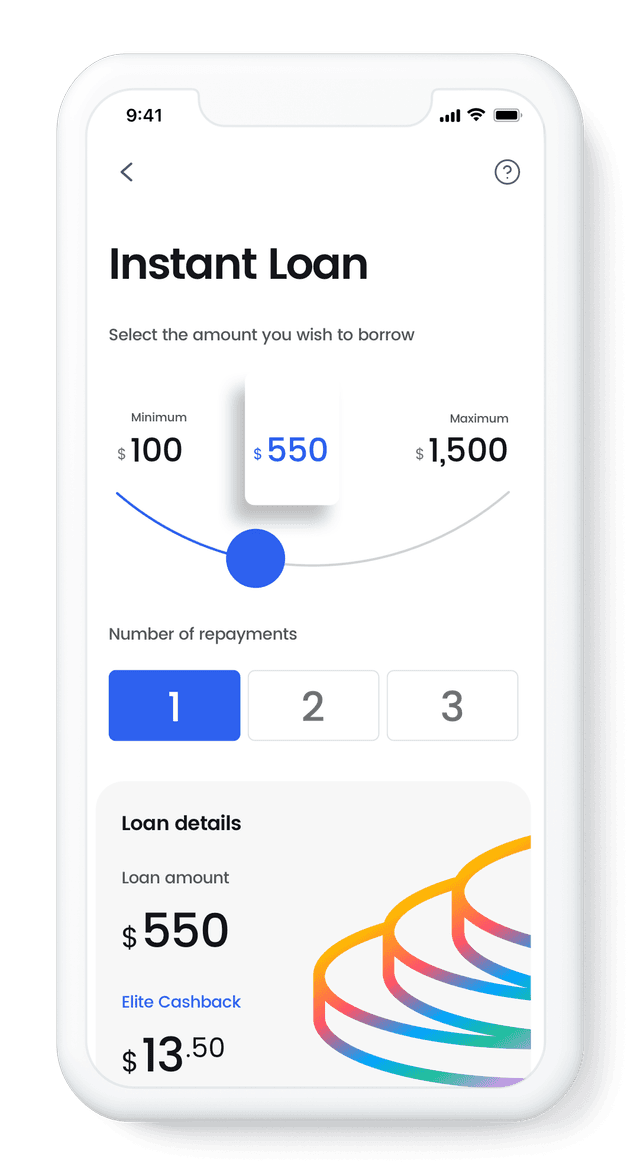
A quick loan is a broad term for any loan with a fast application process and fast funding. Unlike a cash advance, a quick loan isn't one single product. It can include several types of short-term financing, each with different repayment structures, rates, and options.
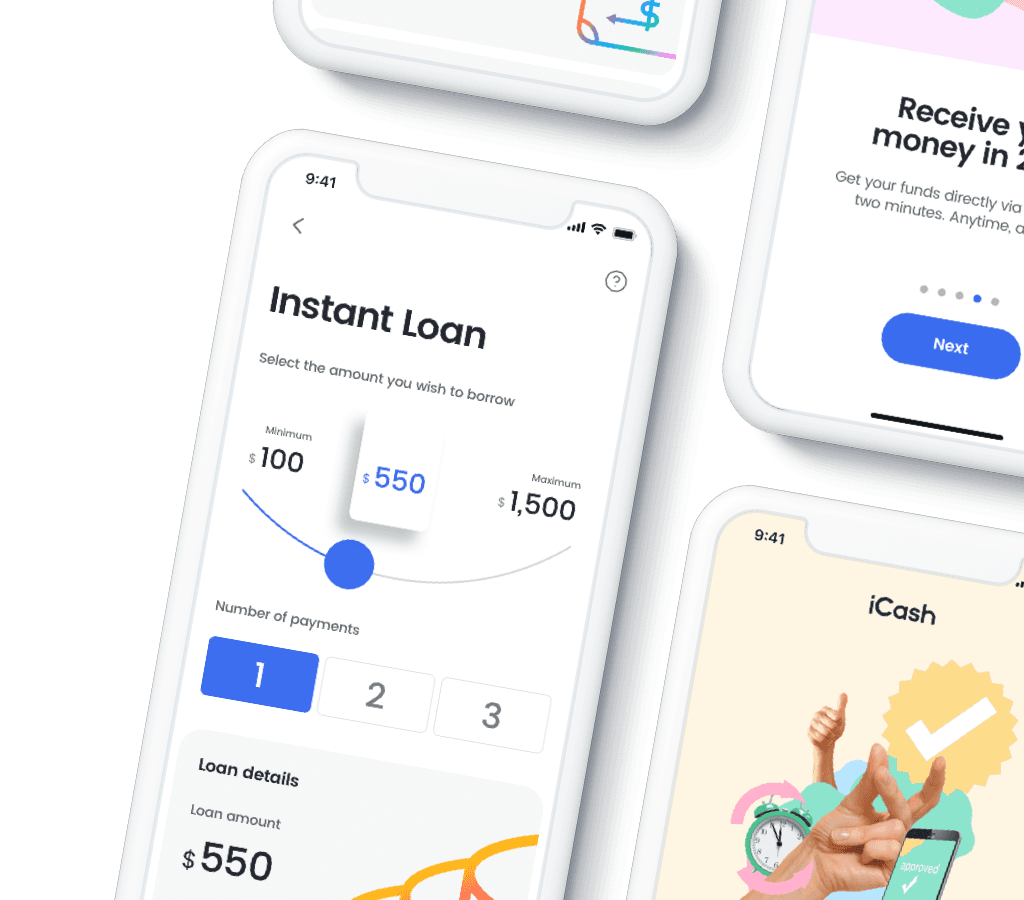
Some quick loans are repaid in a single payment. Others let borrowers spread payment over several installments. Loan amounts can also vary more widely than with a typical cash advance.
A quick loan may be worth considering when:
You need more funds than a small cash advance provides.
You'd prefer multiple payments instead of one lump-sum payment.
You need money quickly for an unexpected expense.
"Quick loan" describes funding speed, not a specific type of credit. Before you apply, compare each lender's fee structure, APR, and repayment terms. Fast access to cash shouldn't come at the cost of understanding what you owe.
Key Differences at a Glance
Feature | Cash Advance | Quick Loan |
Purpose | Covers a short-term cash shortage | Fast access to funds for various short-term needs |
Repayment | Usually one lump-sum payment | One payment or multiple installments, depending on the lender |
Typical Amount | Usually a smaller borrowing amount | Can range from a small advance to a larger short-term loan |
Funding Speed | Often available the same day, by Interac e-Transfer®, once approved | Often available the same day, by Interac e-Transfer, once approved |
Best For | A temporary expense until your next payday | Borrowers who need more flexibility in their repayment |
Neither option is automatically "better." The right choice depends on how much you need and how soon you can repay it. The total cost of borrowing matters too.
How Much Do They Cost?
Cost depends on the loan type, and the lender. In Ontario, licensed payday lenders can charge up to $14 per $100 borrowed. Payday loans are designed to be repaid quickly, so the equivalent APR looks high even though the dollar cost stays fixed.
For example:
Borrow $200
Cost of borrowing: $28
Total repayment: $228
Expressed as an annual percentage rate:
14-day repayment: approximately 365% APR
62-day repayment: approximately 82.42% APR
You won't pay 365% in interest unless you borrowed for a full year. The APR simply annualizes the fee so you can compare different financial products on a standardized rate basis.
Before accepting any loan, review these four things:
The total borrowing cost
Your repayment date
Any applicable fee
Whether the payment fits comfortably within your budget, with no added debt risk
Our free Loan Budgeting Calculator can help you estimate the total cost before you apply.

Eligibility Requirements for Each
Whether you're applying for a cash advance or a quick loan, most licensed lenders check the same core criteria. These include your age, where you live, your income, and whether you have an active Canadian bank account. Approval isn't guaranteed, and each lender reviews applications individually.
While specific eligibility requirements vary by lender, you'll generally need to:
Be the age of majority in your province or territory
Be a Canadian resident
Have a steady source of income, such as employment or eligible government benefits
Have an active Canadian bank account for deposits and withdrawals.
Many people searching for "quick cash loans no credit check" are hoping to avoid being declined over their credit history. Reputable lenders don't offer guaranteed approval, and none will skip the application process entirely — regardless of how fast their decision time is.
With iCash, a one-time hard credit check applies to your first application only. After that, returning customers can apply again without a repeat credit check. Approval always depends on your overall financial situation, not your credit score alone. If you've had credit challenges in the past, you may still qualify. It depends on whether you meet the other eligibility requirements and can show a stable source of income.
How to Apply — 3 Steps
Applying for a short-term loan is designed to be simple, with a decision time that's usually much faster than a traditional bank loan.
Complete your online application. Provide your personal, income, and banking information through a secure online form.
Receive a fast decision. Your application is reviewed, and you'll get a decision as quickly as possible. Approval is not guaranteed, and conditions apply.
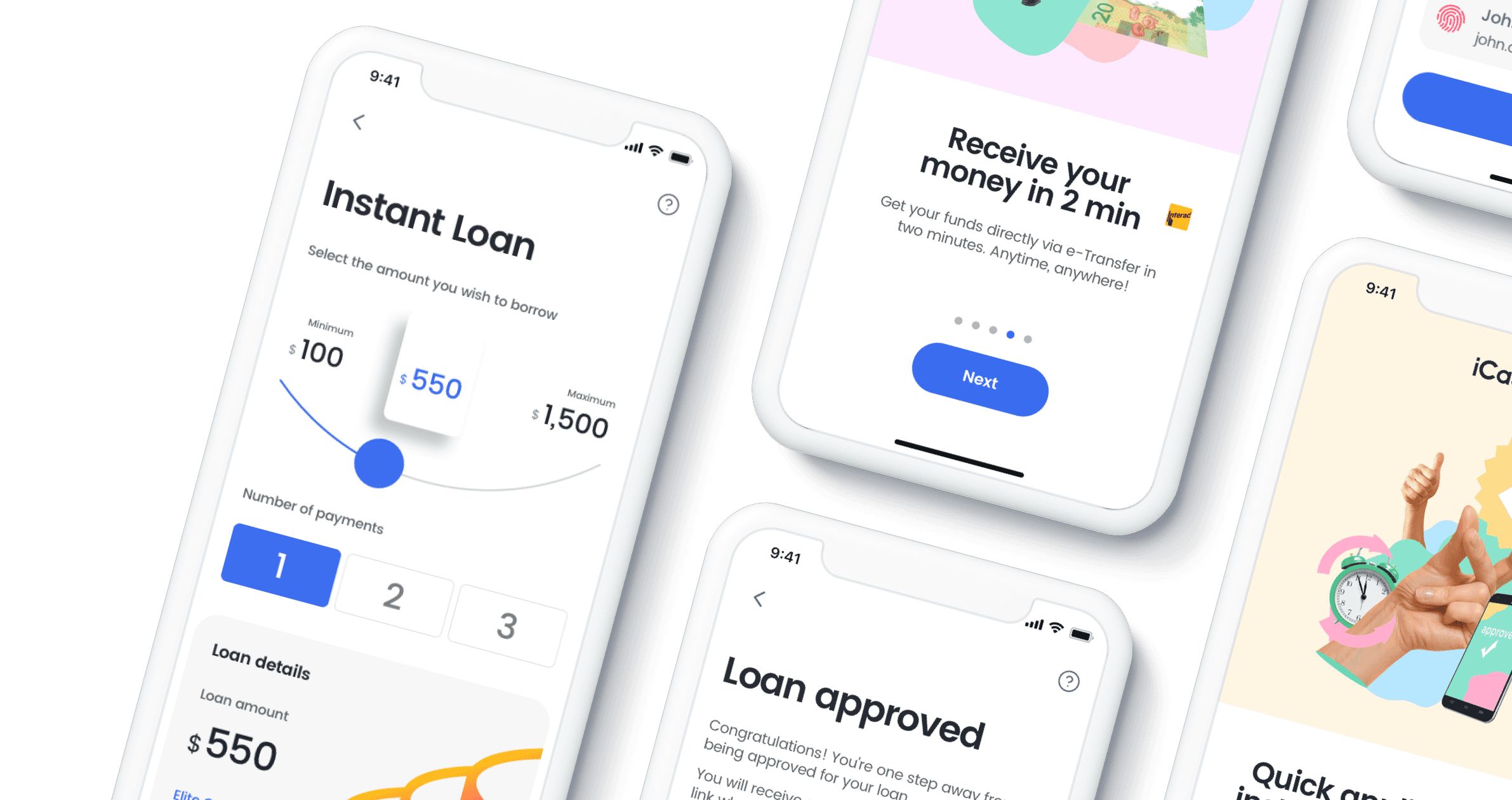
Receive your funds by Interac e-Transfer. If approved, review and accept your loan agreement. Funds are typically sent within two minutes.
Which One Is Right for You?
The right choice depends less on which product is "better," and more on how much you need, how quickly you can repay it, and what repayment structure fits your budget.
A cash advance may be the best fit if:
You need a relatively small amount.
The expense is unexpected and urgent.
You know you'll repay the full amount by your next payday.
A quick loan may make more sense if:
You need a larger amount than a typical cash advance offers.
You'd prefer a single repayment, where available.
You want more flexibility than one lump-sum payment allows.
Whichever option you're considering, look beyond funding speed. Compare the total cost of borrowing, the repayment schedule, the eligibility requirements, and whether the payment fits comfortably within your monthly budget.
Short-term borrowing is meant to solve a temporary financial gap, not an ongoing financial challenge. If another option is available — using savings, a payment plan with a service provider, or a lower-cost personal loan — it's worth considering first. If a short-term loan is the right solution, borrow only what you need, and have a realistic repayment plan before you accept.
Compare Related Products
For more information, you can also compare:
Each option serves a different purpose. Understanding the differences can help you choose the product that's most appropriate for your situation.