Menu
Date Published: April 22, 2026 (Updated September 29, 2026)
Table of contents :
TL;DR

Cash advances in Canada come in three forms: apps, payday loans, and credit card advances. Each differs in cost, speed, and regulation—apps are slower with subscriptions, payday loans offer faster funding with fixed fees, and credit cards charge ongoing interest. Choose based on how much you need and how quickly you need it
A cash advance is short-term borrowing that puts money into your hands (and bank account!) quickly, backed by future income or existing credit. Cash advances come in three main forms: app-based micro-advances, payday loans, and credit card cash advances.
App-based advances: These advances let you borrow small amounts, typically $50–$500, against your next paycheque through a smartphone app.
Payday loans: These are offered by licensed lenders such as iCash and can provide larger amounts with same-day Interac e-Transfer funding.
Credit card cash advances: Cardholders can withdraw cash against their existing credit limit through their bank.
Cash advance apps offer small advances ranging from $50 to $500, and there are three primary types, which we’ll tell you about below.
Most operate on a subscription model, charge monthly fees between $3 and $15, and require you to connect your bank account through open banking. Free transfers take 1–3 business days. Same-day transfers are usually available, but they typically incur an additional express fee.
Payday loan providers who are licensed lenders regulated under provincial law in Ontario, BC, Alberta, Manitoba, New Brunswick, Nova Scotia, and Prince Edward Island. Loan amounts go up to $1,500, no bank app is needed, and approved funds arrive via Interac e-Transfer, often within minutes. Fees are set by provincial regulation and disclosed before you confirm your loan.
Credit card cash advances are issued through your bank against an existing credit limit. They are instant and require no separate application, but interest begins accumulating the day you withdraw, with no grace period and no fixed repayment schedule.
They serve a different use case and a different borrower profile entirely.
Feature | How Cash Advance Apps Work |
Borrowing amounts | $50–$500 per advance |
Funding speed | 1–3 business days (free); same day with express fee |
Credit check | No hard check, but a bank account review is required |
Repayment method | Auto-debit from the linked bank account on the paycheque date |
Cost structure | Monthly subscription plus optional express fees and tip prompts |
Bank connection required | Yes, open banking or bank login required |
Loan regulation | Not licensed as lenders in most Canadian provinces |
Looking for a full side-by-side look at every short-term borrowing option? Compare all cash advance options next.
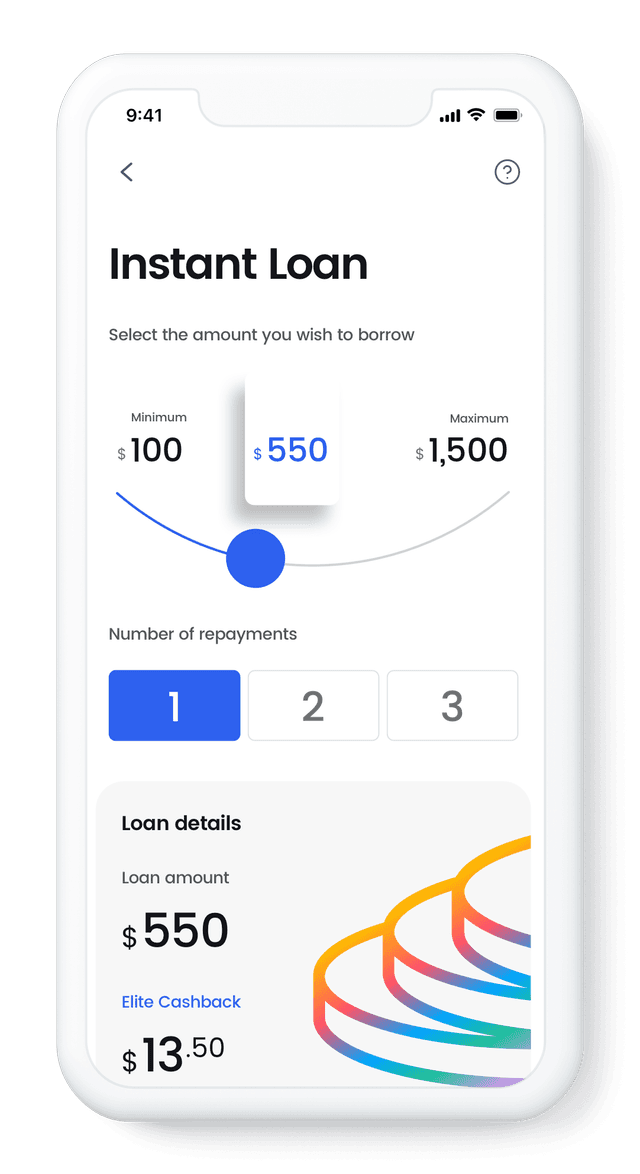
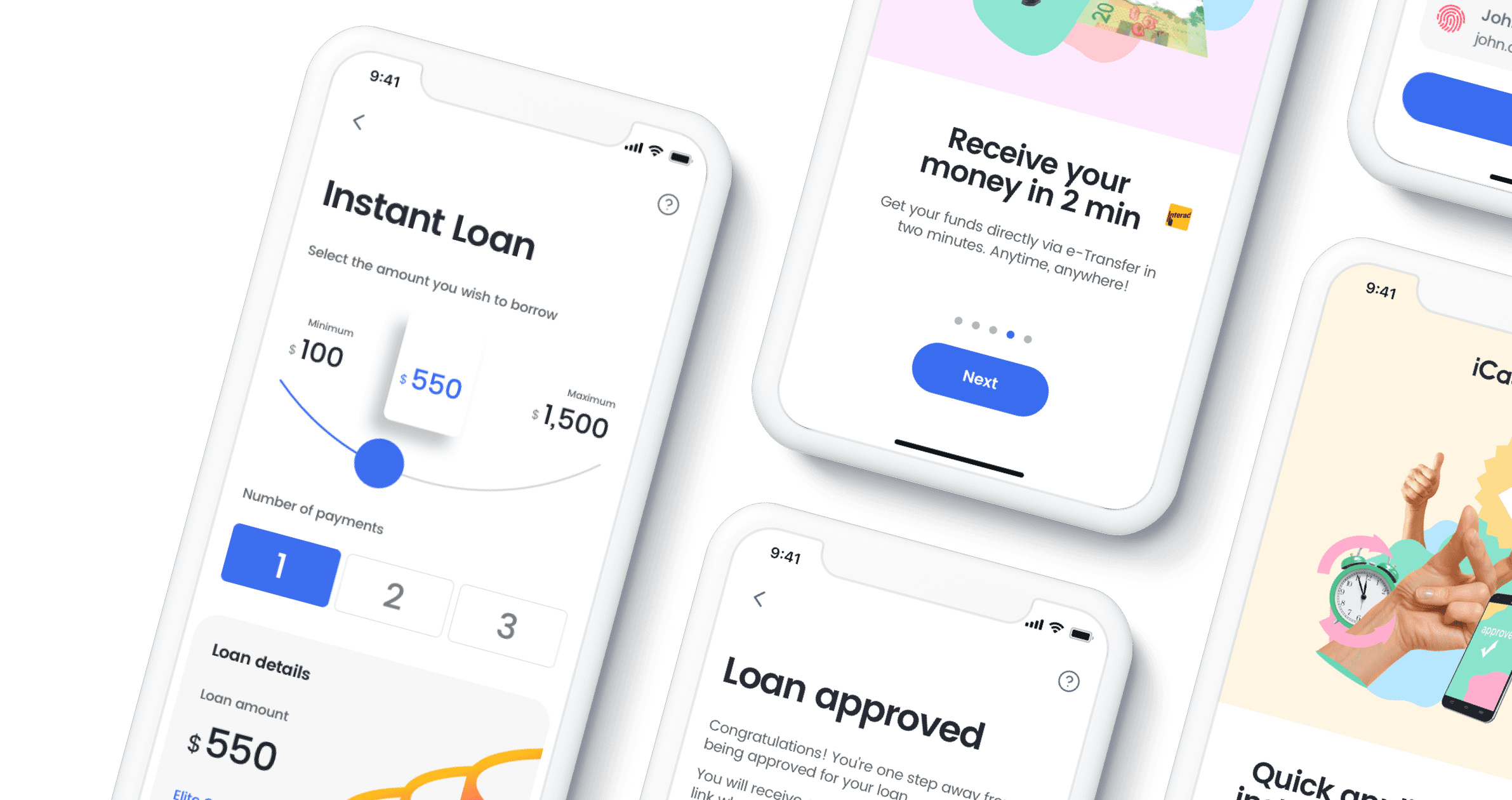
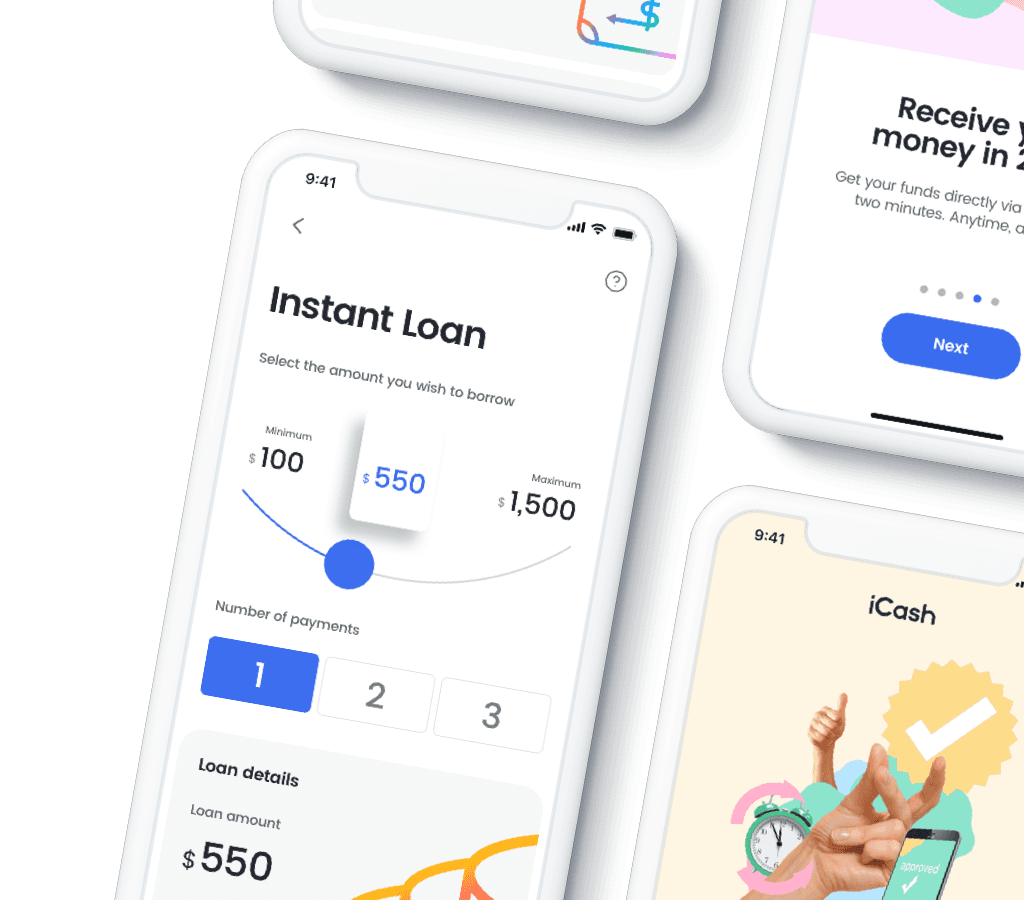
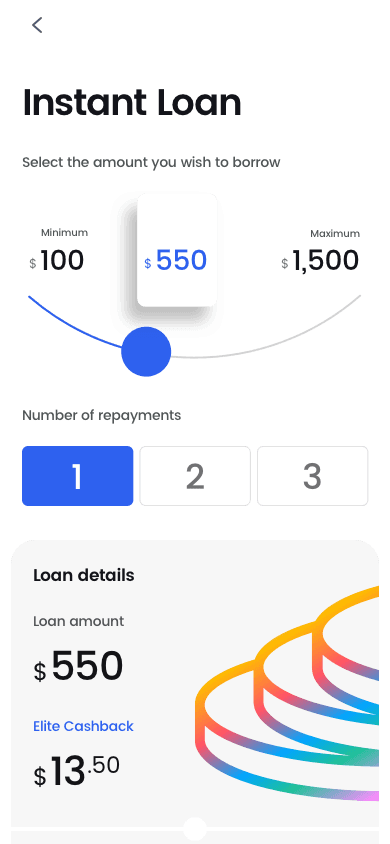
Fill out the online application form. Choose your desired loan amount, repayment plan option*, and provide the requested information. It takes most people about 10 minutes or less.
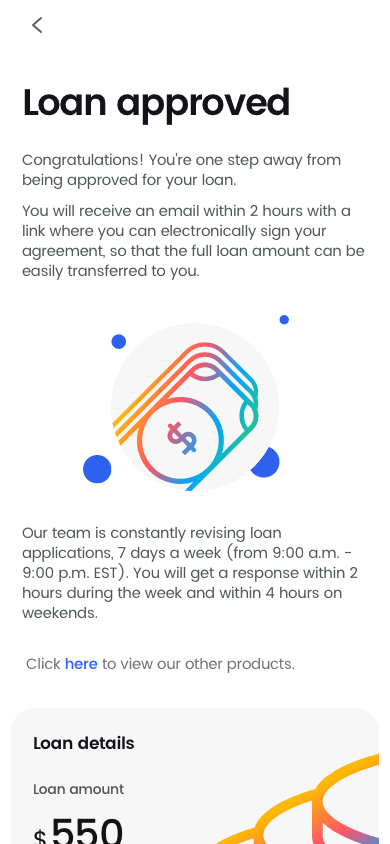
Our fully automated online application will provide you with an instant decision on your cash advance loan. Once approved, all you must do is electronically sign your loan agreement!
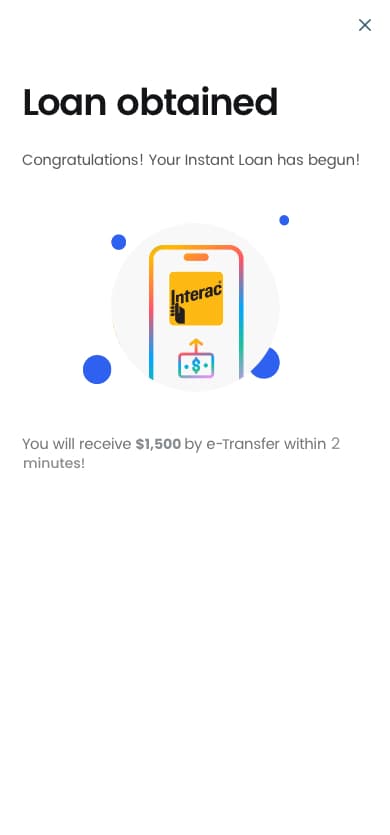
Once your loan agreement is signed, your funds will be sent via Interac e-Transfer in the next 2 minutes, fast and convenient Canadian loans.
Payday lenders start at $100 with the full fee shown upfront. There’s no subscription, no express transfer charge, and no tip prompt. Cash advance apps can cover small amounts, but the real cost often spreads across subscription fees and optional add-ons, including “tips.”
Payday loans can provide higher amounts with funding often sent by Interac e-Transfer shortly after approval. Cash advance apps cap at $250, and standard transfers take just 1–3 business days. An advance money loan from a licensed lender like iCash can have funds in your account the same day.
Check your cash advance limit and the interest rate before applying anywhere else. Card advances are instant, but interest starts the day you withdraw, with no grace period and no fixed repayment schedule.
If you need a small amount and can wait a day or two, a cash advance app may be sufficient. For larger amounts or same-day needs, other options may be more suitable.
Scenario D: You're trying to pay for a specific purchase
If the expense is a retail purchase rather than a bill, a retailer payment plan or buy now, pay later may cost less than any cash advance. If BNPL was declined or isn't offered, here's what to do when buy now, pay later isn't an option.
Cash advance apps aren’t licensed as lenders in most Canadian provinces. That means cost structures that would be capped or prohibited for a payday lender are legally permitted for an app.
Here’s what to look out for:
Subscription fees: A $9.99 monthly subscription on a $100 two-week advance works out to an annualized cost that exceeds what a regulated payday lender can legally charge. The advance looks free, but the subscription is the product. Learn how cash advance fees are structured across each type.
The tip prompt: Some apps ask you to leave a "tip" when withdrawing. The prompt often defaults to a pre-selected amount. On a $100 advance, a $5 tip is a 5% fee for a two-week loan.
The express transfer upsell: The standard transfer is free, but takes 1–3 business days. But what if you actually need the money today? Then, that free transfer doesn’t help you much. Express delivery fees of $2–$9 are common, added at checkout after you have already committed to the app.
Auto-debit with no flexibility: Most apps automatically pull the full repayment on your paycheque date, with no option to adjust. If your pay arrives late or your account balance is low, the debit can fail and trigger NSF fees from your bank.
A licensed lender is accountable to provincial regulators. An app operating outside that framework, however, is not. Know the difference before you decide.
Borrowing any short-term product works best when you have a plan. Learn more about borrowing responsibly.



Since 2016, we've helped over 1.6 millions Canadians get instant loans online.
Since 2016, we've helped over 1.6 millions Canadians get instant loans online.
Read more reviews.
Have more questions? Check out our full FAQ.

Thinking about a KOHO cash advance? Learn how Cover works, its fees and $250 limit, and how it compares to licensed payday loans up to $1,500 from iCash.... Read more

Learn how to get an instant $100 cash advance in Canada, including how it works, typical fees, eligibility, and what to consider before applying... Read more

Need a $500 loan in Canada? Borrow $500 and repay $570. Licensed lender, Interac e-Transfer funding, apply 24/7. See if you qualify in minutes.... Read more