


October might be one of the best months of the year. Between cozy sweater weather, pumpkin spice everything, and Thanksgiving dinner, there's a lot to look forward to. Then comes Halloween, when the night brings plenty of tricks and treats!
Speaking of tricks, there's a group of sneaky characters who also love this time of year: the money villains. They're the habits that slip into your budget looking harmless, then quietly help themselves to your cash.
The good news? They're easy to beat once you know who they are. Canadians are already getting clever about their money, too. A TD survey found people are turning to couponing (30%), "no spend" challenges (30%), and thrifting (27%) to stay on top of their finances.
So grab a flashlight (and maybe a handful of candy), because we're about to unmask seven of the most common money villains and show you exactly how to outsmart each one.
Unleash Your Inner Villain: Take the iCash "Which Villain Are You?" Quiz
Before we meet the villains in your budget, there's one more to discover: the one who lives inside you.
Our "Which Villain Are You?" The quiz is back for round six. Are you a brilliant mastermind with a plan for everything? A charming troublemaker? A misunderstood antihero with a heart of gold?
There's only one way to find out: take the iCash "Which Villain Are You?" personality quiz between October 6 and 13, and you could win a $150, $100, or $50 Homesense/Marshalls gift card. Just fill out the form with your name, email, and province to get your results. Then share the quiz with friends for extra chances to win (every good villain needs a few sidekicks).
The giveaway closes October 13, so don't wait too long!


Meet the Money Villains
Here's the thing about money villains: they're masters of disguise. They show up as a free trial, a flash sale, or a well-deserved treat, so they're easy to miss. But every villain has a weakness, and once you spot them, beating them is simple.
Read on to see which ones sound familiar. No judgment here, since most of us have at least one or two creeping around.
Villain 1: The Subscription Vampire
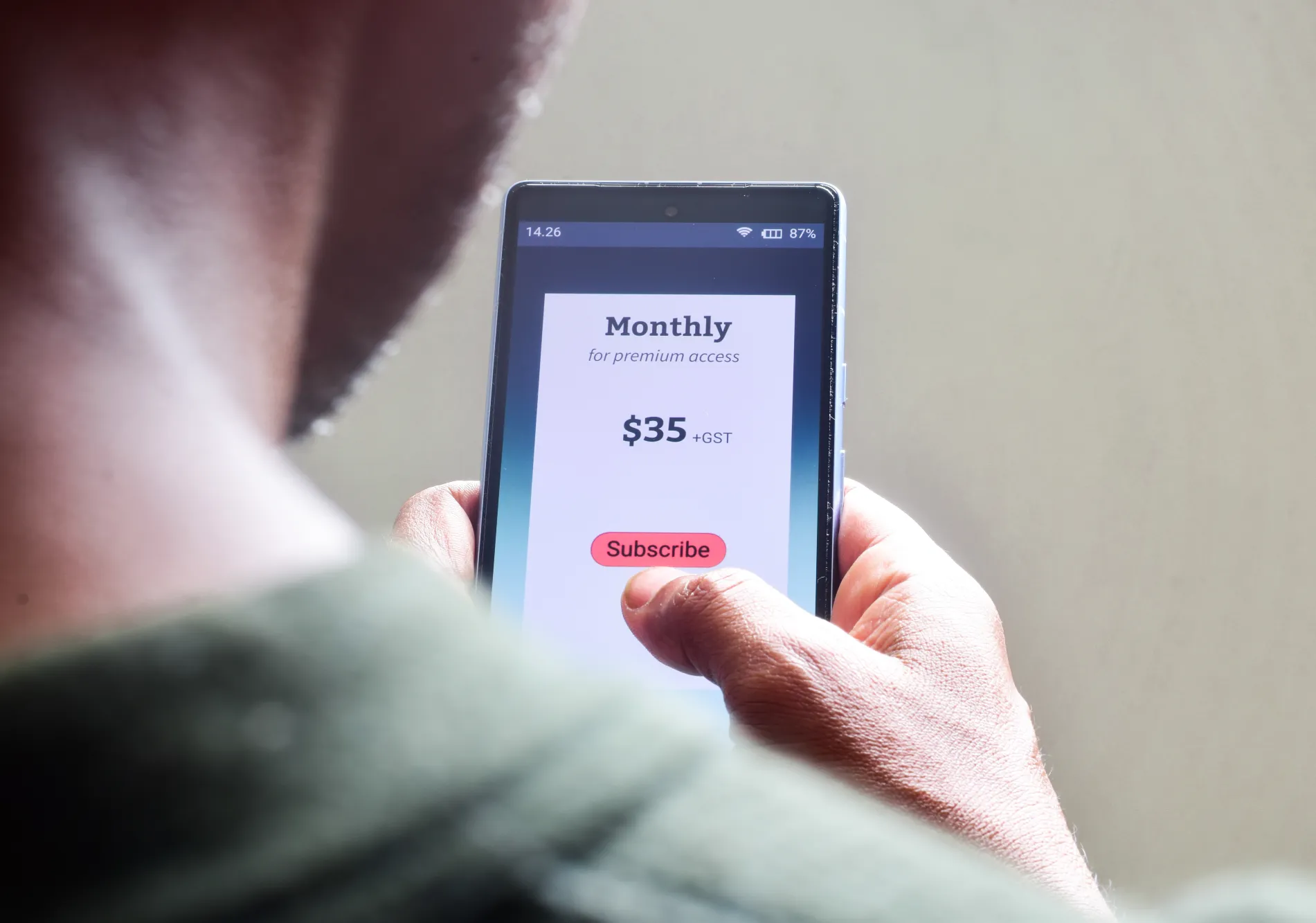
The Subscription Vampire is any recurring charge that renews automatically, whether you're still using the service or not. Because these charges are small and happen quietly in the background, they're easy to forget about, and they can add up to hundreds of dollars a year before you even notice.
Its evil power
Taking small bites out of your budget every month, for as long as you let it. Streaming services, fitness apps, cloud storage, meal kits, and that "free" trial you completely forgot about all count.
How to spot it
You see charges you don't recognize on your bank statement, or you're paying for three streaming services but only watch one.
How to defeat it
Look through your last two months of bank and credit card statements and list every recurring charge. Cancel anything you haven't used in the past 30 days. For streaming, try rotating instead of stacking: subscribe to one service, watch everything on your list, cancel, and move on to the next.

Villain 2: The Impulse Goblin
The Impulse Goblin is the urge to buy something on the spot, without planning for it or really needing it. Online shopping, one-click checkout, and endless social media ads make it easier than ever to give in, and those small, spur-of-the-moment purchases can quietly take a big bite out of your monthly budget.
Its evil power
Showing up at 11 p.m. while you're scrolling in bed, whispering "it's only $12" until you've spent $12 more times than you'd like to admit.
How to spot it
Surprise packages keep landing on your doorstep, you have a pile of "just because" purchases you forgot you ordered, and checking out feels a little too easy.
How to defeat it
Try the 48-hour rule for anything non-essential. Add it to your cart and walk away. If you still want it two days later, go for it. You can also remove saved card details from shopping apps (a little extra effort goes a long way) and unsubscribe from promotional emails, since those are basically personal invitations for the goblin.
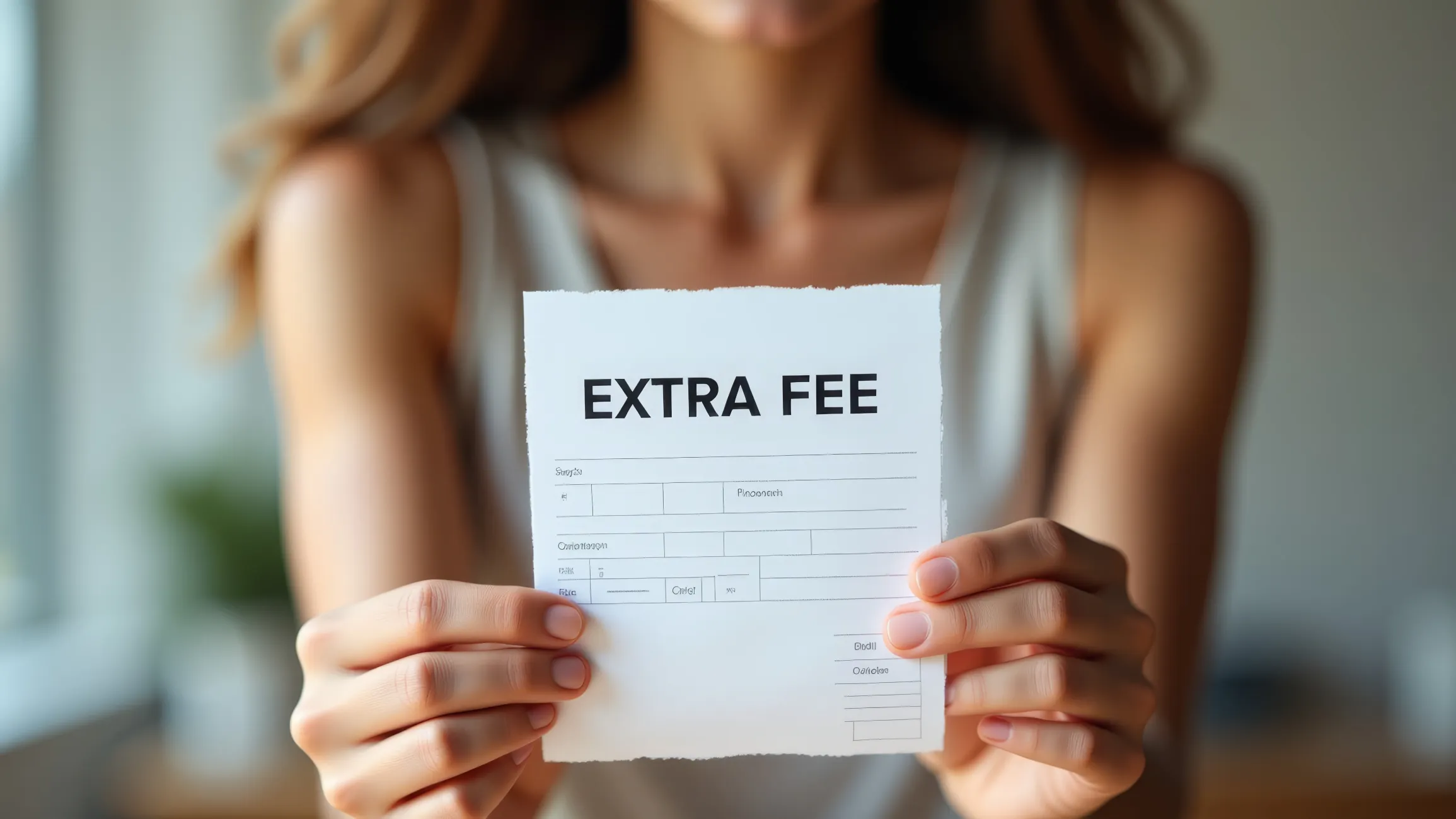
Villain 3: The Phantom Fee
The Phantom Fee is any small charge from your bank or a service provider that slips by without you noticing, including ATM, account, overdraft, NSF, and late payment fees. On their own, these fees might only be a few dollars each, but they tend to pile up month after month, and many people don't realize how much they're paying until they take a closer look at their statements.
Its evil power
Invisibility. These fees take their cut quietly, and you usually don't spot them until after the money's gone.
How to spot it
Your balance is a little lower than your math says it should be, and you can't quite figure out why.
How to defeat it
Start by adding up every fee on your last three months of statements, paying special attention to overdraft fees and NSF fees. Thankfully, NSF fees at federally regulated banks are now capped at $10, down from the $45 to $48 banks typically charged before March 12, 2026.
Even at $10, though, nobody wants to pay for a fee they could have avoided. Check whether your bank offers a lower-fee or no-fee account, stick to your own bank's ATMs, and set up low-balance alerts so an overdraft never catches you by surprise.

Villain 4: The Lifestyle Creep
The Lifestyle Creep is when your spending quietly rises along with your income, so you never feel like you have more money, even after a raise. It usually starts small, with an upgraded phone plan or a few extra takeout nights, but over time those changes become your new normal and leave little room for savings.
Its evil power
Changing shape every time your paycheque does. You get a raise, and suddenly your takeout is fancier, your favourite brands are pricier, and somehow you're saving the same amount as before (or less).
How to spot it
You earn more than you did a couple of years ago, but your savings haven’t grown to match.
How to defeat it
Before your next raise or bonus arrives, decide what percentage will go straight to savings or paying down debt. Then automate it so the money moves before the Lifestyle Creep even knows it's there. Enjoy some of the extra (you earned it!), just not all of it. A small upgrade here and there is fine, as long as your savings get an upgrade too.

Villain 5: The Markdown Mummy
The Markdown Mummy is the pull of a "deal." It's that urge to buy something because it's discounted, not because you actually need it. Retailers know that words like "sale," "clearance," and "today only" create a sense of urgency, and it's easy to end up spending more overall just because each item felt like a bargain.
Its evil power
Wrapping you up in "70% OFF!" and "LIMITED TIME ONLY!" signs until you're checking out with things that were never on your list. It gets especially active from October through December, when the holiday sales start.
How to spot it
Your closet has items with the tags still on, or you've said "but I saved so much!" about something you've never used.
How to defeat it
Shop with a list and stick to it. Before you buy anything on sale, ask yourself: "Would I buy this at full price?" If the answer is no, it's not really a deal. Comparing prices across a few stores (or checking a product's price history online) also helps you tell a real bargain from a clever marketing trick.
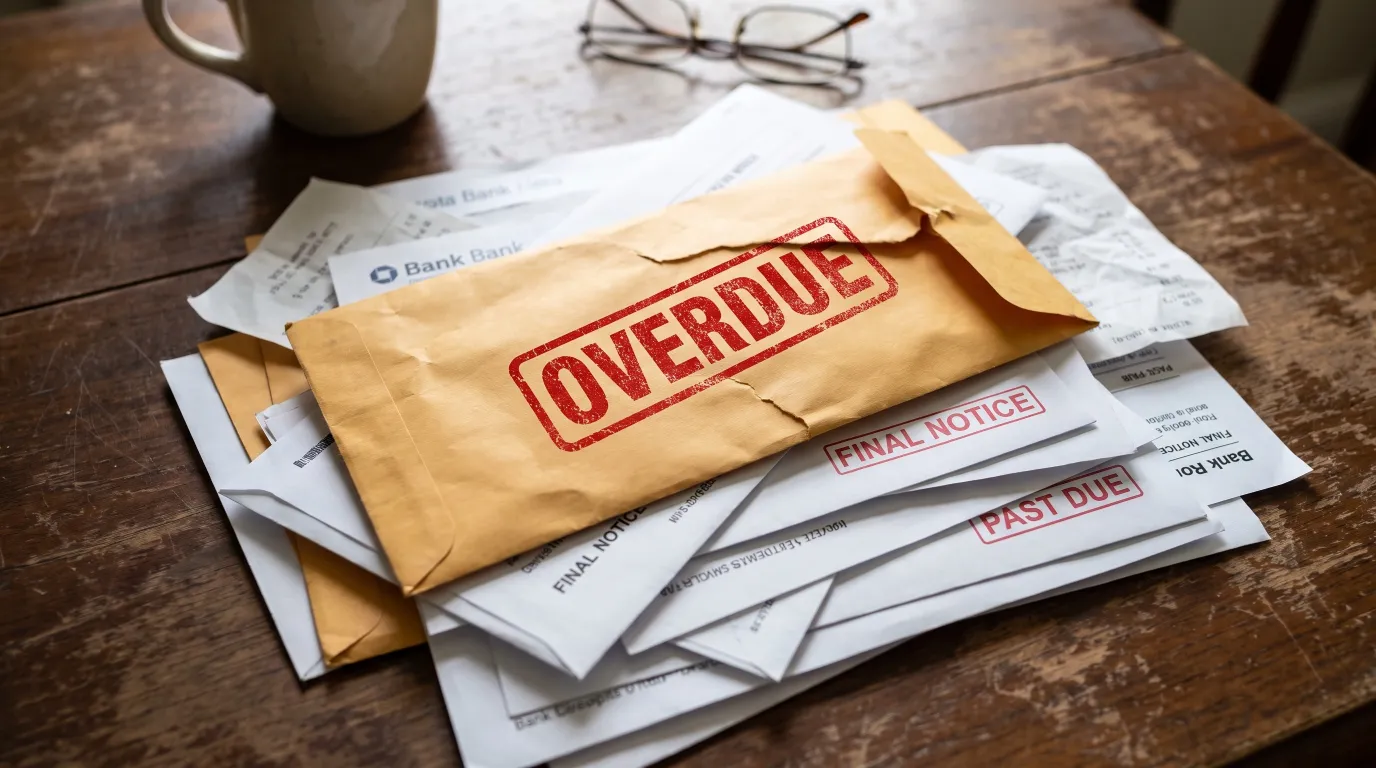
Villain 6: The Procrastination Phantom
The Procrastination Phantom is the habit of putting off money tasks such as paying bills, making a budget, or checking your credit, until they turn into bigger problems. A missed due date can lead to extra charges or even a hit to your credit score. The longer these tasks are pushed aside, the more stressful they become to deal with.
Its evil power
Whispering "you can deal with it later" until later shows up with late fees attached.
How to spot it
There's unopened mail you've been avoiding, you're not quite sure when your next bill is due, or you haven't checked your credit score in, well, ever.
How to defeat it
Set up autopay or calendar reminders for every bill so nothing slips through the cracks. Book a 15-minute "money check-in" once a month and treat it like any other appointment.
Make checking your credit a habit too. With iCash Credit Health, you can check your credit score for free through a secure, private service powered by Equifax. It takes less time than picking out a Halloween costume, and knowing your score helps you catch problems early and stay one step ahead of the Phantom.

Villain 7: The Fraudenstein
The Fraudenstein is a scammer who stitches together a convincing disguise, posing as someone you trust to get their hands on your money or personal information. It might pretend to be your bank, the CRA, a delivery company, or a loved one.
Its evil power
Looking exactly like the real thing. It can show up as a text about a delayed package, a call from "your bank" about suspicious activity, or a Marketplace deal that seems too good to pass up. It's especially busy in the fall, when online orders and holiday shopping start to pick up.
How to spot it
The message feels urgent, asks you to keep it secret, or requests payment in unusual methods such as gift cards, crypto, or a wire transfer. If it wants a password or a one-time code, that's a big red flag.
How to defeat it
Slow down. Fraudenstein relies on panic, so taking a minute to think is your best weapon. Don't click links in unexpected messages. Instead, contact the company directly using the phone number or website you already know.
If you suspect you've been targeted, contact your bank right away and report it to the Canadian Anti-Fraud Centre. For a closer look at the tricks scammers are using lately, check out our guide to the most common scams happening right now and how to avoid them. Once you know what to look for, even the best disguise won't fool you.
Final Thoughts: Every Villain Has a Weakness
Here's the fun part: money villains are more mischievous than menacing, and most are just sneaky little habits that add up over time. Pick the one that felt a little too familiar, show it who's boss this month, and keep one eye on the Fraudenstein as the holiday rush creeps closer. Then, embrace your dark side! Take our "Which Villain Are You?" quiz before October 13 for your chance to win up to $150. Evil laugh optional.