

Thinking about a short-term loan? It’s natural to wonder whether it will show up on your record, and how long a missed payment could follow you.
Banks and retailers share your payment activity with Equifax and TransUnion, Canada’s two main bureaus (Equifax & TransUnion). This helps other companies judge how reliably you pay your bills. So where does short-term borrowing fit in? Here’s what you need to know.
What’s In Your Report?
Your report is a record of how you’ve handled borrowing over time. In Canada, these files are kept by Equifax and TransUnion. Yours includes your personal details, your accounts (cards, mortgages, car financing and more), your payment history, any debts sent to collections, and a list of who has looked at your file.
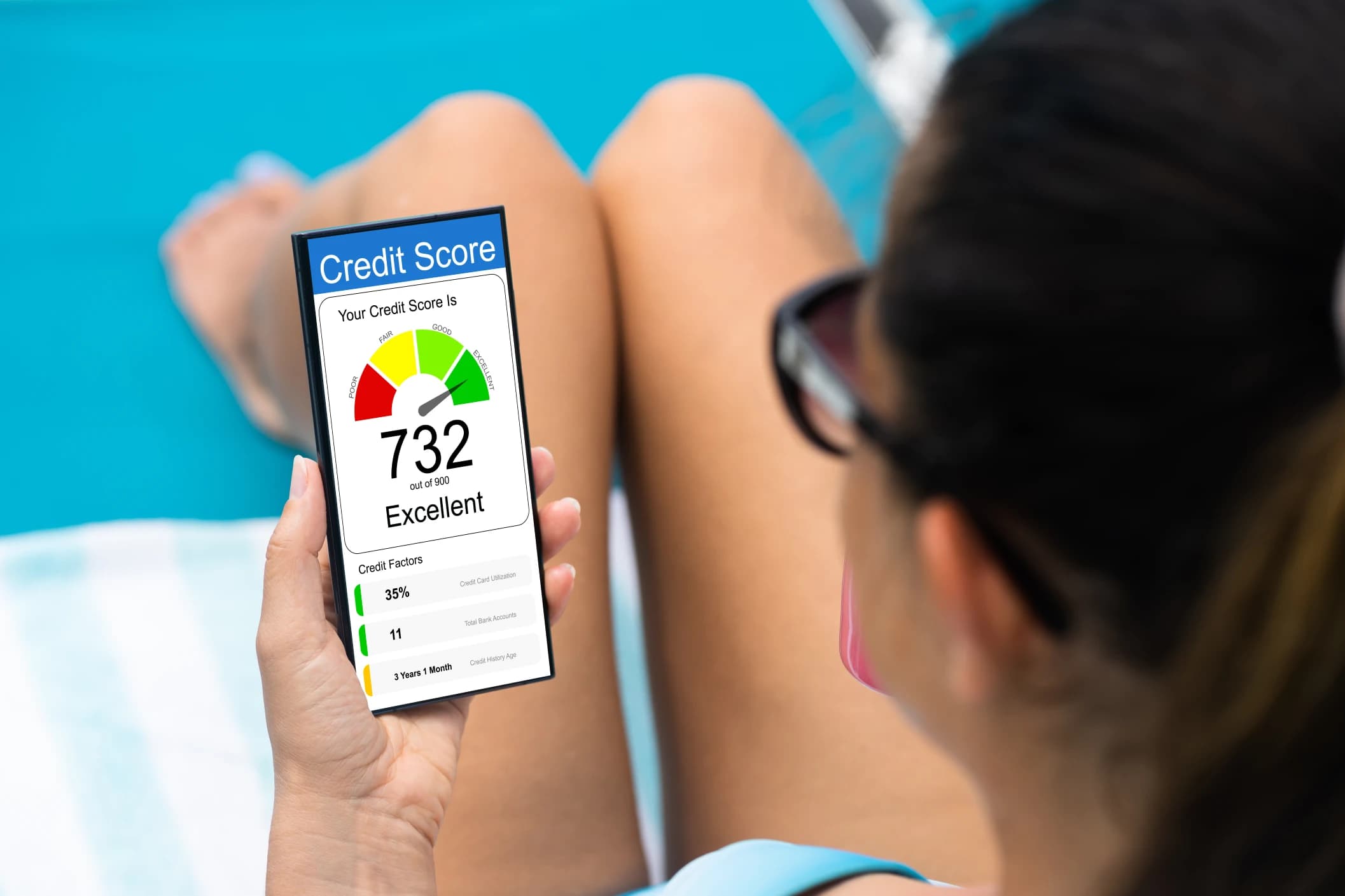
Your score is a three-digit number from 300 to 900, based on what’s in your file. The higher it is, the more reliable you look to anyone deciding whether to approve you.
Several factors affect it:
Payment history: Whether you pay your bills on time. This is one of the biggest factors.
Utilization: How much of your available limit you’re using. Using less is better.
Length of history: How long your accounts have been open.
Account mix: The types of accounts you have, such as cards, a mortgage or car financing.
Recent applications: How often you’ve applied for new borrowing lately.
Are Payday Loans Reported to Credit Bureaus?
Since most cards and mortgages appear on your file, it’s normal to wonder whether short-term borrowing will too. The answer depends on the company. Short-term providers in Canada aren’t required to share information with the bureaus, and many don’t. iCash does: as of August 2026, we share our customers’ history with Equifax Canada, so your account and payments will appear on your Equifax file.
Many providers also review your file to understand your current financial situation and help them decide on your application. They should tell you about this check when you apply.
Because we share your full payment history, late or missed payments show up as well, and they can pull your score down. If a balance isn’t repaid, it may be sent to a collection agency, which can pass the debt on to the bureaus. Anyone you apply to in the future may take this into account.
How Long Does Information Stay on File?
Setbacks don’t disappear right away. In Canada, most negative information, such as late payments and accounts sent to collections, generally stays on file for about six years. The exact timeline depends on the type of information, the bureau, and your province.
Positive history, like a record of on-time payments, can also stay on your file for years and help balance out older problems. The Financial Consumer Agency of Canada explains how long each type of information stays on file, from late payments to bankruptcies.
If you spot something that’s wrong or should have been removed by now, you can dispute it directly with Equifax or TransUnion for free.
Borrowing with a Low Score or No History
Getting approved with a rough or thin history is often easier with a short-term provider than at a bank. These companies don’t rely as heavily on scores when deciding who qualifies.
Even if a bank has turned you down, you may still be approved by a private lending company. After all, a single number shouldn’t decide whether you can get help when you need it most.
Instead of focusing on your score, these providers look at the bigger picture, including your income and financial stability. What matters most is whether you can comfortably repay on time, so past struggles don’t automatically rule you out.
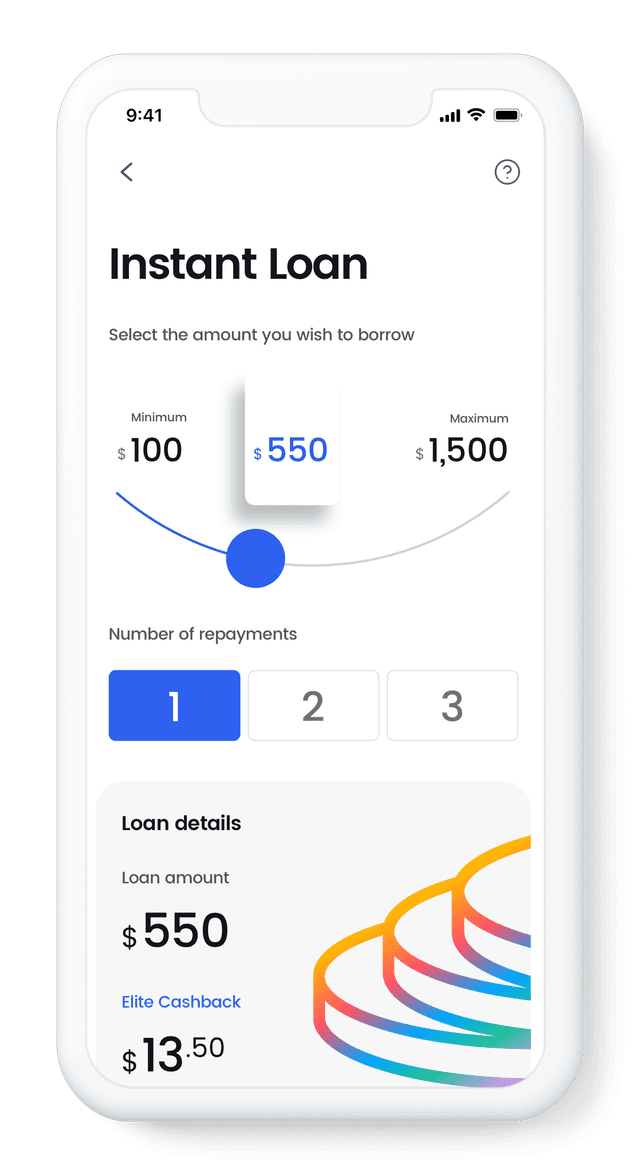
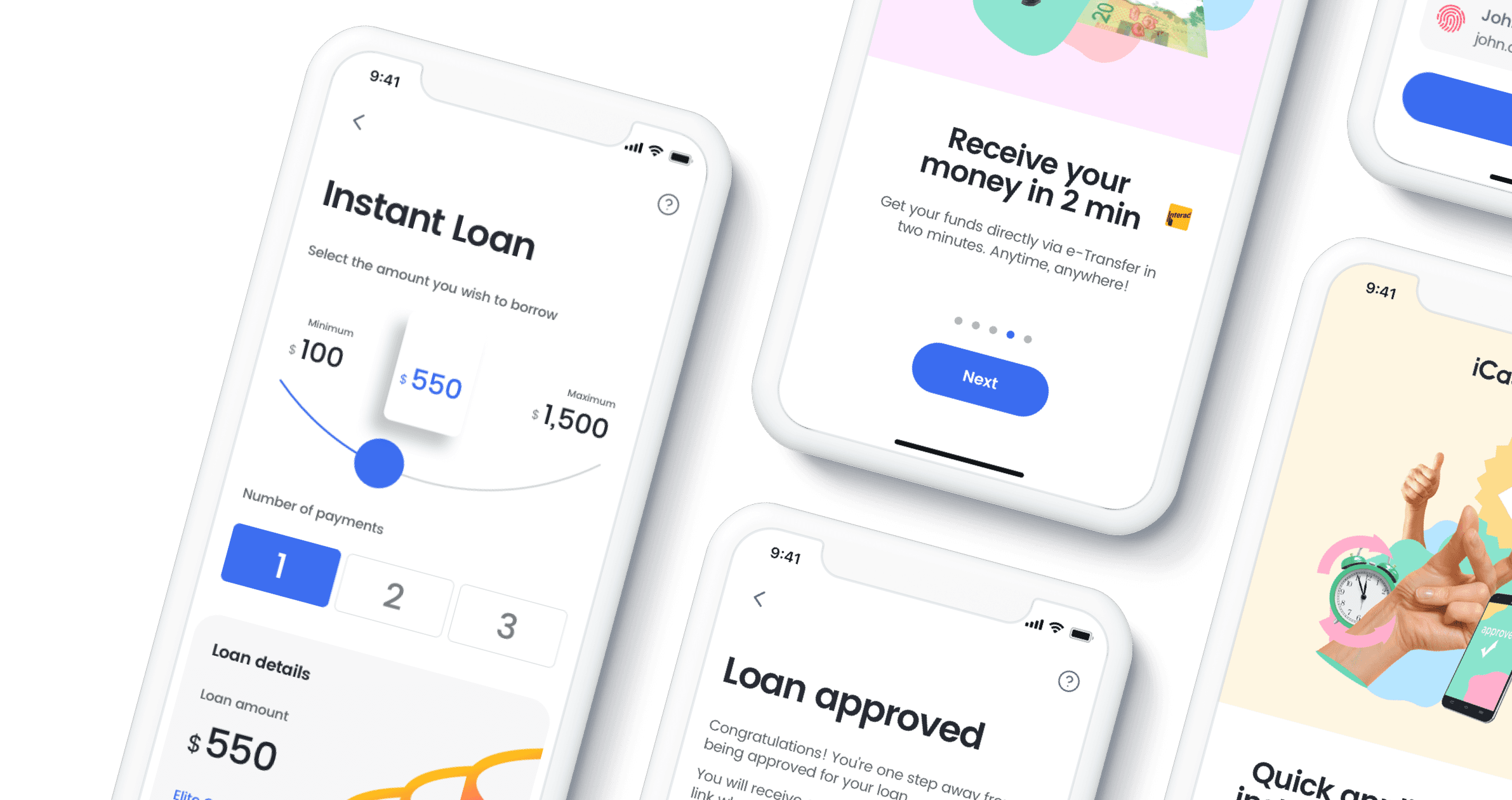
At iCash, we do run a check to verify your identity and application details, but your score is never the only thing we look at. You can apply for a bad credit loan of up to $1,500, and because we share your history with Equifax, your on-time payments are reflected on your file.
Banks vs. iCash: Where to Apply If Your History Isn’t Perfect
If your score has taken a hit, where you apply can make a big difference. Here’s how the two compare.
Banks | iCash | |
Minimum score | Usually good to excellent | No minimum |
What they focus on | Mainly your score and history | Your income and ability to repay |
Application process | Often in person, with paperwork | 100% online |
Approval time | Can take several days | Decision almost immediately |
How you get your money | Usually within a few business days | By Interac e-Transfer®, often on the same day |
Amounts | Larger amounts available | $100 to $1,500 |
Repayment term | Months or years | Often by your next payday, up to 62 days. |
Cost of borrowing | Lower interest rates | $14 per $100 borrowed |
Shared with bureaus? | Yes | Yes, with Equifax Canada |
Know Where You Stand: Check Your Credit Score for Free
Before you borrow, it helps to know where you stand. With iCash Credit Health, powered by Equifax, you can check your score for free as often as you like, right from your account or the app. Checking your own score won’t affect it, so you can track your progress and spot errors early.*
CTA BUTTON: See Your Credit Score for Free
Borrow responsibly → Short-term borrowing is best for short-term needs and costs more than other options, so take only what you can comfortably repay by your due date. If you’re often borrowing to cover everyday expenses, a non-profit counsellor can help, and you can learn more about our commitment to responsible lending.
Alternatives to Consider Before You Borrow
Short-term borrowing isn’t always the best fit. Depending on your situation, one of these may cost less:
Ask for more time: Many utilities, phone providers and landlords will set up a payment arrangement if you call before the bill is due.
Talk to your bank: Some banks and credit unions offer small, lower-cost options or overdraft protection.
Ask about a pay advance: Some employers will advance part of your next paycheque.
Get free advice: A non-profit counselling agency can help you build a budget or work out a plan with the people you owe.
If none of these work and you need money quickly, a short-term option can help bridge the gap, as long as you have a plan to repay it.
Tips for Repaying on Time
Repaying on time is the best way to keep your record in good shape. Here are a few easy ways to stay on track.
Borrow only what you need: A smaller amount is easier to repay in full by your due date, so you won’t be left short until your next paycheque.
Know your due date: Payments are usually withdrawn automatically by pre-authorized debit, so make sure the money is in your account before the payment date. That way you avoid NSF fees and a missed payment on your file.
Reach out early if something comes up: Life happens. If you think you might have trouble making a payment, contact us before your due date so we can go over your options together.
Check your file: You can request a free copy from Equifax to confirm that your on-time payments are being recorded.
Small steps like these can help you avoid fees, missed payments, and unnecessary stress.
Making Smart Choices When You Borrow
When an unexpected expense comes up, it’s good to know you have options, even if your history isn’t perfect. Before you apply, take a moment to learn how a company works, including whether it checks your file and shares information with the bureaus.
Borrow only what you need, plan repayment around your next paycheque, and don’t hesitate to reach out if something comes up. With a little planning, you can get through tight spots and feel confident about your finances.
We’re here when you need us. If borrowing is right for you, you can apply online whenever it suits you.
Frequently Asked Questions
Do you need good credit for a payday loan?
No. Short-term providers have more flexible requirements than banks and focus mainly on your income and ability to repay. Many, including iCash, still run a check to verify your identity and protect you from fraud, and they should tell you before they do. Our loans have no minimum score.
Do payday loans show up on credit reports?
It depends on the company. With many providers, the balance only appears if it goes to collections. Since August 2026, iCash accounts appear on your Equifax file, along with your full payment history, including any late or missed payments.
Does repaying a payday loan help your credit?
It can, if the company shares information with the bureaus. Many don’t, so repaying won’t show on your file. Because we work with Equifax, your on-time payments are recorded as positive history.