

If you’re looking for no credit check personal loans in Canada, a payday loan may look similar to a personal loan with easier qualification. But the two products work differently, especially when it comes to credit checks, loan size, and cost.
Most personal loan lenders run a credit check when you apply. A payday loan may not rely on a conventional credit check in the same way. With iCash, we run a credit check on your first application only; subsequent applications don’t require another check. That doesn’t mean zero verification: income, banking information and other eligibility requirements still apply.
The practical question isn’t just which loan sounds easier to get. It’s how much you need, how quickly you need it, how long you need to repay it and whether the payment fits your budget.
Key Takeaways

Personal loans and payday loans handle credit checks differently — most personal loan lenders run a credit check, while iCash conducts a one-time credit check on the first application only.
“No credit check” doesn’t mean zero verification — both products can require information about your income, finances and ability to repay.
Loan size and timing are different — personal loans can range from $100 to $50,000 with terms of 6 to 60 months, while payday loans can be up to $1,500 and up to 62 days.
The right option depends on the expense — a larger planned expense and an immediate cash gap create very different borrowing needs.
What “No Credit Check” Means for a Personal Loan
A personal loan is generally a fixed amount that you repay through regular instalments over an agreed term.
In Canada, most personal loans range from $100 to $50,000, with terms of 6 to 60 months, according to the Financial Consumer Agency of Canada (FCAC). Banks and credit unions commonly offer personal loans, which you may use for expenses such as renovations, vehicles, purchases, or debt consolidation.
The credit check is an important part of how many personal loans are assessed. Your credit report, credit score, and existing debts affect the loan options available to you, including the interest rate and type of loan you qualify for.
So if you’re searching for personal loans for poor credit that don’t involve a credit check, don’t assume that every lender using those words skips your credit history entirely.
Some lenders may use different eligibility criteria or offer products designed for borrowers with limited or damaged credit. But find out exactly what “no credit check” means before applying.
For example, does the lender:
check your credit report?
perform a hard or soft inquiry?
review your income and existing debts?
require a minimum credit score?
use other information to assess your application?
Those details tell you much more than the phrase “no credit check” on an advertisement.
What “No Credit Check” Means for a Payday Loan
A payday loan is a short-term loan, generally for $1,500 or less, with a maximum term of 62 days under the federal definition used for regulated payday lending. Instead of charging interest like a conventional personal loan, payday lenders generally charge a flat borrowing fee. Provincial rules determine the maximum cost and other requirements.
FCAC notes that payday loans may be available without a credit check. However, that doesn’t mean the lender has no way of assessing an application. Payday lenders generally require information such as regular income, a bank account and a permanent address.
iCash uses a specific credit-check model: the first application includes a credit check, while subsequent applications do not require another credit check.
This distinction matters for a loan option with no credit check because “no credit check” can sound like “no financial verification.” That’s not what it means here.
A lender can look at information other than your credit score when determining whether you meet its requirements.
Personal Loans vs. Payday Loans — Side-by-Side
Personal loan | Payday loan | |
Typical amount | $100–$50,000 | Up to $1,500 |
Typical length | 6–60 months | Up to 62 days |
Credit check depth | Most lenders run one | May not require one; iCash checks the first application only |
Funding speed | Varies by lender and application | Instant decision and, if approved, funding by Interac e-Transfer® |
Cost structure | Usually interest rate plus applicable fees | Flat fee per $100 borrowed |
Repayment | Regular instalments over the term | Short-term repayment tied to the loan agreement and income schedule |
A personal loan gives you more time to repay and can accommodate a much larger expense. A payday loan is designed for smaller, short-term borrowing needs.
Legal and Regulatory Considerations in Canada
Payday lending is regulated at the provincial and territorial level. In provinces with payday lending regimes, lenders must be licensed and comply with rules governing the maximum cost of borrowing, loan agreements, repayment, and borrower protections.
For example, regulated payday loans are subject to a maximum cost of $14 per $100 borrowed in the provinces covered by the current federal payday lending framework. Provincial rules can also provide cancellation or cooling-off rights. Ontario gives payday borrowers two business days to cancel a payday loan without a penalty.
Personal loans are governed differently depending on who provides the loan. Banks and other federally regulated financial institutions have federal requirements around disclosure and consumer protection, while some credit unions and other lenders fall under provincial or territorial rules.
That makes checking the lender important regardless of which product you’re considering.
If you’re comparing an online loan, look for the lender’s legal business name, licensing information where applicable, borrowing costs and repayment terms before you provide banking information or sign an agreement.
What Each Option Actually Costs
The biggest cost difference is how the borrowing charge is calculated.
A personal loan generally uses an interest rate or APR, with the total cost depending on the amount borrowed, rate, fees and repayment. The interest rate you pay can range from around prime which currently sits at 4.45% to 46.96%. A longer term can reduce each individual payment while increasing the total amount paid over the life of the loan.
FCAC’s personal-loan examples show how the same $2,000 loan can have different total costs depending on the interest rate and repayment period.
A payday loan uses a different structure. iCash charges $14 per $100 borrowed.
For example: $500 borrowed + $70 borrowing cost = $570 total repayment.
In Ontario, a $500 iCash payday loan repaid over 14 days has an APR of 365%. A 62-day loan has an APR of 82.42%. The APR changes with the repayment period because APR expresses the borrowing cost on an annualized basis; it doesn’t mean the borrower pays 365% on top of the principal for a 14-day loan.
The actual cost you pay is the amount disclosed in your loan agreement.
What You Need to Understand Before Borrowing
Both products can create problems if the repayment doesn’t fit your budget. The risks are simply different.
With a personal loan, the longer repayment period can make a larger expense easier to spread across monthly payments. But borrowing more than you need can leave you with a payment obligation for months or years. Applying with multiple lenders can also result in multiple credit inquiries, depending on how those lenders assess applications.
With a payday loan, the shorter repayment period matters. The $14-per-$100 fee is fixed based on the amount borrowed, but repaying the loan within a relatively short period can put pressure on your next paycheque.
A payday loan that solves a one-time timing problem is very different from repeatedly borrowing because your regular income doesn’t cover your expenses.
What Happens If You Can't Repay on Time?
Funding in any form comes with risks. The biggest is taking on a payment you can't comfortably make when it's due.
If you miss a payment, you may face additional costs depending on the type of loan and its terms. These could include late fees, overdraft or non-sufficient-funds charges, or additional interest on loans that charge interest. With interest-bearing debt, your repayment amount continues to increase based on your interest rate.
The bigger concern is what happens to your immediate everyday budget. If a loan payment leaves you short for rent, groceries, utilities or transportation, you may need to borrow again or rely on overdraft or other credit to cover the gap. That's when a short-term solution can turn into a longer-term financial problem.
Before borrowing either way, ask:
What will the repayment leave me with after rent, food, utilities, transportation and other essential expenses are covered?
If the answer is “not enough,” consider whether you can reduce the amount you borrow, delay the expense, or explore another option before taking on the payment.
Which One Fits Your Situation?
Think about the size and timing of the expense first.
A personal loan may make more sense when you need a larger amount for a planned expense, can meet the lender’s requirements and have time to complete the application and approval process. Its longer repayment period can spread the cost across regular payments.
A payday loan is designed for a smaller, short-term cash gap when you have a clear way to repay the balance within the loan term.
For example, needing several thousand dollars for a planned expense is a different borrowing situation from needing $300 to cover an unexpected bill before your next paycheque.
Neither product becomes a better fit simply because one has easier eligibility requirements.
Other Options to Consider Before You Borrow
It's always wise to look for the lowest-cost option. Depending on your situation, consumers may have access to:
Savings or family: Often 0% borrowing cost.
Line of credit: Typically lower rates than other unsecured options.
Personal loan: Rates typically depend on your financial profile.
Overdraft or cash advance: Convenient access to money, but costs can be high.
Credit card: A cash advance can have a higher percentage rate.
Balance transfer: May reduce credit-card costs.
Mortgage: Generally lower-cost secured borrowing, but not suited to short-term needs.
If you’re already borrowing to make payments on another loan, or you regularly run short before payday, consider using financial services available to you and speaking with a credit counsellor before taking on additional debt.
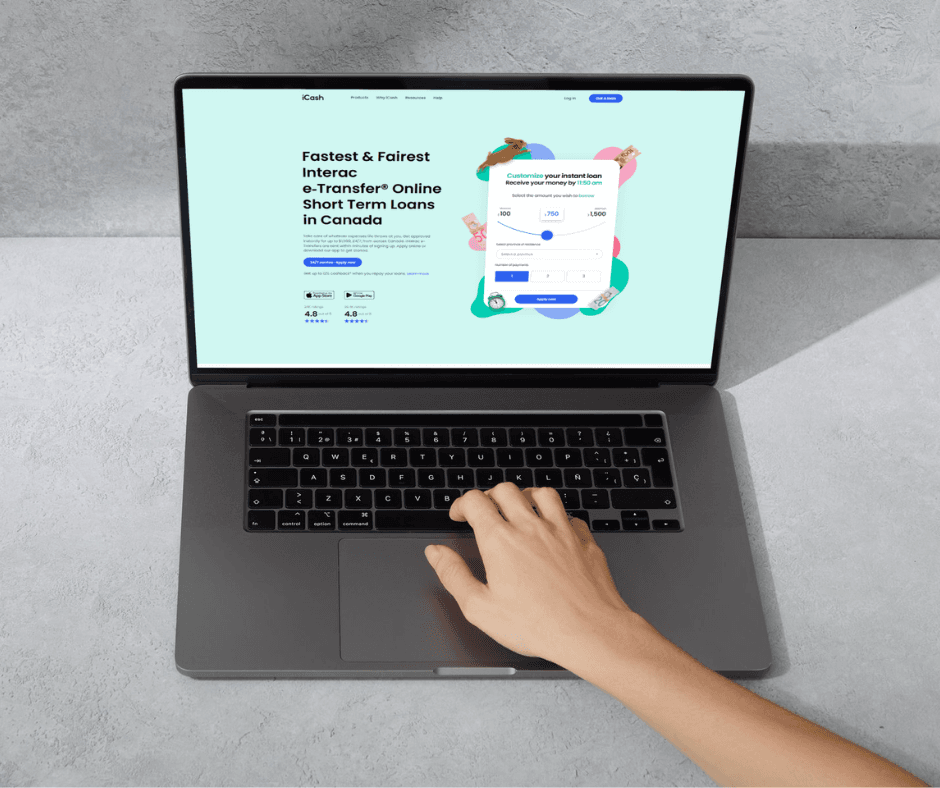
How to Apply for an iCash Payday Loan — 3 Steps
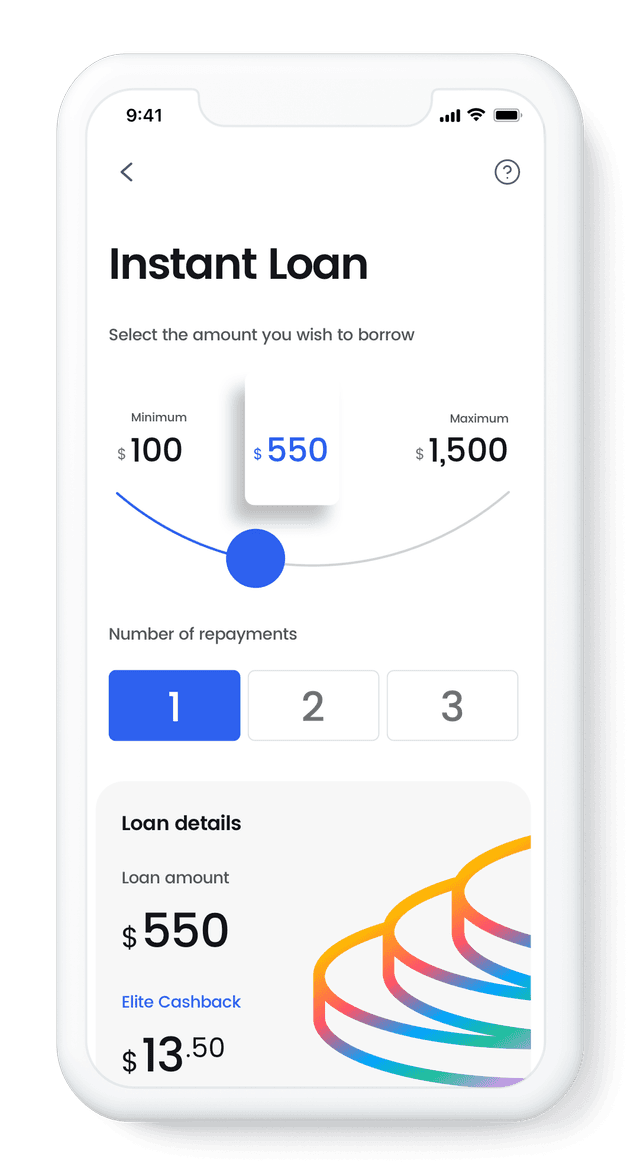
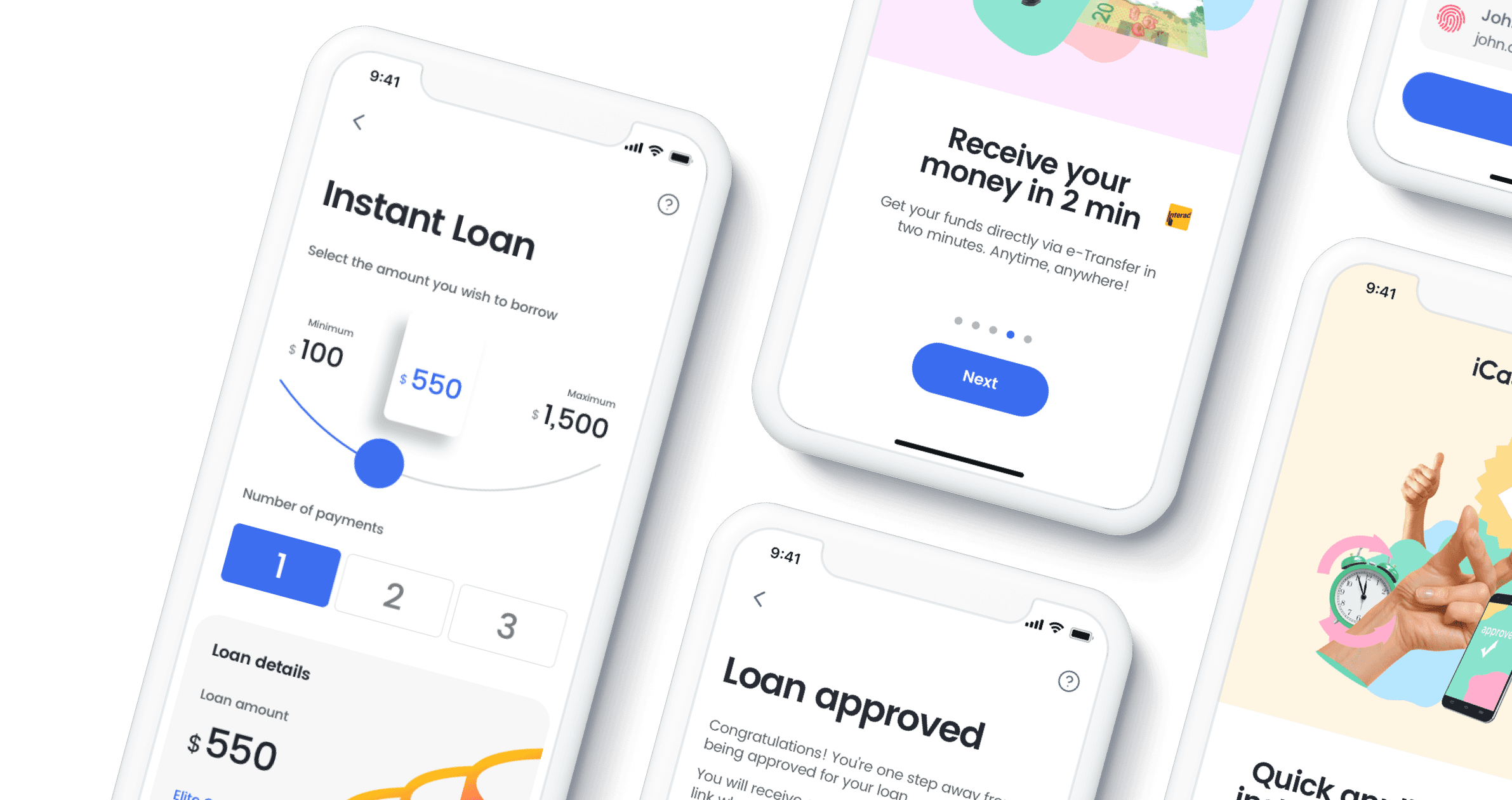
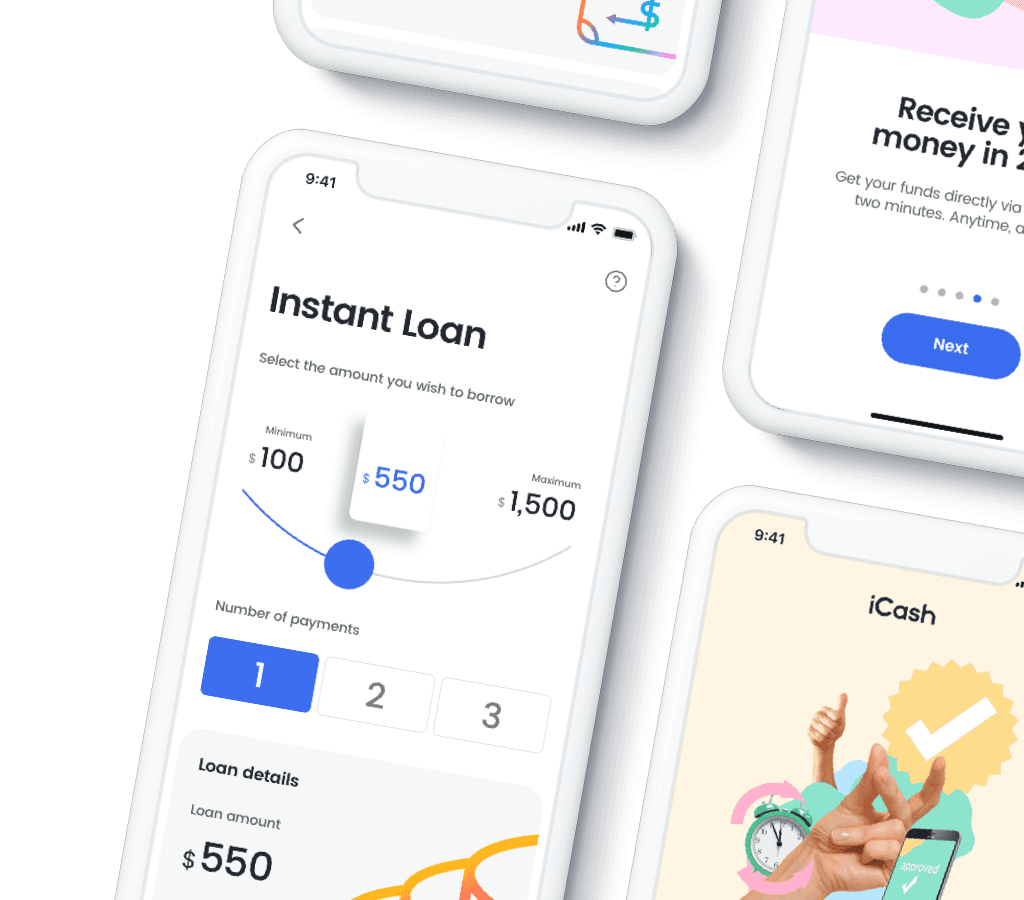
If a payday loan fits your situation, you can complete iCash’s application online.
1. Apply online
Complete the online application and provide the requested information about your income and financial situation.
2. Get an instant decision
Once your information has been reviewed, you’ll receive an instant decision. Approval isn’t guaranteed, and conditions apply.
3. Receive your funds
If you’re approved and accept the loan agreement, we can send your funds by Interac e-Transfer.
iCash is a licensed online lender operating in the provinces where it is licensed. Before accepting any loan, review the borrowing cost, payment schedule and total repayment amount to make sure they work for your budget.