

Payday lenders and cash advance apps differ in one key way: who provides the money, and under what legal structure. A payday lender is licensed and provides a regulated payday loan. A cash advance app may advance funds itself, charge a subscription, or arrange credit through a separate lender. That structure decides which protections apply to you.
Key Takeaways

Payday lenders are licensed lenders providing regulated short-term loans under provincial legislation.
A payday loan has a legal definition: $1,500 or less, 62 days or less, from a licensed lender.
Cash advance apps use varied business models, so the fee caps and borrower protections differ.
Before borrowing, confirm who provides the money and which rules govern the agreement.
The Core Difference: Who's Actually Lending You Money
A payday lender provides the loan itself and holds a provincial payday-lending licence. A cash advance app may lend directly, or it may arrange credit through a partner lender. What matters is the company named in your agreement, not the app you downloaded to access the money.
What legally counts as a payday loan
Under the federal Criminal Interest Rate Regulations, a loan qualifies for the payday-loan exemption only if all of the following apply:
The amount advanced is $1,500 or less.
The term is 62 days or less.
The lender holds a provincial payday-lending licence.
The total cost of borrowing does not exceed 14% of the amount advanced.
If a product falls outside those limits, it is not a payday loan. That holds true even when it is marketed as "quick cash" or a "cash advance."
What a "cash advance lender" actually is
The phrase "cash advance lender" is used loosely in marketing. Some of these companies are licensed lenders. Others advance money against your expected income, charge a membership fee, or connect you to a third-party lender.
So before you borrow, get clear answers to four questions:
Who is providing the money?
Is the product legally a loan?
What fees or charges apply, and is there a cap?
Which rules and complaints process govern the agreement?
The product's structure determines which regulations apply. Accessing it through an app changes nothing about that.
How Payday Lenders Are Regulated in Canada
Payday lending is regulated provincially. Licensed lenders must follow rules covering maximum borrowing costs and rates, disclosures, repayment terms and borrower rights. Since January 1, 2025, a federal cap also applies. The total cost of borrowing on a payday loan cannot exceed 14% of the amount advanced.
That 14% figure is a cap on total borrowing cost, not an annual interest rate. It works out to $14 per $100 borrowed. On a $100 payday loan, the maximum cost is $14. The fee is flat, so it does not compound the way credit card interest does.
Two charges sit outside that calculation. Default fees specifically authorised under provincial law are excluded. So are dishonoured-payment fees of $20 or less.
Provinces can add requirements on top of the federal cap. Ontario requires lenders to disclose the cost of borrowing clearly and caps them at $14 per $100. Repayment structures also differ by province. Ontario generally requires a single repayment, while Alberta allows installments over a 42 to 62 day term.
APR depends on the term rather than the fee. A 62-day term works out to 82.42% APR. A 14-day term works out to 365% APR. Your province page and your loan agreement show the exact figures that apply to you. You can also model the cost of a specific amount with the loan budgeting calculator.
How to check if a payday lender is licensed
Check with your provincial or territorial consumer protection authority before you borrow. The Government of Canada maintains a province-by-province resource covering payday lending rules and licensing.
This matters most with online lenders. The federal government warns that dealing with payday lenders based outside Canada makes problems harder to resolve. Unlicensed operators are also a common source of fraud, so it is worth learning the warning signs of lending scams.
How Cash Advance Apps Typically Operate
Cash advance apps use different business models, so they should not be treated as one product type. Some provide access to credit before your next paycheque. Others act as an intermediary. Pricing rarely follows the flat-fee structure used in licensed payday lending.
Depending on the provider, the cost may come as a subscription or membership fee, optional tips, express transfer fees, or another arrangement. Some apps work with a separate lender or financial institution. In those cases the app company facilitates access to credit rather than lending the money.
This is why "is this cash advance app a lender?" has no universal answer. Some are lenders and some are not. It depends on the company's structure and the agreement you sign.
It is also worth separating lending regulation from payment regulation. Some fintech companies that facilitate electronic payments fall under the federal Retail Payment Activities Act and Bank of Canada supervision as payment service providers. That does not make a company a licensed payday lender, and it does not make its product a payday loan. Being regulated in one area is not the same as being regulated as a lender.
Does This Affect Your Legal Protections?
Yes. The regulatory structure behind a product shapes your rights and your options if something goes wrong. Provincial payday-lending rules set specific protections around disclosure, fees, repayment, cancellations and collections. Those rules vary by province, and they only apply when the product is a payday loan.
Provincial rules also govern collections practice. Separate protections apply in situations of serious financial hardship, such as bankruptcy.
A cash advance service structured differently is governed by other terms. That may mean its membership agreement, its service agreement, a lending partner's agreement, or other applicable law. None of this makes a cash advance app unsafe or illegitimate. It simply means the protections are not identical, and knowing which apply helps you borrow with more confidence.
If you are considering a payday loan, review the key terms of the agreement first. Check the fees, the repayment schedule, the total cost of borrowing and any late penalties.

Payday Lender vs. Cash Advance App: Side by Side
The two products differ across licensing, cost structure, fee caps and complaints routes. The table below sets out where those differences sit. Use it to work out which framework governs the money you are about to borrow, rather than relying on how a service describes itself.
Licensed payday lender | Cash advance app | |
Who provides the money | The lender itself | The app, or a separate partner lender |
Licence required | Provincial payday-lending licence | Depends on structure; may not need one |
Legally a loan? | Yes, a payday loan agreement | Sometimes; may be an advance or service |
Cost structure | Fixed borrowing fee | Subscription, tips, or transfer fees |
Maximum cost | $14 per $100 advanced | No payday fee cap if not a payday loan |
Governing rules | Provincial legislation and the Criminal Interest Rate Regulations | Service agreement, partner lender's terms, other applicable law |
Complaints route | Provincial consumer protection authority | Depends on the agreement |
For a broader look at amounts, costs, funding speed and eligibility, see our guide to cash advance apps in Canada. If you are researching advances specifically, read how advance money loans work.
Compare the actual agreement in front of you. Two products can share the words "cash advance" and still work nothing alike.


How iCash Fits In
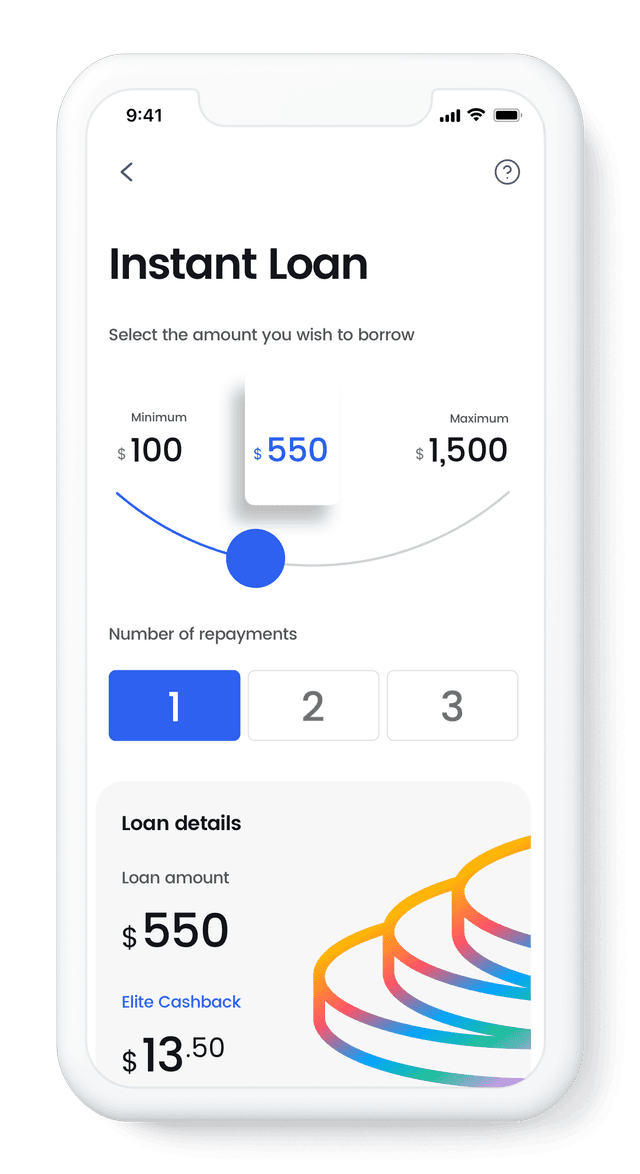
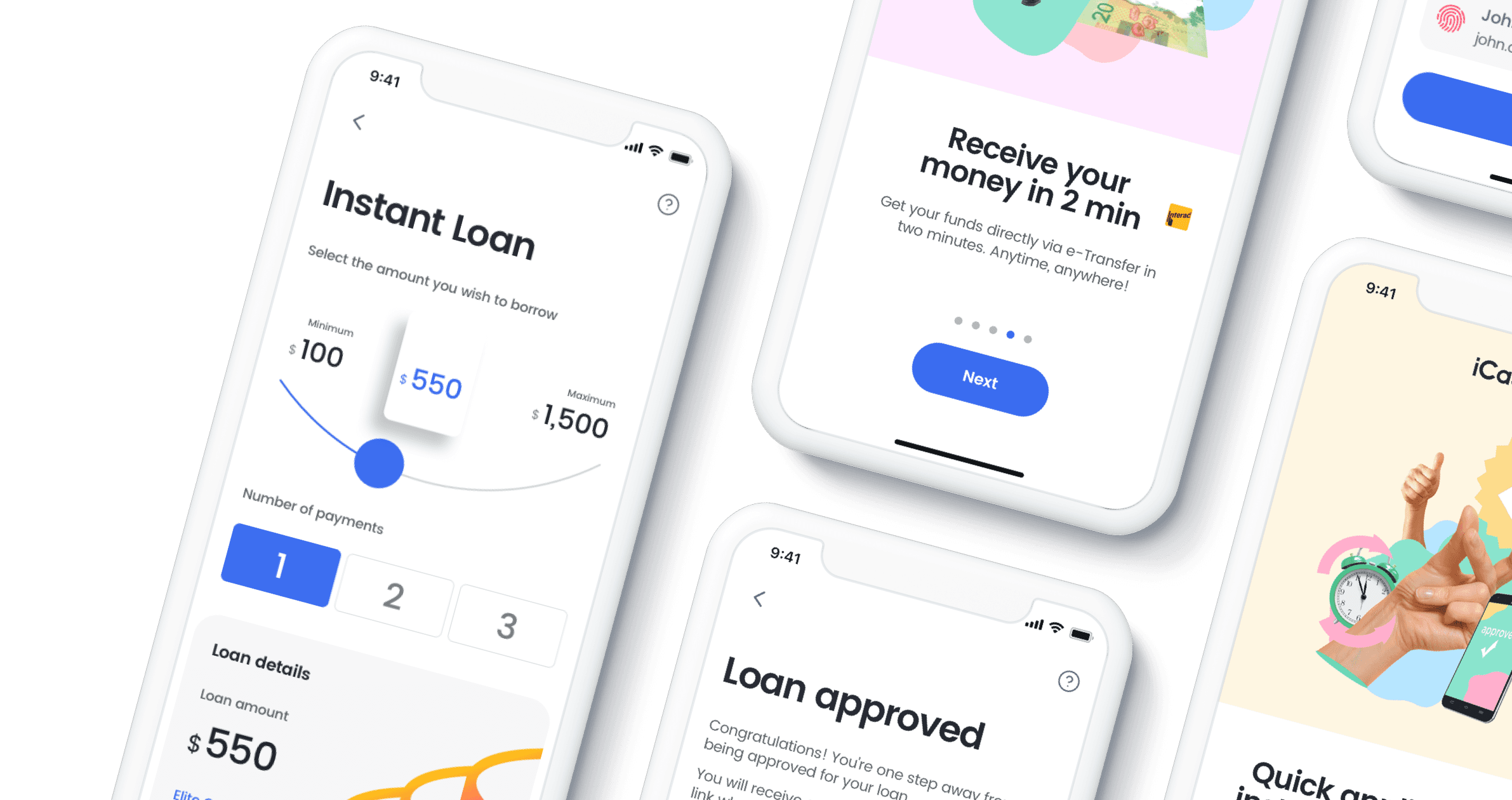
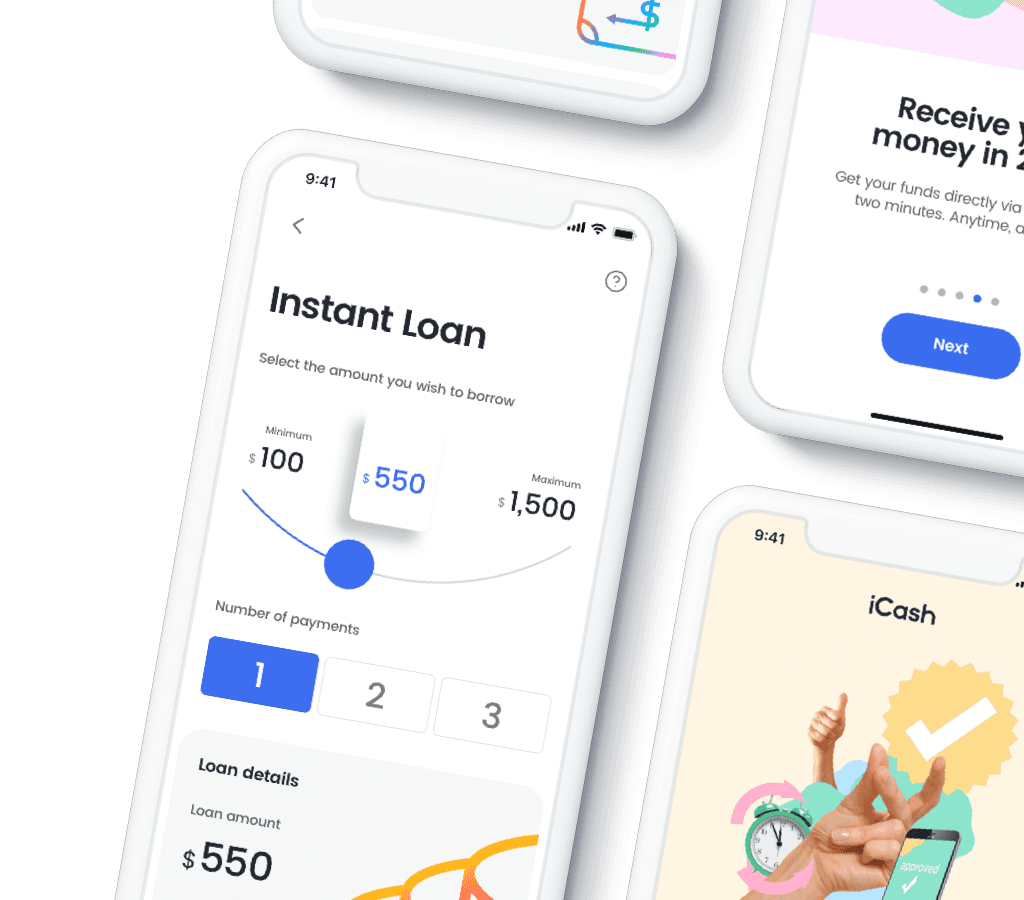
iCash is a licensed online payday lender operated by Finabanx Ltd. It holds payday-lending licences in Alberta, British Columbia, Manitoba, New Brunswick, Nova Scotia, Ontario and Prince Edward Island. Loans go up to $1,500, with a fixed borrowing fee of $14 per $100 where that cap applies.
Licence numbers for each province appear in the footer of iCash.ca. Funds are sent by Interac e-Transfer®, typically within two minutes of approval.
Here is how the cost works in practice. Borrow $200 at $14 per $100 and the borrowing fee is $28. Total repayment is $228, before any separately permitted default or dishonoured-payment charges. Review that total and the repayment schedule before you decide how you will repay.
Returning customers enjoy a streamlined process, with no credit check required after your first loan. Your first application includes a credit check as part of the review.
The key distinction is that iCash lends the money directly. It is not an app that arranges an advance on someone else's behalf. Your payday loan agreement is therefore subject to the rules governing licensed payday lending in your province.
Approval is not guaranteed and conditions apply. iCash only offers one loan at a time. Before applying, it is worth reading how to borrow responsibly.
How to Apply in 3 Steps
If a payday loan fits your situation, the process is short. You apply online, receive a decision based on your circumstances and eligibility, and get funds sent by transfer once approved. The whole application usually takes five to ten minutes.
Apply online. Complete the application with your personal, income and banking information.
Get a quick decision. Your application is reviewed against your circumstances and the lender's eligibility requirements.
Receive your funds. If approved, funds can be sent by Interac e-Transfer in about two minutes, depending on your bank and transfer processing. You will know exactly when and how to repay.
Learn more about payday loans before deciding whether this type of borrowing suits you.
Frequently Asked Questions
Is a cash advance app the same as a payday loan? No. A payday loan is a specific regulated product: $1,500 or less, 62 days or less, from a provincially licensed lender. A cash advance app may be structured as a loan, an advance against expected income, or a subscription service. The structure determines which rules apply.
Are cash advance apps regulated in Canada? It depends on the business model. Some are licensed lenders. Some fall under payment regulation, such as the Retail Payment Activities Act, without being licensed as lenders. Others operate mainly under their own service agreements. Check what the company is licensed to do before you borrow.
How much can a payday lender charge in Canada? The total cost of borrowing is capped at 14% of the amount advanced, which is $14 per $100 borrowed. Default fees authorised under provincial law and dishonoured-payment fees of $20 or less sit outside that cap.
How do I know if a payday lender is licensed? Check your provincial or territorial consumer protection authority, which publishes licensing information. Licensed lenders also display licence numbers on their websites. Be especially careful with lenders based outside Canada.