


When an unexpected expense comes up, you may be considering a credit card cash advance or a payday loan to cover the gap. The cheaper option depends on how long you need the money and what borrowing options are available.
A credit card cash advance can be less expensive if you already have available credit and can repay it quickly. A payday loan has a fixed borrowing fee, so you know the total cost upfront. Comparing the actual cost of each option can help you decide which better fits your situation.
Key Takeaways

A credit card cash advance usually has an upfront fee, a higher interest rate, and no interest-free grace period.
A payday loan has a fixed fee of $14 per $100 borrowed, so the total repayment is known before you accept the loan.
For a $500 loan, a credit card cash advance can be cheaper if repaid quickly, while a payday loan with iCash provides a fixed $70 borrowing cost*.
The right choice depends on how quickly you can repay, your available credit, and which repayment cost you can comfortably manage.
*Canada caps loan fees within each province. Check your loan costs here to confirm the borrowing cost in your specific province.
What Is a Credit Card Cash Advance?
A credit card cash advance lets you borrow cash against your available credit limit rather than using your card to make a purchase. Depending on your card issuer, you may be able to access the money at an ATM, bank branch, or through an online transfer.
Unlike a regular credit card purchase, a cash advance typically starts accruing interest immediately. Most cards don't provide an interest-free grace period for cash advances, so the balance can become more expensive the longer you carry it.
Your credit card agreement will specify the exact cash advance fee, interest rate, and any other applicable charges.
What a Credit Card Cash Advance Actually Costs
A credit card cash advance can have several costs at once. The exact amount depends on your credit card, but you may encounter:
Cost | Typical range |
Cash advance fee | $3–$10 or 1%–5% of the advance |
Cash advance APR | 21.99%–29.99%+ |
ATM or network fee | $2–$5+ |
Interest-free grace period | Usually none |
The combination of an upfront fee and immediate interest means the cost starts building as soon as you take the cash advance.
For example, if your card charges a 24.99% annual percentage rate (APR), interest continues to accumulate while you carry the balance. Paying it back sooner generally means paying less interest.
Your credit card issuer's terms are the best source for the exact cost of a cash advance.
What a Payday Loan Actually Costs
A payday loan uses a different pricing structure. Instead of charging interest that accumulates over time, licensed payday lenders can charge a fixed borrowing fee subject to provincial limits.
In provinces where the maximum payday-lending cost is $14 per $100 borrowed, a $500 payday loan would have a $70 borrowing fee, for a total repayment of $570.
The total cost is established when you accept the loan, so you can see how much you need to repay before borrowing.
Payday loans are intended for short-term financial needs. Before taking one, make sure the repayment fits comfortably within your budget and that you understand the loan's terms and due date.
Side-by-Side: A $500 Example
The key difference is how the cost behaves over time. A credit card cash advance starts accruing interest immediately, so the amount you owe can increase the longer you carry the balance. A payday loan uses a fixed borrowing fee, so you know the scheduled repayment amount upfront.
Looking at the same $500 amount makes the difference easier to understand.
Suppose you take a $500 credit card cash advance with a $10 cash advance fee and a 24.99% APR. Because interest starts accumulating immediately, the cost increases the longer you carry the balance.
By comparison, a $500 iCash payday loan has a fixed $70 borrowing fee under the $14-per-$100 rate, for a total repayment of $570.
$500 Credit Card Cash Advance | $500 iCash Payday Loan | |
Amount borrowed | $500 | $500 |
Upfront fee | $10 | $70 |
Interest/borrowing cost | 24.99% APR | Fixed fee |
Cost after 14 days* | ~$14.79 | $70 |
Cost after 90 days* | ~$40.81 | $70 |
Total repayment | Grows with interest | $570 |
*Illustrative figures based on a $500 cash advance, $10 fee, and 24.99% APR. Actual credit card costs depend on your card's terms and how interest is calculated.
Using these example rates, the credit card cash advance costs less over shorter periods. If you carry the balance for roughly 175 days, the accumulated interest plus the $10 fee would approach the $70 fixed borrowing fee of the payday loan. Your actual break-even point will vary based on your card's cash advance rate and fee.
The key difference is that the credit card cost keeps growing, while the payday loan has a predetermined borrowing fee.
Which One Actually Costs Less for You?
There's no single answer to whether a payday loan or credit card cash advance is cheaper. Your circumstances matter.
If you already have enough available credit and can repay the cash advance within a few weeks, a credit card cash advance is usually less expensive based on the example above. You'll pay the upfront fee and some interest, but paying the balance quickly limits the interest that accumulates.
A payday loan may be worth considering if you don't have a credit card, don't have enough available credit, or need a fixed borrowing cost that won't continue increasing with time. It can also be an option when you haven't been able to qualify for lower-cost forms of credit.
If you're deciding between a cash advance vs. a payday loan, look beyond the initial fee. Consider the total amount you'll repay and whether you can comfortably meet the repayment requirements.
Other Things to Weigh Beyond Cost
Cost is important, but there are a few other differences to consider.
Credit utilization: A credit card cash advance uses your existing credit limit. Taking one can increase your credit utilization, particularly if you already carry a balance. A payday loan doesn't use your credit card limit.
Approval: A credit card cash advance generally depends on having sufficient available credit. A payday loan application is assessed based on factors such as income and ability to repay.
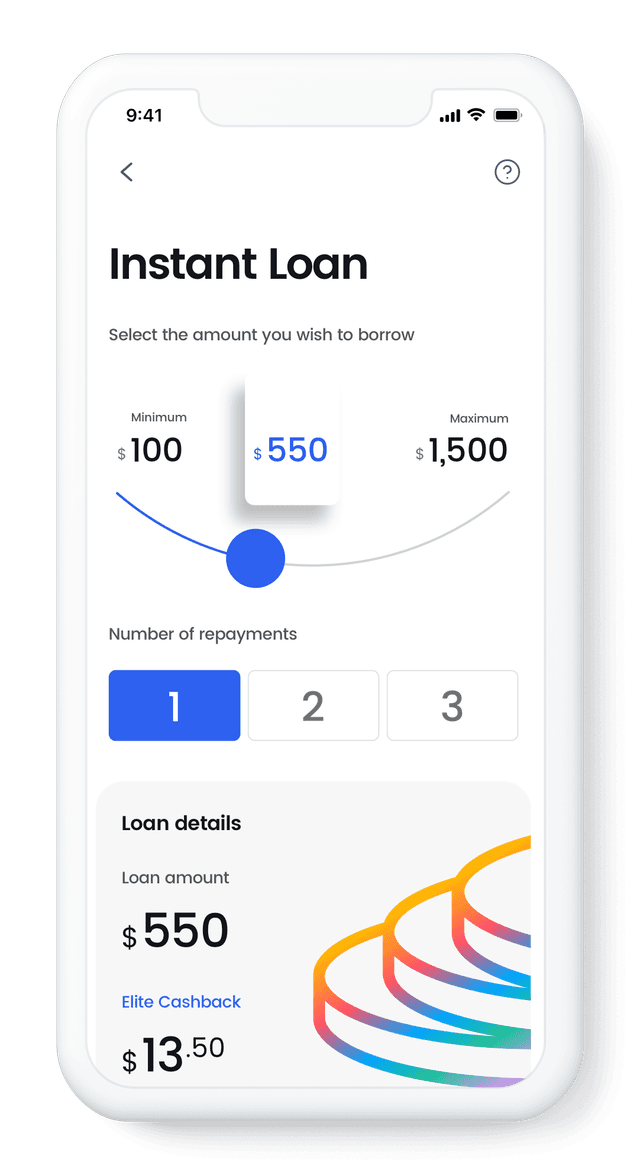
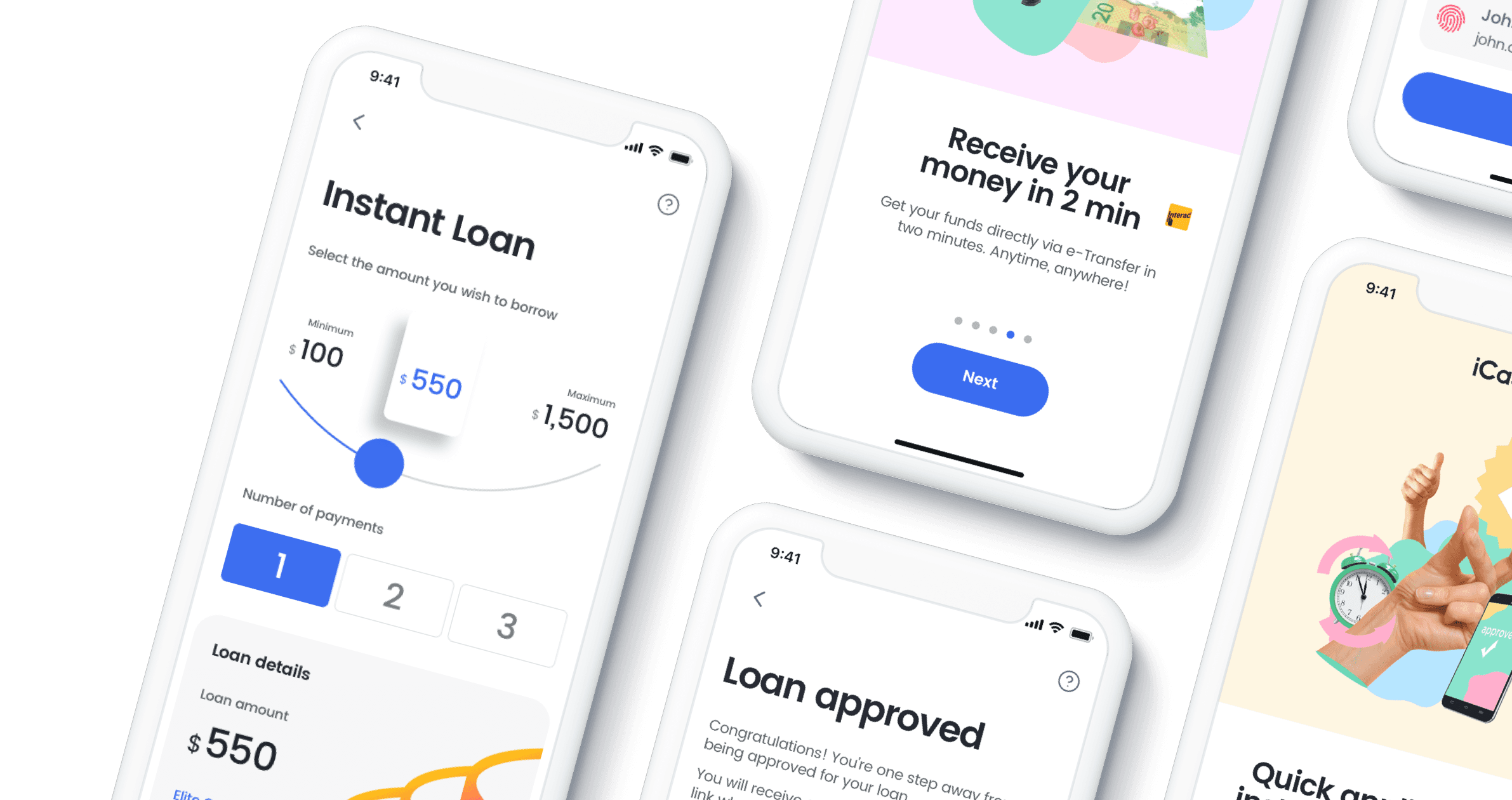
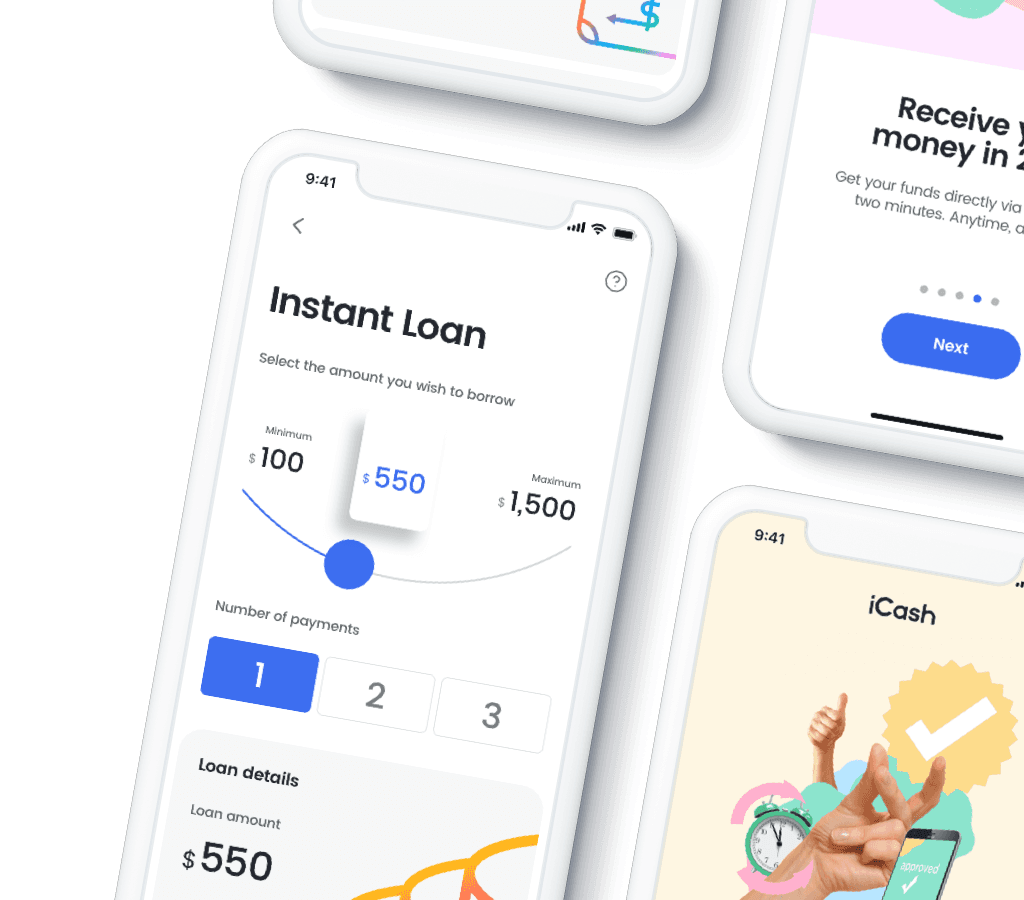
Speed: Both options can provide relatively quick access to funds. With iCash, eligible applicants can apply online and receive an instant decision, with approved funds typically sent by Interac e-Transfer® in about two minutes.
The best option depends on which costs and repayment requirements fit your situation.
Before Choosing Either Option
If you have access to savings, a line of credit, an overdraft facility, or another lower-cost option, compare those costs before borrowing. A credit card cash advance and a payday loan can both be expensive ways to access short-term cash. The Financial Consumer Agency of Canada recommends considering less expensive alternatives before taking out a payday loan.
If neither option is avoidable, focus on the total cost, repayment date, and whether you can comfortably repay the amount without taking on additional debt.
How to Apply for a Payday Loan — 3 Steps
If you've compared your options and decide a payday loan is appropriate for your situation, the iCash application process is straightforward:
Apply online. Complete the application with your personal, income, and banking information.
Receive an instant decision. We review your application based on factors including your income and ability to repay.
Receive your funds. If approved, funds are typically sent by Interac e-Transfer within about two minutes after you sign the agreement.
Borrow Responsibly, Whichever Option You Choose
Whether you choose a credit card cash advance or payday loan, start by looking at the full cost and repayment timeline. Understanding how to manage your finances and responsibly use funding will help you avoid common mistakes that lead to a debt cycle.
Before borrowing, ask yourself:
How much do I actually need?
When can I realistically repay it?
What will the total borrowing cost be?
Will the repayment leave enough room for my other bills?
Have I considered lower-cost alternatives first?
If you have savings available, can arrange a payment plan, or have access to a lower-cost form of credit, those options may be worth considering first.
If you do borrow, avoid taking on more than you need and don't rely on a new loan to repay an existing one. Understanding the terms before you sign can help you make a decision that fits your budget.
For more guidance, see iCash's guide to responsible borrowing.