

Buy now, pay later (BNPL) lets you split the cost of a purchase into smaller payments, often repaid over months. But the service can be unavailable if your application is declined, the retailer doesn’t offer BNPL, or the purchase isn’t eligible. If BNPL isn’t an option, the right alternative depends on whether you need to finance a purchase or actually need cash.
Before taking on another form of credit, it’s worth figuring out why BNPL didn’t work and what problem you’re actually trying to solve. You may have a lower-cost option available that doesn’t involve borrowing at all.
Key Takeaways

BNPL lets you split a specific purchase into multiple payments like monthly installments, often without interest if you pay on time.
BNPL may not be available because your application was declined, the retailer doesn't offer it, or the purchase isn't eligible.
If BNPL isn't an option, consider retailer payment plans, a line of credit, credit counselling, or a short-term loan depending on what you need.
What Is Buy Now, Pay Later?
Buy now, pay later is a short-term financing service offered by a payment provider at checkout. It lets an approved consumer divide one retail purchase into several payments, often with no interest when payments are made on time. The most common structure is pay in 4, which splits the amount into four payments over six weeks.
Longer plans also exist. Some providers offer monthly plans over three, six or 12 months, and those longer plans often carry interest. A buy now, pay later plan is tied to a specific purchase at a participating business, not to your general spending.
Most providers run a soft credit check rather than a hard inquiry, so applying usually does not affect your credit score the way a credit card application would. Approval is provider-specific, and each buy now, pay later provider sets its own eligibility criteria and spending limits.
Fees vary by provider and plan. A plan advertised as interest-free can still carry a late fee, an administration fee, or a processing fee. Review the interest rate, every fee, the payment schedule and the plan terms before you agree to any buy now, pay later financing.
Buy Now, Pay Later Apps in Canada
Several buy now, pay later services operate in Canada, and these apps are not interchangeable. Each provider works with a different network of merchants, offers plans running from six weeks to 12 months, and charges a different late fee. Which app is best for a given purchase mostly depends on where you're shopping. If one buy now, pay later app isn't available at checkout, another may be, so compare the plan terms of a second service before you select a different payment method.
Provider | Typical structure | Notes |
Klarna | Pay in 4, or pay in 30 days | Wide retail coverage; app can generate a one-time virtual card |
Afterpay | Pay in 4 over six weeks, plus monthly plans | Large online and in-store merchant network |
Affirm | Pay in 4, plus longer monthly financing | Absorbed PayBright in Canada; longer plans can carry interest up to 29.99% APR |
Sezzle | Pay in 4 over six weeks | Optional product reports payment history to credit bureaus |
Zip | Split into several payments | Availability varies by merchant |
Most buy now, pay later providers charge a flat late fee of roughly $5 to $15 per missed payment, usually capped per order. Standard pay in 4 plans generally aren't reported to credit bureaus, which means on-time buy now, pay later payments usually won't build your credit score the way a credit card will.
Provider terms change often. Check the current fee schedule, plan length and interest rate on the provider's own site before you select a plan at checkout.
Why Buy Now, Pay Later Might Not Be Available to You
There are three common reasons: buy now, pay later, and aren't available at checkout. Understanding which one applies to you decides what you should do next, because two of the three have nothing to do with your credit at all.
Your application was declined. The provider assesses each application and may decline a consumer based on its own criteria. That assessment can look at your repayment history with that provider, your existing active plans, the purchase amount, and the result of a soft credit check.
The merchant doesn't offer it. Not every store or website works with every buy now, pay later provider. Merchants pay a fee to offer these services, so a smaller business often supports one provider, or none. That has nothing to do with you as a consumer.
Your purchase isn't eligible. Buy now, pay later is connected to a specific retail transaction. It isn't designed to give you cash for rent, utilities, an unexpected repair, or any expense outside the purchase itself.
That last distinction matters. If you tried to use BNPL because you needed money rather than financing for a particular product, looking for another BNPL provider may not solve the underlying problem.
*BNPL plans may be offered at 0% interest when payments are made on time, and the balance is paid according to the plan terms. However, fees may apply, including administration, processing, or missed-payment fees, depending on the provider and agreement. Review the specific plan’s interest rate, fees, payment schedule, and other terms before agreeing to BNPL financing.


The Pros and Cons of Buy Now, Pay Later
BNPL can be useful in the right circumstances, but it isn’t automatically the best choice for every purchase.
Potential advantages
Interest-free plans: Many BNPL plans don’t charge interest when you follow the payment schedule.
Smaller payments: Splitting one purchase into several payments can make a planned expense easier to manage.
Simple approval: Some providers use a soft credit check or other eligibility assessment that doesn’t affect your credit score in the same way as a hard inquiry.
Potential drawbacks
Missed payments can cost you: Depending on the provider and plan, late payments can result in fees or other consequences.
Credit reporting can vary: Some BNPL providers may report certain payment activity to credit bureaus.
It’s tied to a purchase: You generally can’t use BNPL to pay a landlord, utility company, mechanic, or another person directly.
Future access may be affected: Missing payments can make it harder to use the service again.
The key is to look at the entire repayment schedule rather than focusing only on the amount due today.
Is Buy Now, Pay Later Even the Right Tool for What You Need?
BNPL is designed to finance a particular purchase; it isn’t designed to solve a general cash-flow problem.
For example, BNPL could make sense if you need a new laptop from a participating retailer and can comfortably manage the scheduled payments. It doesn’t solve the problem if your immediate need is $300 for an overdue utility bill or an unexpected car repair.
Before searching for another BNPL provider, answering this question will help you focus on the right next step:
Do I need to finance a purchase, or do I need access to cash?
If it’s a purchase, start by asking the retailer about other payment arrangements. If you need cash, compare options designed for that purpose.
Option 1: Ask the Retailer About Other Payment Plans
If BNPL was declined at checkout, asking the retailer what other payment options are available is often the simplest next step. You can also see whether a mobile app offers an automatic BNPL option you can select at checkout.
Some retailers offer their own financing, installment plans, store credit, or layaway arrangements. They may even link funding to your credit card. These options can vary considerably, so ask about the total cost, payment schedule, interest, and any fees before agreeing.
This is especially worth trying when you know exactly what you need, and the retailer offers a financing option that doesn’t require a separate cash loan. If the merchant doesn’t offer another payment plan, move on to options that better match your situation rather than taking on unnecessary debt just to complete the purchase.
Option 2: Talk to a Credit Counsellor or Rework the Budget
If the purchase isn’t urgent, pausing can be the most financially useful option.
Look at your budget and ask whether the expense can be delayed, reduced, or paid for by redirecting money from another category. You may also want to speak with a nonprofit credit counsellor, particularly if you’re already managing several debts or regularly need credit to cover everyday expenses.
A credit counsellor can help you review your debts and budget and identify options before you take on another payment.
Talk to a Credit Counsellor First
If the problem is a recurring shortage rather than a one-time expense, addressing the underlying budget issue is generally more useful than finding another way to borrow.
Option 3: Ask Family, or Use a Line of Credit If You Qualify
If you have a trusted family member or friend who can help, borrowing from them may avoid interest and fees altogether. Make sure both sides are clear about how and when the money will be repaid to avoid creating tension later.
A personal line of credit is another option if you already qualify. Lines of credit typically offer lower borrowing costs than short-term loans, although interest rates, credit limits, and eligibility requirements vary.
These options are worth checking before considering higher-cost short-term borrowing.
Option 4: A Short-Term Loan — For When You Need Cash, Not a Financed Purchase
A short-term loan addresses a different problem than BNPL: it provides cash you can use for an eligible expense rather than financing one specific retail transaction.
For example, you might need cash for an urgent vehicle repair, an essential bill, or another unexpected expense you can’t pay through BNPL.
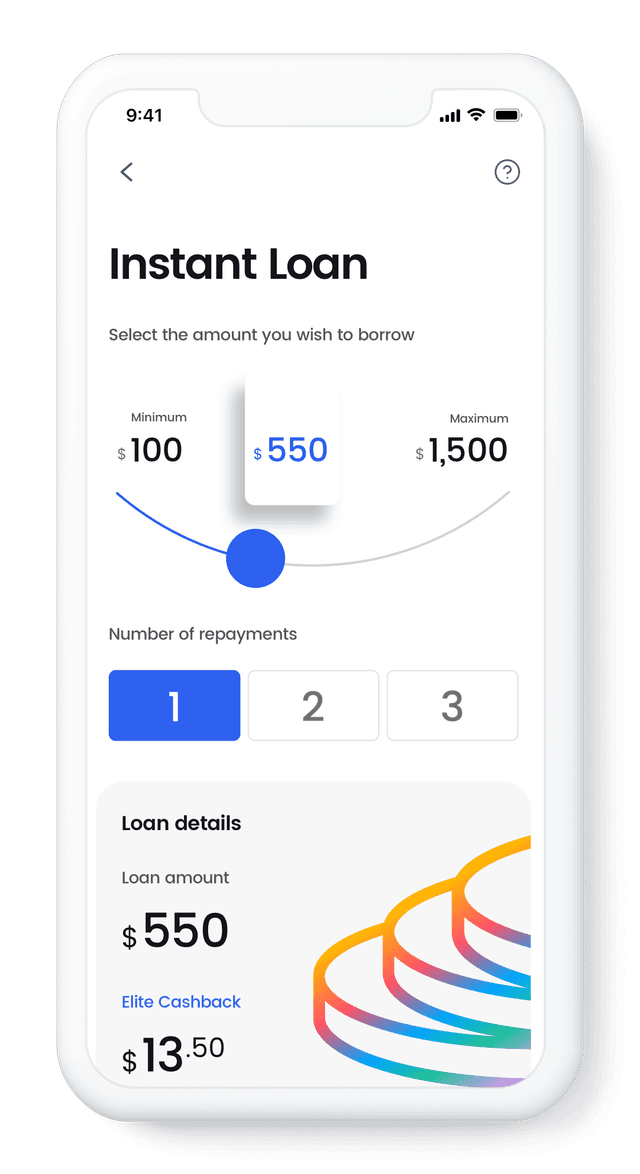
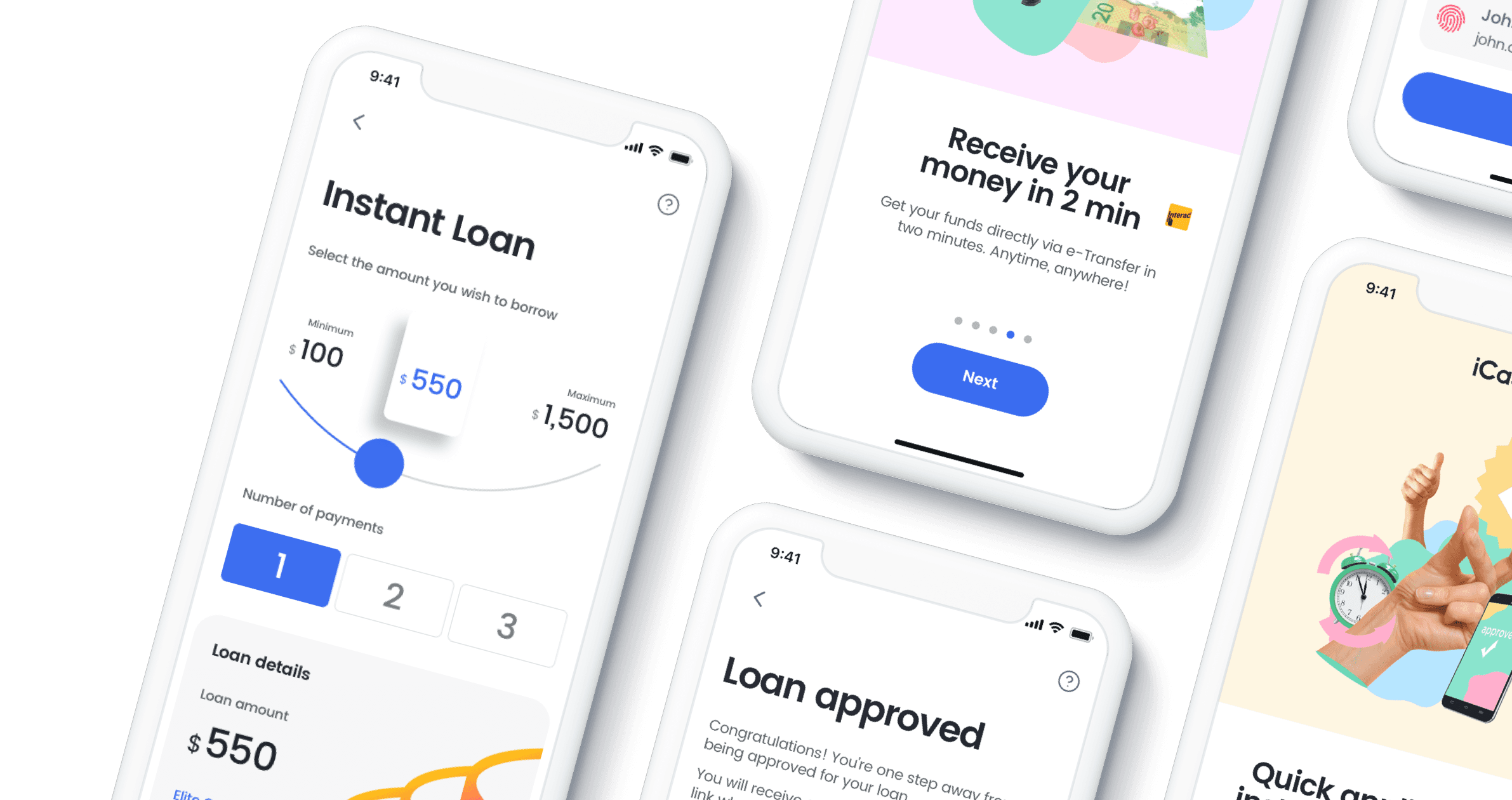
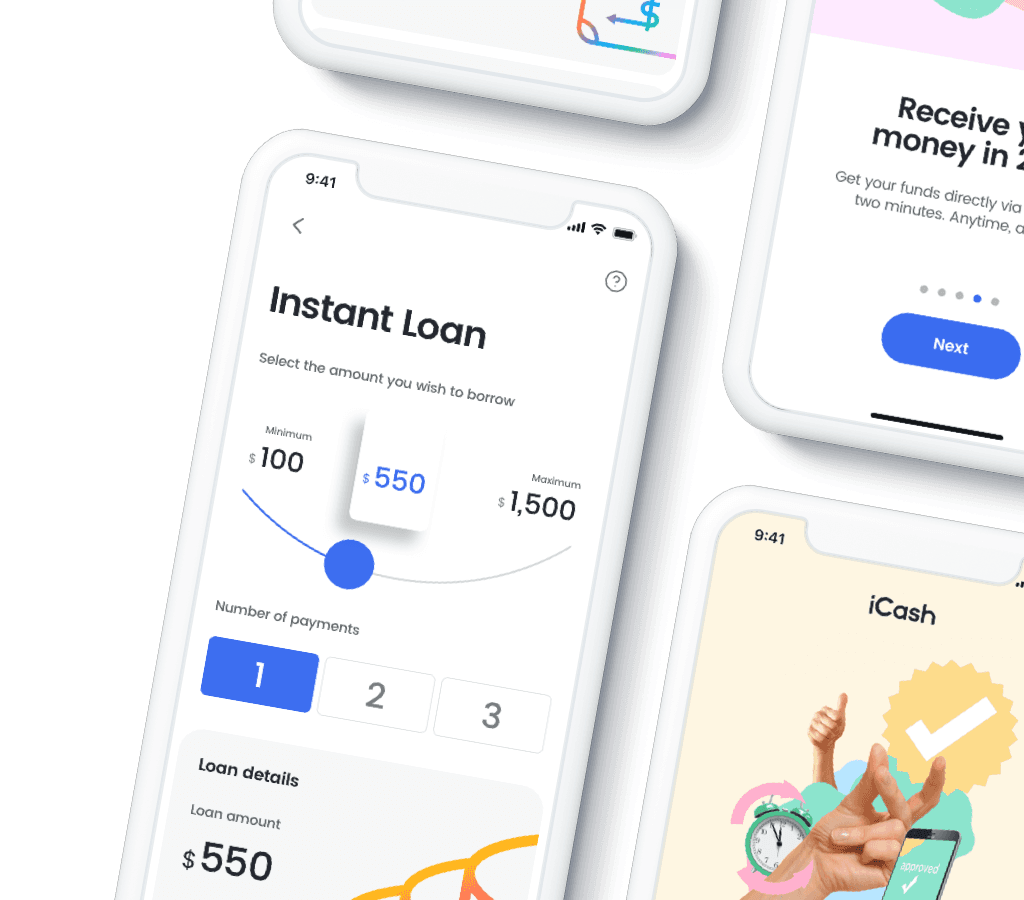
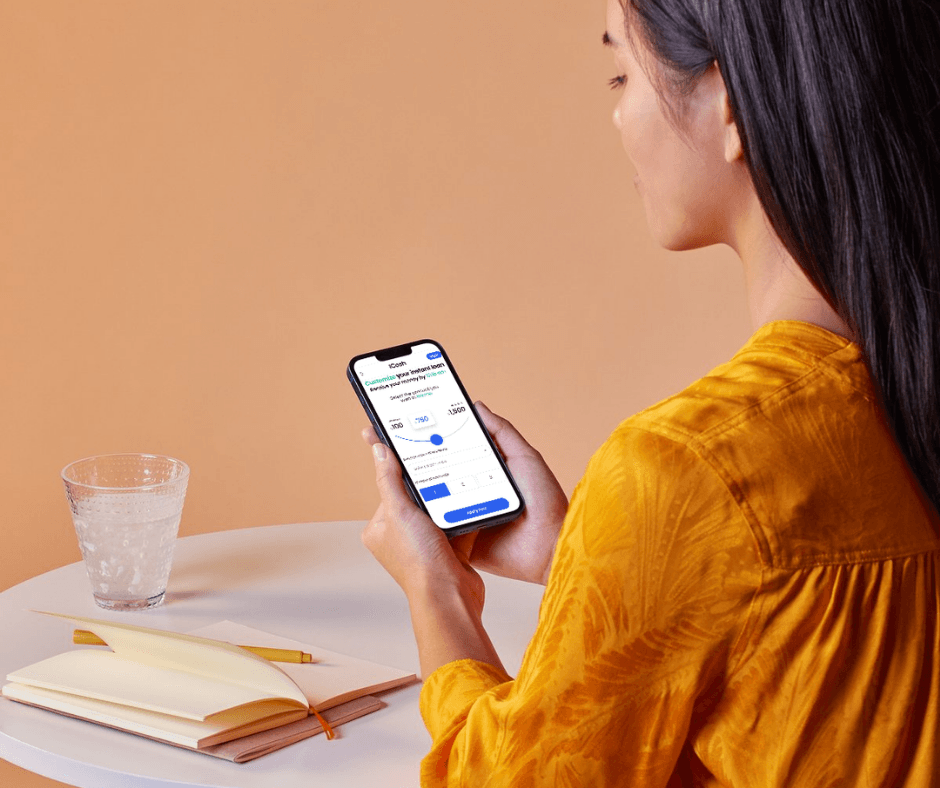
A short-term payday loan is one option available to eligible borrowers. iCash is a licensed online lender offering short-term loans from $100 to $1,500.
Consider the cost carefully. Check the fees, terms, process, and total borrowing cost before applying. In Ontario and several other provinces, licensed payday lenders can charge up to $14 per $100 borrowed. For example, borrowing $300 would mean $42 in borrowing costs and $342 in total repayment.
Approval isn’t guaranteed, and eligibility depends on factors such as income and ability to repay. Consider a short-term loan only for a genuine, temporary cash need—not as a replacement for BNPL or to routinely cover everyday expenses.
Before borrowing, you can also use a loan cost calculator to understand the repayment amount.
How a Short-Term Loan and BNPL Actually Compare
The biggest difference is what the money is designed to do: BNPL finances a specific purchase, while a short-term loan provides cash for an eligible expense.
Both options come with different cost structures and fees. BNPL costs depend on the funding company. For a short-term loan, the cost is often expressed as an APR and is regulated by each province throughout Canada.
Buy Now, Pay Later | Short-Term Loan | |
Primary purpose | Finance a specific purchase | Cover an eligible cash expense |
How you receive it | Applied at checkout | Funds deposited to your bank account |
Cost | Often 0% interest when paid on time | Up to $14 per $100 in applicable provinces |
Repayment | Usually several scheduled payments | Depends on the loan agreement |
Approval | Provider-specific eligibility assessment | Lender-specific eligibility assessment |
Best fit | A planned retail purchase | A temporary need for cash |
Neither option is automatically better. The appropriate choice depends on what you’re trying to pay for and what you can comfortably repay.
If you need money for something that isn’t a retail purchase, comparing BNPL providers won’t necessarily help. If you’re simply trying to spread the cost of a planned purchase, taking out a cash loan may create unnecessary borrowing costs.
For more guidance, see our article on alternatives to payday loans and our guide to responsible borrowing.
How to Apply for a Short-Term Loan — 3 Steps
If you’ve decided that a short-term loan fits your situation, the iCash application process is straightforward:
Apply online. Submit your application and provide the required information.
Get an instant decision. Your application is assessed based on the lender’s eligibility criteria.
Receive your funds. If approved, funds are typically sent by Interac e-Transfer® in about two minutes, subject to your bank’s processing time.
See how iCash works and understand the tools available to you.