

Having bad credit doesn’t automatically mean you can’t get approved for a loan. Many lenders consider more than just your credit score, including your income, employment, and ability to repay. Understanding how installment loans work—and how they compare to other borrowing options—can help you choose the solution that best fits your financial situation.
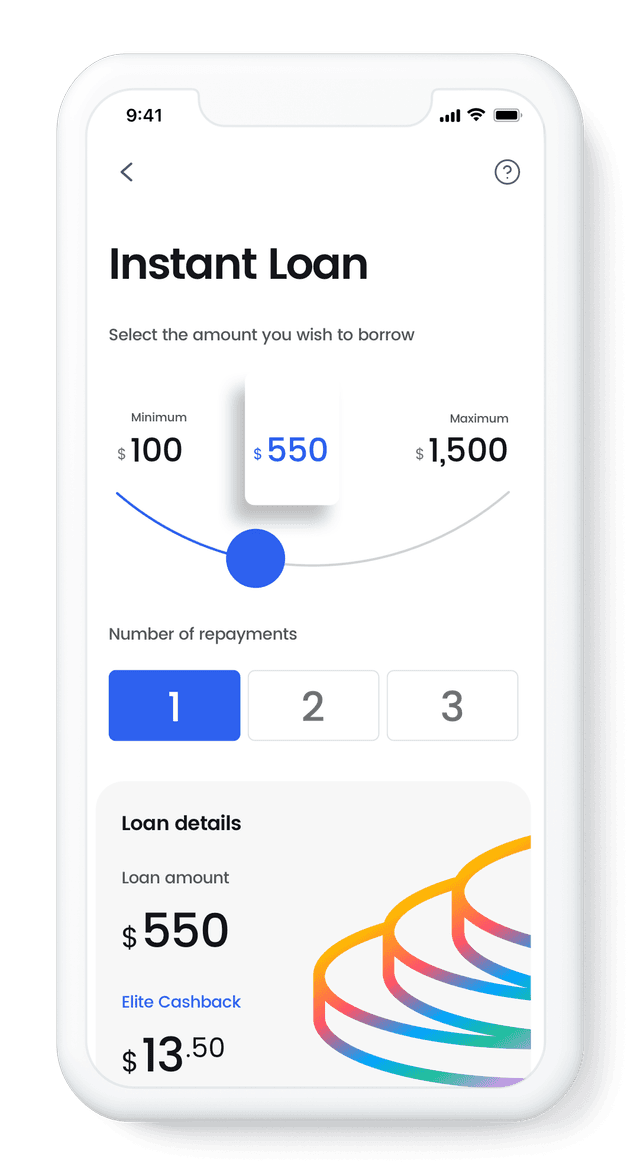
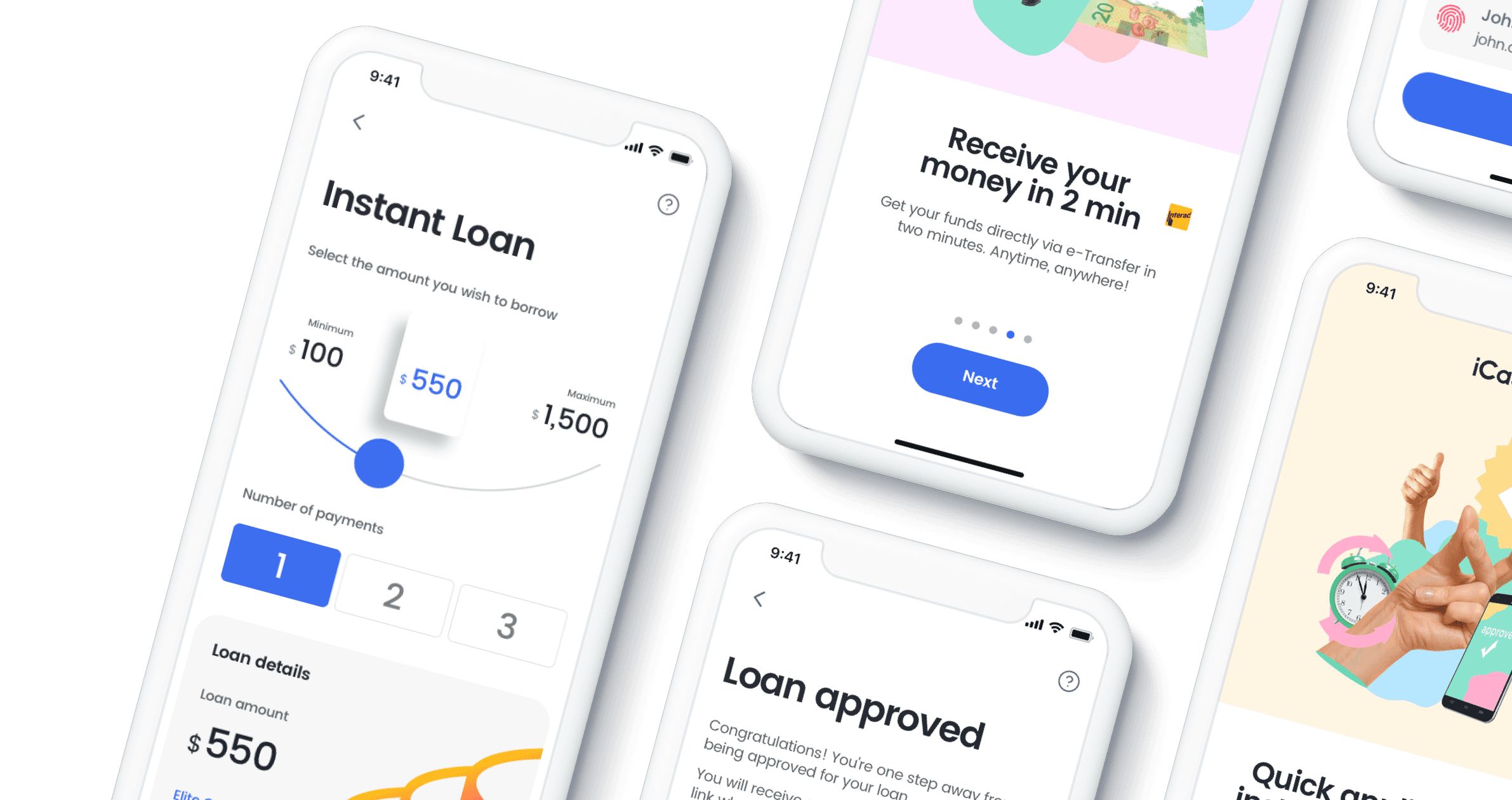
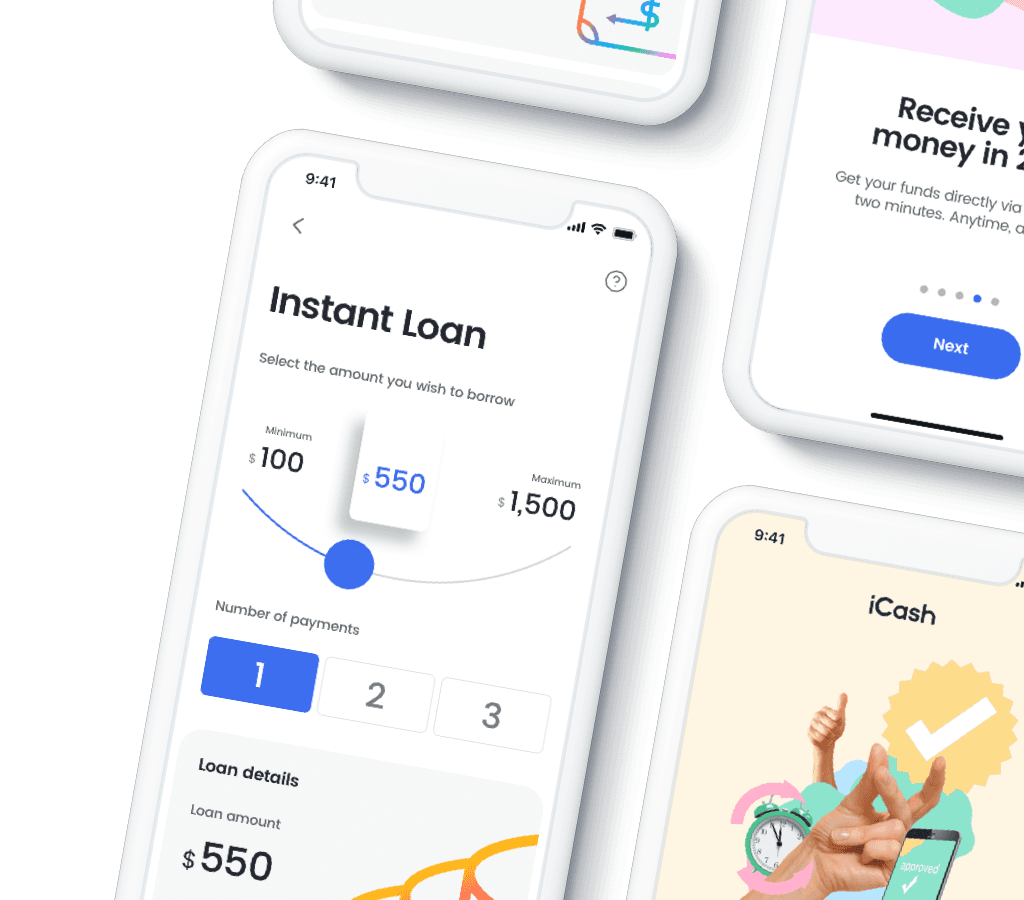
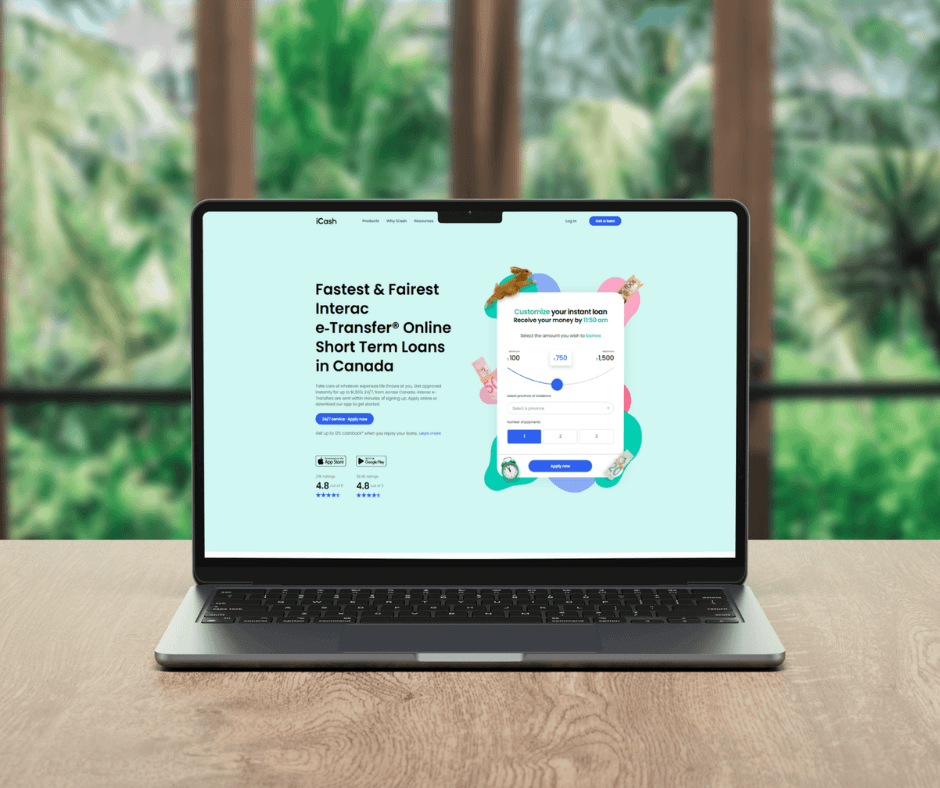
Need funds sooner? Apply online with iCash for an instant decision and, if approved, receive up to $1,500 by Interac e-Transfer®, often within 2 minutes.
Key Takeaways

Canadians with bad credit can still qualify for financing, as many lenders consider income, employment, and banking history alongside credit scores.
Installment loans are repaid through scheduled payments, while some licensed online lenders also offer short-term loans with flexible repayment options depending on the province and loan amount.
Before borrowing, compare the total cost, repayment schedule, and eligibility requirements to choose a loan that fits both your needs and your budget.
What Are Installment Loans for Bad Credit?
An installment loan is a loan where you receive a lump sum of cash at once and repay it through a series of scheduled payments instead all at once. Each payment typically includes part of the amount you borrowed, plus any applicable interest and fees, until the loan is fully repaid.
Installment loans are available to borrowers with a wide range of credit histories, including those with bad credit. While some lenders place significant weight on your credit score, many also consider your income, employment, banking history, and overall ability to repay the loan.
Loan amounts and repayment periods vary by lender. Traditional installment loans often offer larger amounts with repayment spread over several months or longer.
However, not every financial need requires a large, long-term loan. If you’re covering a smaller, unexpected expense, such as a car repair, utility bill, or emergency purchase. There are a variety of funding options available in Canada, including short-term online loans.
Can You Get Approved With Bad Credit?
Yes. Bad credit does not automatically exclude you from accessing funding. It just means you need to find lenders who consider more than your credit score.
Many licensed lenders understand that a credit score only tells part of your financial story. Instead of relying solely on your credit history, they often evaluate factors such as:
your current income;
employment or regular government benefit payments;
your recent banking history;
your existing financial commitments; and
whether the loan fits comfortably within your ability to repay.
At iCash, approval isn’t based solely on your credit score. First-time applicants complete a simple one-time credit verification, but income stability and affordability are also important parts of the assessment.
Rather than looking for a lender that promises “guaranteed approval,” it’s better to choose one that’s transparent about its eligibility requirements and provides a fast lending decision based on your individual circumstances.
How Much Can You Borrow?
The amount you can borrow depends on the lender, your financial situation, and the type of loan you’re applying for.
Traditional installment lenders may offer several thousand dollars with longer repayment schedules. Short-term lenders typically offer smaller loan amounts designed to cover immediate expenses until your next paycheque or benefit payment.
At iCash, eligible borrowers can apply for loans of $100 to $1,500, depending on income and ability to repay.
For example, if you only need $200 to replace a flat tire or pay an unexpected utility bill, borrowing exactly what you need may be more manageable than taking out a much larger loan. Smaller loan amounts generally mean lower borrowing costs and can be easier to repay on time.
The final amount you’re approved for is based on factors including:
your income;
your repayment ability;
your banking history; and
the lender’s eligibility criteria.
How Fast Can You Get Funded?
Funding speed depends on the lender you choose, but many online lenders can provide a decision within minutes.
With iCash, the process is straightforward:
Complete your online application.
Receive an instant lending decision.
If approved, your funds are sent by Interac e-Transfer, typically within 2 minutes.
Traditional installment loans—particularly those offered through banks or credit unions—may involve additional documentation or manual reviews, which can extend the approval and funding process by several business days.
If your expense can’t wait, understanding how quickly each borrowing option provides access to funds can be just as important as comparing costs.


Interest Rates and Fees — What It Actually Costs
Before borrowing, it’s important to understand exactly what you’ll repay—not just how much you’ll receive. For payday loans in Ontario, licensed lenders can charge up to $14 for every $100 borrowed.
For example:
Loan Amount | Cost | Total Repayment |
$200 | $28 | $228 |
$500 | $70 | $570 |
$1,000 | $140 | $1,140 |
For a 14-day loan in Ontario, this is equivalent to an annual percentage rate (APR) of approximately 365%. If that same borrowing cost were spread over a 62-day repayment period, the equivalent APR would be approximately 82.42%.
Installment loans work differently. Rather than charging a fixed cost per $100 borrowed, they generally charge interest over a longer repayment period. While the cost per payment may appear lower, borrowing over several months or years can increase the total amount of interest paid.
Before accepting any loan, review the total repayment amount, repayment schedule, and any applicable fees so you know exactly what borrowing will cost.
Installment Loans vs. Payday Loans vs. Personal Loans — What’s the Difference?
The biggest difference between these three loan types is how and when you repay the money. Installment loans are repaid through scheduled payments over time, payday loans are designed to be repaid over a much shorter period, and personal loans generally offer larger amounts with longer repayment terms. Understanding these differences can help you choose the option that best fits your financial situation.
Feature | Installment Loan | Payday Loan | Personal Loan |
Repayment | Multiple scheduled payments | Usually repaid over a short term (or in limited installments where available) | Fixed monthly payments over months or years |
Typical loan amount | Hundreds to several thousand dollars | $100–$1,500 with iCash | Hundreds to tens of thousands of dollars |
Approval factors | Income, affordability, and often credit history | Income, affordability, banking history, and a one-time credit verification for first-time iCash applicants | Stronger emphasis on credit history and income |
Funding speed | Hours to several business days | Often within minutes of approval by Interac e-Transfer | One to several business days |
Best suited for | Larger planned expenses or debt consolidation | Small, unexpected expenses that can be repaid quickly | Major purchases, renovations, or consolidating debt |
Installment Loans
If you need more time to repay what you borrow, an installment loan may be a better fit. Instead of repaying everything at once, you make scheduled payments over time, which can make larger expenses easier to manage.
Best suited for:
Home repairs or renovations
Debt consolidation
Larger planned purchases
Borrowers who need predictable monthly payments
Payday Loans
A payday loan is designed to bridge a short-term financial gap until your next paycheque or benefit payment. In Canada, licensed payday lenders can lend up to $1,500, and repayment is generally due within 62 days, depending on provincial legislation. Because they’re designed for short repayment periods, payday loans have a higher cost of borrowing than many other forms of credit.
Best suited for:
Emergency vehicle repairs
Urgent medical or dental costs
Preventing utilities from being disconnected
Short-term cash gaps before your next income arrives
Personal Loans
Personal loans are generally offered by banks, credit unions, and other financial institutions. These loans usually offer lower borrowing costs than payday loans, but they're often harder to qualify for. If you have a strong credit profile and don't need money immediately, they can be a good option for larger purchases or longer-term borrowing.
Best suited for:
Debt consolidation
Large planned expenses
Borrowers with stable income who qualify for lower interest rates
Which option should you choose?
There’s no single “best” loan—only the one that’s most appropriate for your circumstances.
Before borrowing, ask yourself:
How much do I actually need? Borrowing only what you need can reduce your borrowing costs.
How quickly can I realistically repay it? Choose a repayment schedule that fits comfortably within your budget.
Is there a lower-cost option available? A personal loan, line of credit, payment plan, or emergency savings may cost significantly less than a short-term loan.
The Financial Consumer Agency of Canada recommends comparing all available borrowing options before choosing a payday loan, as other forms of credit are often less expensive.
Is a Bad Credit Loan the Right Move for You?
A bad credit loan can be a practical solution when you’re facing a genuine, short-term financial gap and have a clear plan to repay it. It becomes much less suitable when borrowing is being used to cover ongoing monthly expenses or repay existing debt.
One of the most important questions to ask yourself isn’t “Can I get approved?”—it’s “Can I comfortably repay this loan without putting myself under more financial pressure?”
A bad credit loan may be a good fit if you can check these boxes:
You have an unexpected one-time expense, such as a vehicle repair, emergency travel, or medical bill.
You know exactly when your next paycheque or benefit payment will arrive.
You’ve reviewed the total borrowing cost and repayment schedule.
The repayment will still leave room in your budget for essentials like rent, groceries, and utilities.
It may not be the best choice if:
You’re borrowing to cover regular monthly living expenses.
You’re taking out one loan to repay another.
You’re already struggling to make existing debt payments.
You’re unsure how you’ll repay the loan when it’s due.
If any of these situations sound familiar, it may be worth exploring lower-cost alternatives first. Depending on your circumstances, you could consider:
speaking with your bank about a personal loan or line of credit;
asking a service provider whether they’ll accept a payment arrangement;
using emergency savings, if available;
borrowing from family or friends; or
speaking with a non-profit credit counsellor.
Understanding the options available to you will help you make informed decisions that empower your financial future.