


Planning a trip is exciting right up until the moment you start adding up the numbers. Flights, hotels, food, activities, and airport transfers. Costs stack up fast, and many Canadians underestimate how much a trip will actually cost until they’ve already started booking.
In this guide, you’ll learn how to set a realistic vacation budget, break down travel costs, avoid common budgeting mistakes, and handle unexpected expenses without turning your trip into financial stress.
A trip budget planner helps Canadian travellers estimate total vacation costs by categorizing expenses. Things like flights, accommodation, transport, food, activities, and a contingency fund — before spending begins.
TL;DR

A trip budget planner helps Canadian travellers estimate total vacation costs by breaking expenses into fixed categories — flights, accommodation, transport, food, activities, and a contingency fund — before spending begins. The average Canadian domestic trip costs between $1,500 and $3,000 per person, depending on destination and duration. For travellers facing a gap between their savings and their trip total, iCash offers short-term travel loans from $100 to $1,500 at $14 per $100 borrowed, sent by e-Transfer in 2 minutes.
Step 1: Set Your Total Trip Budget Before You Book Anything
Many travellers start by looking at destinations first. They browse flights, scroll hotels, save TikToks, and mentally commit to a trip before they know what they can comfortably afford. That is usually where overspending begins.
Instead, set your maximum trip budget before researching anything.
A simple formula looks like this:
Savings + any financing – emergency fund = maximum trip budget
Example:
Savings available for trip: $1,800
Emergency fund you do not want to touch: $700
Extra travel financing available: $400
Maximum trip budget: $1,500
That number becomes your ceiling for the entire trip.
For context, many Canadian domestic trips cost somewhere between $1,500 and $3,000 per person, depending on the destination, travel season, and length of stay. A long weekend in Montreal will look very different from a week in Vancouver during peak summer travel.
One of the smartest things you can do is decide early what matters most to you.
Some travellers prioritize experiences over hotels. Others care more about convenience, private accommodations, or food. There is no right answer, but knowing your priorities makes budgeting much easier later.
Step 2: Break Your Budget Into the 6 Core Cost Categories
Once you know your overall spending limit, break it into categories.
This is where a travel budget planner becomes genuinely useful, helping you see where your money is actually going before you spend it.
The six core categories are:
1. Flights and Transportation
This includes:
Flights
Train tickets
Gas
Parking
Rental cars
Airport transfers
Typical Canadian range:
Budget: $200–$500
Mid-range: $500–$900
Flexible: $900+
2. Accommodation
This includes:
Hotels
Airbnbs
Hostels
Resort fees
Cleaning fees
Typical Canadian range:
Budget: $80–$150/night
Mid-range: $180–$300/night
Flexible: $350+/night
A useful tip many travellers learn too late: always check final checkout costs before booking accommodations. Cleaning fees, taxes, parking, and resort fees can dramatically change the real total.
3. Local Transportation
This includes:
Public transit
Ride shares
Taxis
Ferries
Bike rentals
Typical range:
$15–$60 per day depending on the city
Cities like Toronto and Vancouver are walkable in many areas, while destinations with limited transit may require rental cars or frequent ride shares.
4. Food
Food is one of the easiest categories to underestimate.
A realistic daily estimate in Canada is:
Budget: $30–$50/day
Mid-range: $60–$120/day
Flexible: $150+/day
A simple strategy that helps many travellers:
Eat one nicer meal daily
Use grocery stores for breakfast and snacks
Carry a refillable water bottle
That alone can save hundreds on longer trips.
5. Activities and Entertainment
This includes:
Tours
Museum tickets
Excursions
Ski passes
Shows
Attractions
Typical range:
Budget: $50–$150 total
Mid-range: $200–$500 total
Flexible: $700+
A common budgeting mistake is assuming activities will “work themselves out later.” In reality, they are often one of the biggest trip expenses after flights and hotels.
6. Contingency Buffer (10–15%)
This is the category people almost always forget.
Unexpected costs happen constantly:
Delayed flights
Extra baggage fees
Last-minute transportation
Higher restaurant prices
Weather changes
Pharmacy purchases
Tipping
A contingency fund protects your trip from becoming stressful. Aim for 10–15% of your total trip budget.

Example Budget: 5-Day Canadian Trip
Category | Budget Trip | Mid-Range Trip | Flexible Trip |
Flights/Transport | $350 | $700 | $1,200 |
Accommodation | $500 | $1,100 | $2,000 |
Local Transport | $80 | $180 | $350 |
Food | $200 | $450 | $900 |
Activities | $100 | $350 | $800 |
Contingency Buffer | $150 | $300 | $600 |
Estimated Total | $1,380 | $3,080 | $5,850 |
Step 3: Identify Fixed Costs vs. Flexible Costs
Not every expense deserves the same level of attention. Some costs are fixed early and difficult to change later. Others stay flexible throughout the trip.
Fixed Costs
Fixed costs usually include:
Flights
Accommodation
Travel insurance
Visas
Event tickets
These are often locked in weeks or months before travel. This is where most of your budgeting research should happen because these costs shape the rest of the trip.
One important tip: Cheap flights can sometimes create expensive trips overall. A cheaper airport far outside the city may increase transportation costs later.
Flexible Costs
Flexible costs usually include:
Food
Shopping
Souvenirs
Drinks
Activities
Entertainment
These are easier to adjust in real time. If your budget starts getting tight during the trip, this is where you can scale back without ruining the experience.
Many experienced travellers intentionally leave “free days” in their itinerary. Walking through neighbourhoods, beaches, parks, hiking trails, or markets often becomes the most memorable part of a trip anyway.
Step 4: Track Your Spending Before and During the Trip
A trip budget planner only works if you actually track spending.
Most people overspend gradually, not dramatically. It is usually small daily expenses that quietly pile up:
Coffee
Airport snacks
Extra Ubers
Convenience purchases
“Just one more” activity
Tracking helps you spot problems early instead of realizing you are over budget on the last day.
A few simple methods work well:
Spreadsheet Method
Create columns for:
Category
Estimated cost
Actual cost
Difference
This is one of the easiest ways to stay organized before and during travel.
Notes App Method
Many travellers simply keep a running total in their phone notes app. Quick, simple, and surprisingly effective.
Budgeting Apps
Free budgeting apps can also help categorize spending automatically if you prefer more structure. The important thing is consistency, not perfection.
Even checking your spending once every evening during the trip can dramatically reduce overspending.


What to Do When Your Trip Budget Comes Up Short
Even well-planned trips can end up slightly over budget.
Maybe flight prices jumped unexpectedly. Maybe a last-minute deal appeared before you finished saving. Maybe you are covering a family trip, a wedding, or an emergency travel situation.
That is where some Canadians look for short-term financing options to responsibly bridge the gap when traveling.
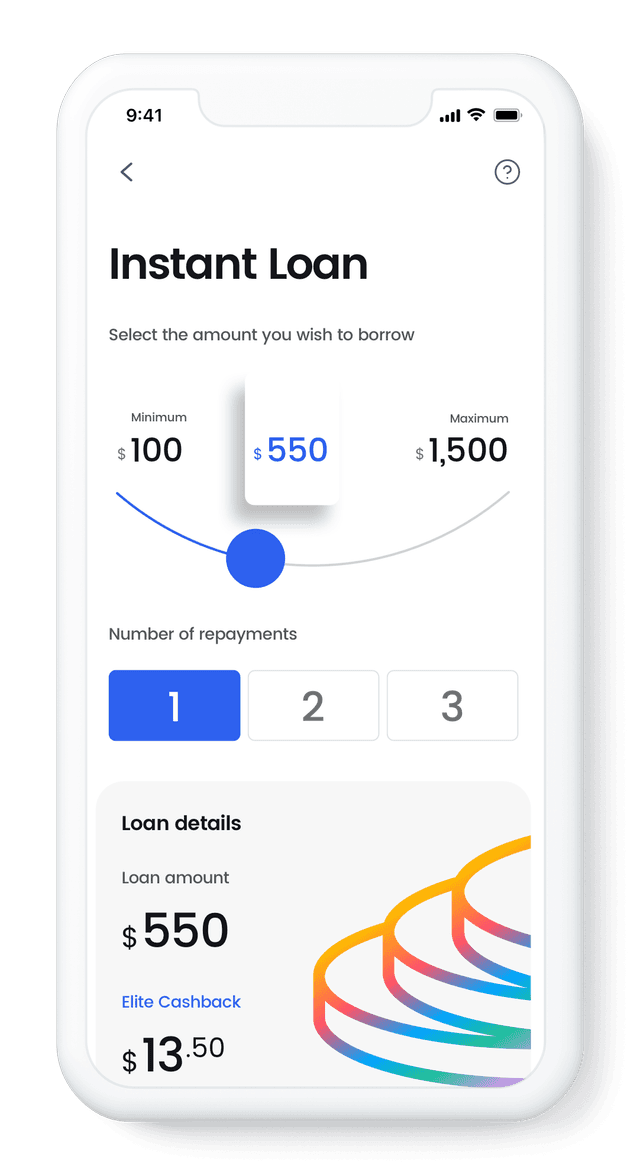
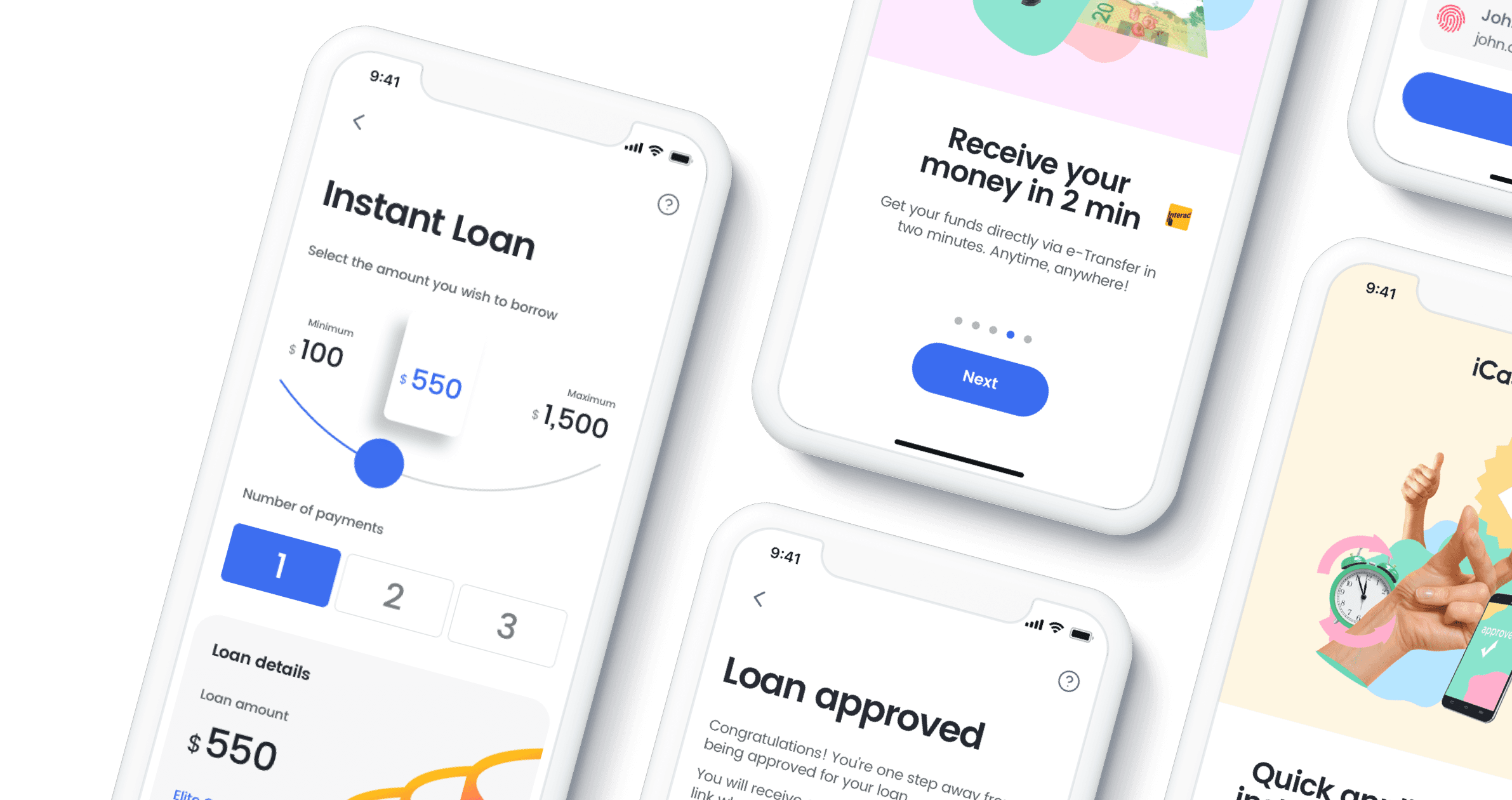
iCash is a licensed online lender operating under provincial consumer protection regulation in every province it serves. The company offers short-term travel loans from $100 to $1,500, with instant decisions available 24/7.
The cost is transparent:
$14 per $100 borrowed
Example: Borrow $300, repay $342
Approved funds are sent by e-Transfer in as little as 2 minutes.
Hard credit checks apply only to the first loan. Subsequent applications are exempt from additional credit checks.
Approval is not guaranteed, and conditions apply. iCash only offers one loan at a time.
For additional budgeting and borrowing guidance, Canadians can also review resources from the Financial Consumer Agency of Canada.
[CTA: Get a travel loan with iCash — up to $1,500, e-Transfer in 2 minutes → icash.ca/holiday-vacation-loans]
Quick Trip Budget Planner: Sample Budget for a 5-Day Canadian Trip
Here is a realistic example for a solo traveller flying from Toronto to Vancouver for 5 days.
Category | Low Estimate | Mid Estimate | High Estimate |
Roundtrip Flight | $350 | $650 | $1,000 |
Accommodation | $500 | $1,100 | $2,000 |
Local Transportation | $75 | $180 | $350 |
Food | $225 | $500 | $950 |
Activities | $100 | $350 | $700 |
Contingency Buffer | $150 | $300 | $600 |
Estimated Total | $1,400 | $3,080 | $5,600 |
This is why planning early matters so much. A trip that initially “feels affordable” can easily double once all categories are included.
Trip Budget Planner FAQs
How much should I budget for a trip in Canada?
Most Canadian trips cost between $1,500 and $3,000 per person for domestic travel, depending on destination, season, and travel style. Flights and accommodations usually make up the largest portion of the budget.
What is the best way to plan a trip budget?
The best approach is to set a total spending limit first, then divide it into categories like transportation, accommodations, food, activities, and contingency savings. Tracking spending during the trip also helps prevent overspending later.
How do I handle unexpected costs while travelling?
Build a contingency fund equal to roughly 10–15% of your trip budget. This helps cover things like delays, transportation changes, medical expenses, baggage fees, or higher-than-expected food costs.
Can I get a loan to fund a vacation in Canada?
Yes. Some Canadians use short-term financing to help cover travel gaps, emergency travel, or time-sensitive bookings. iCash offers licensed short-term travel loans from $100 to $1,500 with transparent pricing of $14 per $100 borrowed.