Menu
Date Published: March 31, 2026 (Updated October 2, 2026)
Table of contents :
Key Takeaways

Cash advance apps can cost 15–25% in fees for two-week advances
"No interest" doesn't mean free—mandatory tips and subscriptions add up
Payday loans in Canada are capped at $14 per $100 borrowed
Transparent installment loan terms can offer lower total costs with clear payment schedules
Understanding true costs helps you choose safer options and protect your credit score
Canadian regulations protect you—know your rights before you pay
A cash advance app lets you borrow a small amount of money (usually between $50 and $500) before your next paycheque arrives. They're marketed as quick, interest-free ways to cover a gap when you're running low on money. Sounds great, right?
But cash advance apps aren't licensed lenders, they're not credit-building tools, and they're generally not designed for anything over $750. Most operate as "earned wage access" or "tip-based" services — similar to platforms like WagePay — which means they sit in a regulatory grey area with far fewer consumer protections than a provincially licensed lender.
There's also a timing misconception worth clearing up. Your first advance on a new cash advance app account typically takes 1–3 business days, not minutes. Want it faster? That's where express fees, instant transfer charges, and other add-ons start piling up.
"No interest" doesn't actually mean "free." Between mandatory tips, monthly subscriptions, and speed-related surcharges, a $250 loan from a cash advance app can quietly cost you $40 or more. The good news? There are real cash advance alternatives out there, and once you understand how cash advance fees actually work and what the terms look like, you'll be in a much better position to make smarter borrowing decisions.
Not all cash advance apps make money the same way, and that difference can seriously affect how much you actually end up paying.
While a lot of these platforms love to promote "interest-free" borrowing, they typically rely on alternative fee structures that fall into three main categories: optional tipping, subscription-based access, and hybrid models that combine multiple charges. Let's break each one down so you know exactly what you're looking at.
Some apps let you access funds without any mandatory fees. Instead, they encourage you to leave a "voluntary" tip after you receive your advance. Sounds harmless, right?
In theory, tipping is totally optional. But suggested amounts can range from 5% to 15% of whatever you borrow, and over time, regularly going along with those suggestions can make the cost of borrowing comparable to (or even higher than) traditional interest. On top of that, these platforms may also charge an extra fee if you want your money faster than the standard 1–3 business day wait.
Other apps take a different approach: they charge a fixed monthly subscription fee just to unlock borrowing features. That means you're paying whether you actually use the service or not.
Monthly costs typically range from a few dollars to over $10, which can add up to a meaningful annual expense. The trade-off? These apps may offer more predictable pricing and access to additional tools like budgeting features or credit-building support. But if you only borrow once or twice, that subscription can make each advance surprisingly pricey.
Then there are platforms that combine a monthly fee with added services, positioning themselves as broader financial wellness tools rather than just lending apps. Borrowing might be bundled with credit monitoring, reporting, or other perks.
While that can provide extra value, it also means the true cost of a cash advance is tied to your overall membership — not just the advance itself.
A $250 advance can look very different depending on which model you're dealing with.
Tip-based system: Your cost depends on what you choose to contribute and whether you pay for faster access.
Subscription model: The cost is really tied to how often you borrow. If you only use it once or twice, each advance gets relatively expensive.
Hybrid systems: You're paying for access to a broader financial product, not just the loan.
KEY TAKEAWAY: "Interest-free" doesn't mean cost-free. Understanding how each model works is the only way to accurately compare your options and avoid paying more than you expected.
Feature | Cash Advance App | Payday Loan |
Typical Cost (for $300) | $45 to $65 in fees | $42 ($14 per $100 borrowed) |
Repayment | 1 lump sum | 1 lump sum, but installments may be possible depending on provincial regulations |
Hidden Fees | Yes (tips, subscriptions, express fees, etc.) | No (regulated, and legit lenders will be fully transparent about fees upfront, before you sign anything) |
Credit Check | No | Yes (solely for verification - not part of eligibility criteria) |
Regulation | Minimal | Provincial + federal laws |
Consumer Protections | Limited | Cooling-off period, fee caps, complaint process |
The big difference? Payday loans in Canada are provincially and federally regulated.
When you borrow from a licensed payday lender, you know exactly what you're paying before you sign anything. Cash advance apps, on the other hand, often operate in a regulatory grey area as "wage access" services, which means fewer consumer protections for you.
What it is: A provincially licensed lender that offers short-term loans online, with regulated fees, installment options, and credit reporting.
Who it's for: Canadians who need more than apps can offer, want installment payment options, or want borrowing to build credit.
Example: iCash — licensed in AB, ON, BC, MB, NB, NS, PEI; loans up to $1,500; flat fee of $14 per $100; funds sent via Interac e-Transfer within minutes after approval; reports to Equifax Canada Co.
Credit check note: iCash conducts a one-time credit check on your first loan application. All subsequent loans are exempt from any credit check. Because iCash reports positive payments to Equifax Canada Co., on-time payment can improve your credit score over time — cash advance apps do not offer this.
Cost transparency: Borrow $300, repay $342 total. No subscription. No tip prompt. Full cost shown before you confirm.
Learn more about iCash | Why Canadians choose iCash
What it is: Federal and provincial programs that provide financial assistance during periods of job loss, disability, or emergency — including Employment Insurance (EI), provincial emergency assistance, and other support programs.
Pros: No money to pay back in most cases; no interest; no credit check.
Cons: Eligibility requirements vary; processing times can take weeks; not designed for same-day needs.
Best for: Canadians facing a longer-term financial gap or loss of income due to job loss, illness, or emergency circumstances.
Where to check: Canada.ca for a full list of available benefits.
What it is: A fixed-amount loan from a bank, credit union, or online lender with structured monthly payment plans and predictable interest rates.
Pros: Lower rates than cash advance apps (for borrowers with fair credit); larger amounts available; builds credit through reported payments.
Cons: Requires a credit check; approval can take a few days; not ideal for very small or very short-term needs.
Best for: Larger expenses that need several months to repay.
What it is: A revolving credit facility where you only borrow what you need and only pay interest on what you use.
Pros: Flexible borrowing and payment terms; great for recurring or short-term budget gaps; typically lower rates than credit cards.
Cons: Requires approval and a credit check; variable interest rates may apply; not instant if you don't already have one set up.
Best for: Canadians with an existing line of credit who need flexible, ongoing access to funds.
What it is: Credit cards that offer promotional 0% interest periods on balance transfers, letting you move existing debt to a lower-cost card.
Pros: Can be one of the cheapest ways to manage short-term debt if paid off during the promo period.
Cons: Transfer fees of 1–3% usually apply; regular interest rates kick in after the promotional period; requires an existing or approved credit card.
Best for: Someone with existing short-term debt who has a plan to pay it off within the promotional window.
What it is: Organizations like the United Way and local community services that offer emergency funding, food assistance, and utility bill support.
Pros: Free; nothing to pay back; designed for people in financial hardship.
Cons: Availability varies by region; may require documentation or intake process; not designed for speed.
Best for: Canadians in financial hardship who need support beyond borrowing.
What it is: A loan that lets you spread payment over weeks or months instead of repaying in one lump sum.
Pros: Easier to budget around; reduces risk of falling into a debt cycle; available through licensed lenders like iCash, depending on your province.
Cons: Total cost may be higher tha-n a single lump-sum loan; still requires meeting eligibility criteria.
Best for: Borrowers who need breathing room on payment schedules and want to avoid the lump-sum trap of traditional payday loans and cash advances.
✓ Full cost disclosure BEFORE you apply for any loan
✓ No mandatory tips or hidden subscriptions
✓ Installment payment options (if available in your province)
✓ Licensed and regulated in your province
✓ No early payment penalties
✓ Clear loan terms with no surprises
So what makes iCash different from the apps we just talked about? It comes down to transparency, and we mean actual transparency, not the marketing buzzword kind.
Feature | Cash Advance Apps | iCash |
Max Advance | $350 to $750 | Up to $1,500 |
Interest | 0% (other fees may still apply) | $14 per $100 (regulated by the Government) |
Monthly Fee | Varies. Can be anywhere from $2.99 to $11.99 or more | None |
Credit Check | None | A check is conducted during your first loan only, and only for verification purposes. |
Credit Reporting | No | Yes |
Funding Speed | 1–3 business days (standard) | Minutes via Interac e-Transfer after approval |
Repayment Options | Lump sum next payday | Lump sum OR installment options (conditions apply) |
Regulation | Not a licensed lender | Licensed under provincial consumer protection law |
Provinces | Varies | AB, ON, BC, MB, NB, NS, PEI |
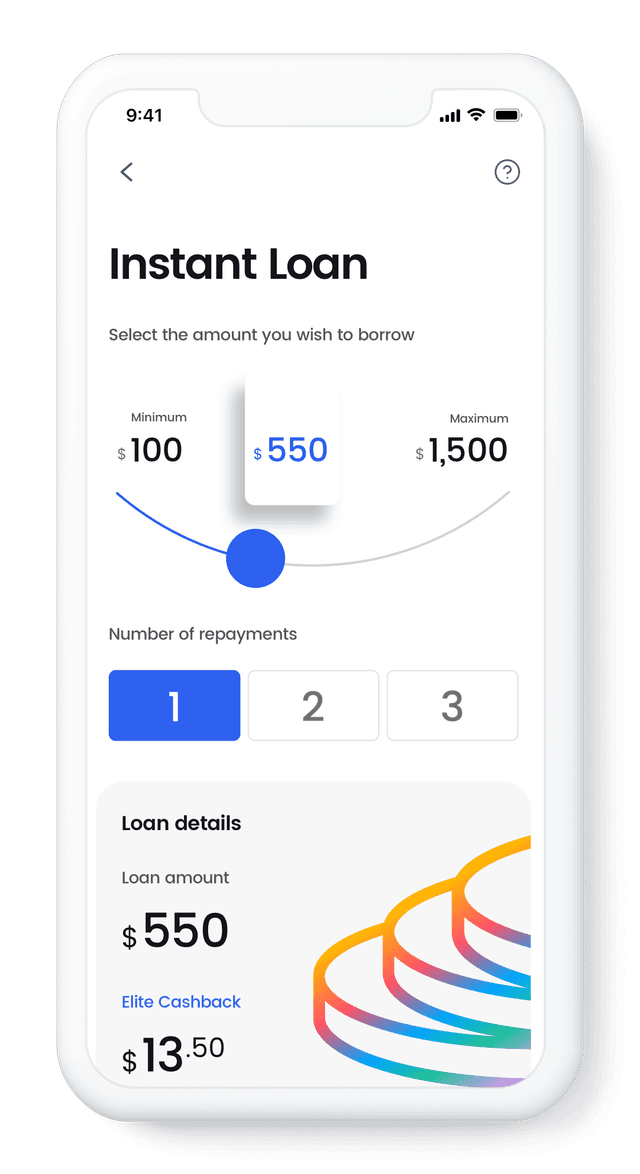
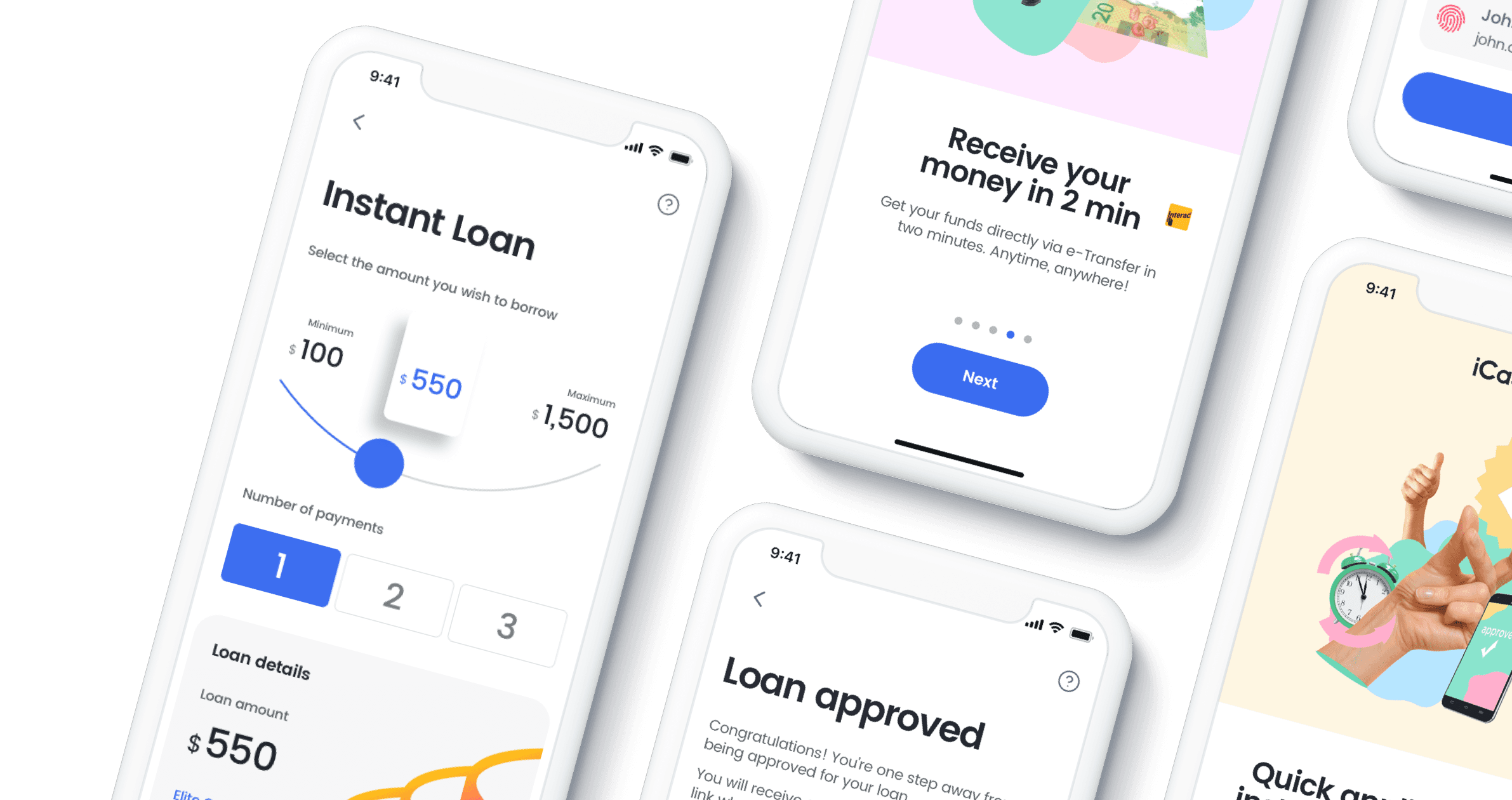
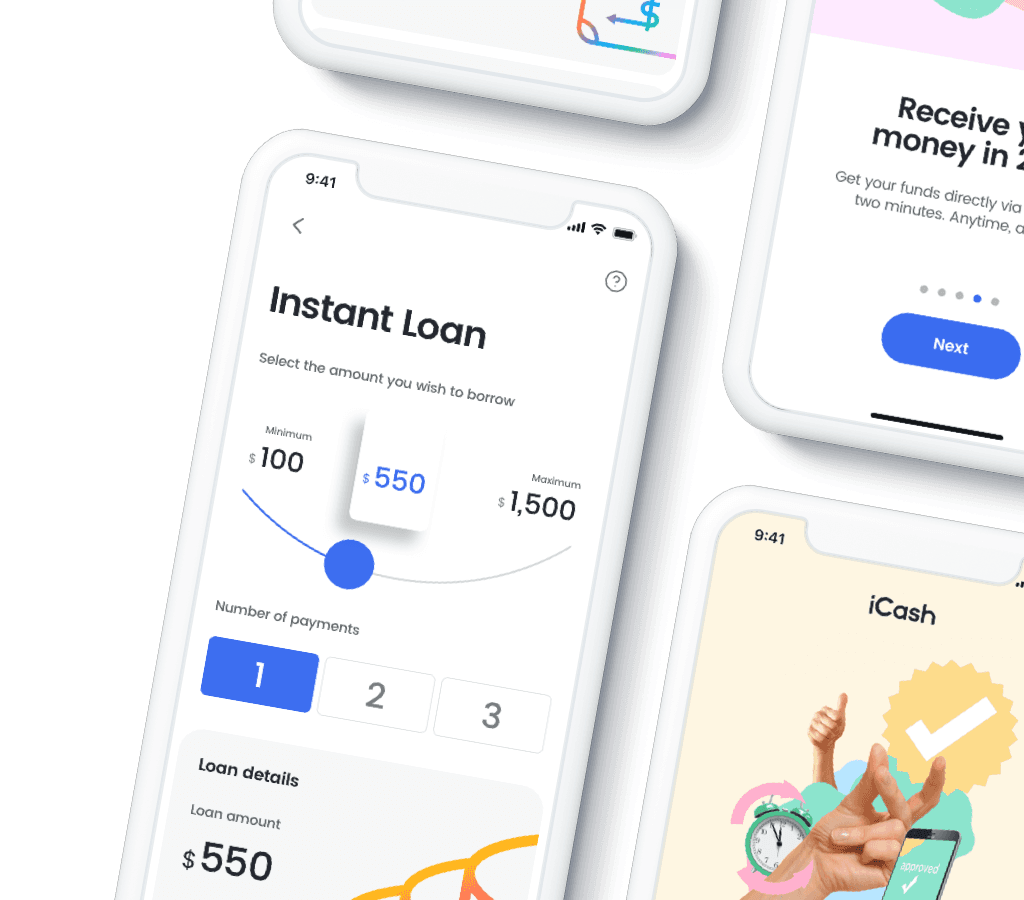
Getting an online loan with us is fast and easy. Simply select your loan amount, repayment plan* and provide some personal details.
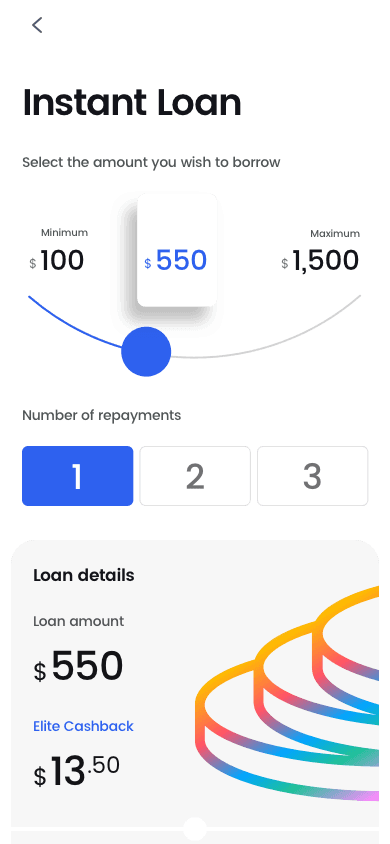
Our online loan application will tell you if you’re approved instantly. Once approved, all you have to do is electronically sign your contract. It’s that easy!
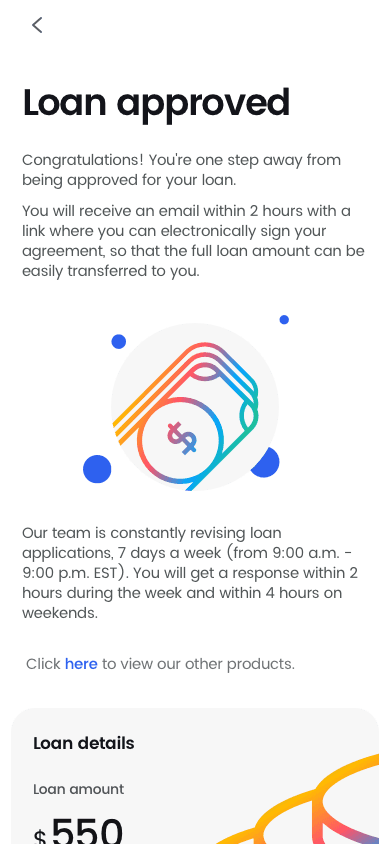
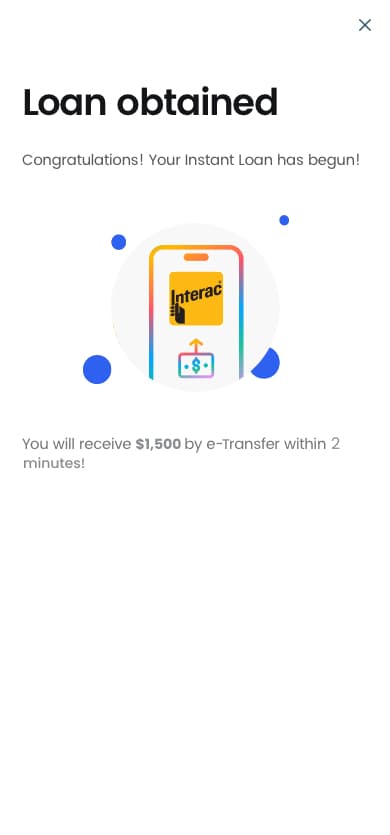
Once you sign your digital agreement, your cash advance will be sent by Interac e-Transfer® within 2 minutes. Fast, convenient and hassle-free. Funds are sent 24/7, no matter what.
Whether you're using an app or applying for a payday loan alternative, you have rights. Here's what every Canadian borrower should know:
Under Canada's Cost of Borrowing Regulations, lenders must provide full disclosure before you sign anything. This includes the total cost in dollars and as a percentage, your complete payment schedule, and the APR. If a lender isn't giving you this information upfront, that's a red flag — you should know exactly what you'll pay before committing to any loan.
As of January 2025, the federal government capped payday loan costs at $14 per $100 borrowed nationwide. This replaced the patchwork of provincial caps that previously went up to $23 per $100. This standardization means you pay the same rate on any payday loan, whether you're in Ontario, Alberta, or BC.
Clear, upfront pricing is mandatory
A 2-day cooling-off period in most provinces (you can cancel without penalty)
Protection from harassment during repayment
The ability to file complaints with provincial regulators
For more information about your rights, visit the FCAC's payday loan resource page.



Since 2016, we've helped over 1.6 millions Canadians get instant loans online.
Since 2016, we've helped over 1.6 millions Canadians get instant loans online.
Read more reviews.
Have more questions? Check out our full FAQ.

Thinking about a KOHO cash advance? Learn how Cover works, its fees and $250 limit, and how it compares to licensed payday loans up to $1,500 from iCash.... Read more

Learn how to get an instant $100 cash advance in Canada, including how it works, typical fees, eligibility, and what to consider before applying... Read more