

If you’ve ever considered a cash advance, you’ve probably noticed something confusing about the fees. Everyone uses the same words, but the fees can look completely different from one lender to the next.
Some charge a monthly subscription, others charge interest immediately. More predatory lenders will show one number upfront, but add costs later once your payments are due. So it’s not always clear what you’re actually going to pay.
The truth is that “cash advance” is used to describe three different financial products in Canada:
Credit card cash advances
Each one charges fees differently, and that makes it hard to compare them accurately.
This guide breaks down how each type works, what fees you can expect, and what you’re really paying in the end. We’ll also show exactly what iCash charges and why transparency matters when borrowing money.
iCash is a licensed online lender regulated under provincial consumer protection law, and the full cost of borrowing is shown before you sign anything. No subscriptions, no tips, no transfer fees — just a clear borrowing fee upfront.
What Is a Cash Advance Fee — and Why Does It Matter?
A cash advance fee is the cost you pay to borrow money quickly. The confusion starts because the same term is used for very different products. When you see “cash advance,” it could mean:
Taking cash from your credit card
Using a cash advance app
Borrowing from a licensed payday lender
Each one charges differently, and that directly affects how much you repay.
For example:
A credit card charges a transaction fee and interest right away
A cash advance app charges a subscription and transfer fees
A payday lender charges a flat borrowing fee
At first glance, some options look cheaper than others. But once you add all the fees together, the total cost can look very different. That’s why understanding the cash advance fee structure matters. It helps you see the real cost before you borrow, not after.

Cash Advance App Fees — What the Subscription Really Costs
Cash advance apps look simple at first. You download the app, connect your bank account, and request a small advance. But the cost is built into several layers.
Take a look at this breakdown of all the potential fees these lenders charge:
Fee Type | Typical Range |
Monthly subscription | $2.99–$11.99/month (auto-renews) |
Instant transfer fee | Varies by advance amount — charged separately from subscription |
"Tip" prompt | Optional but pre-selected; effectively pressured |
Standard delivery | Free — but 1–3 business days (not helpful in emergencies) |
Advance limit | $50–$750 for most apps |
What this means in real life
If you take a $100 advance and pay a $2.99 monthly subscription, the total cost is nearly 36% annually before any other fees or charges. You are continually paying for access to the service, not just the advance.
Certain apps require users to pay a subscription fee before they know whether they qualify, meaning you could pay and still not receive any funds. Additionally, these services may automatically apply a pre-selected tip, so users who don’t check may unknowingly be “tipping” the lending service on top of both the subscription and transfer fees.
Another important point: the FTC has taken action against some cash advance app providers for unclear subscription and fee disclosures, especially in cases where users struggled to cancel or were charged without clear consent.
This doesn’t apply to every app, but it shows why reading the full cost breakdown matters before signing up.
Credit Card Cash Advance Fees — More Layers Than You Think
Credit card cash advances are often seen as the easiest option because you already have the card. But the fee structure is more complex than many people realize.
Fee Type | Typical Cost in Canada |
Transaction fee | $5–$10 per advance (CIBC: $5 domestic, $7.50 international) |
Cash advance APR | 22.99%–29.49% — starts immediately, no grace period |
ATM operator surcharge | $2–$5 per withdrawal (if non-bank ATM) |
Foreign conversion fee | Applies to international advances |
No rewards earned | Points/cashback do not apply to cash advances |
The hidden detail many people miss
Some transactions are classified as cash advances even if you never withdraw cash.
These can include:
Money orders
Wire transfers
Lottery tickets
Some prepaid card purchases
Certain online payment transfers
When a transaction is classified as a cash advance, it incurs the same fees and interest as other cash advances. It's important to note that cash advances come with no grace period; interest begins to accrue immediately after you take out the advance, even if you pay off your balance in full.
That’s why credit card cash advances can end up costing more than expected, especially if repayment takes time.
What Does iCash Charge — and What Does It Not Charge?
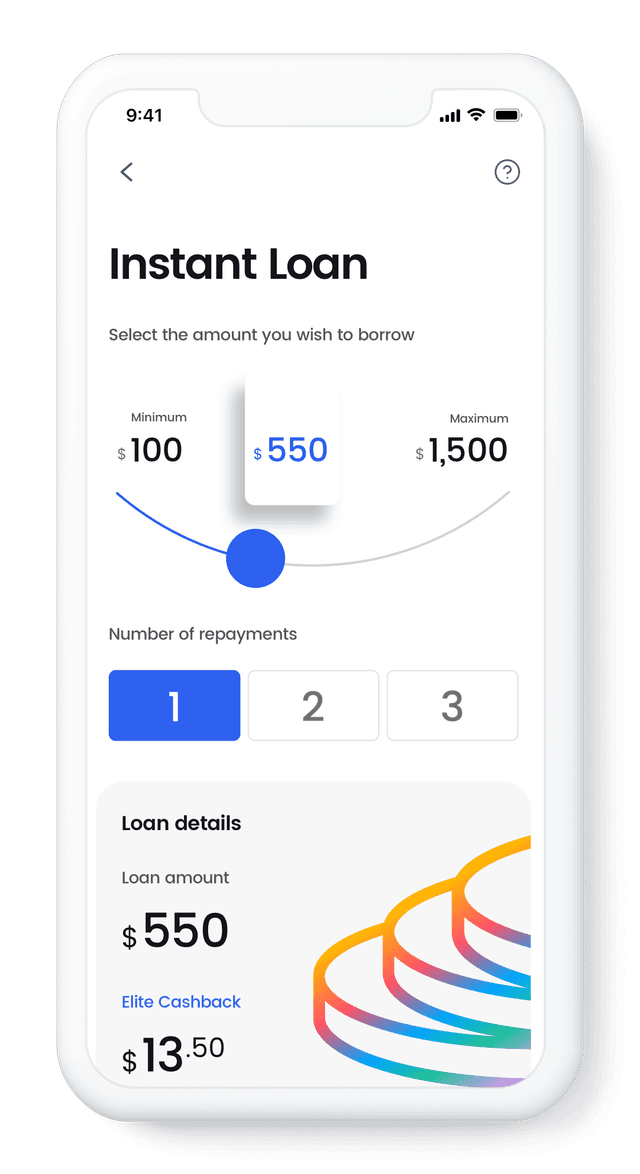
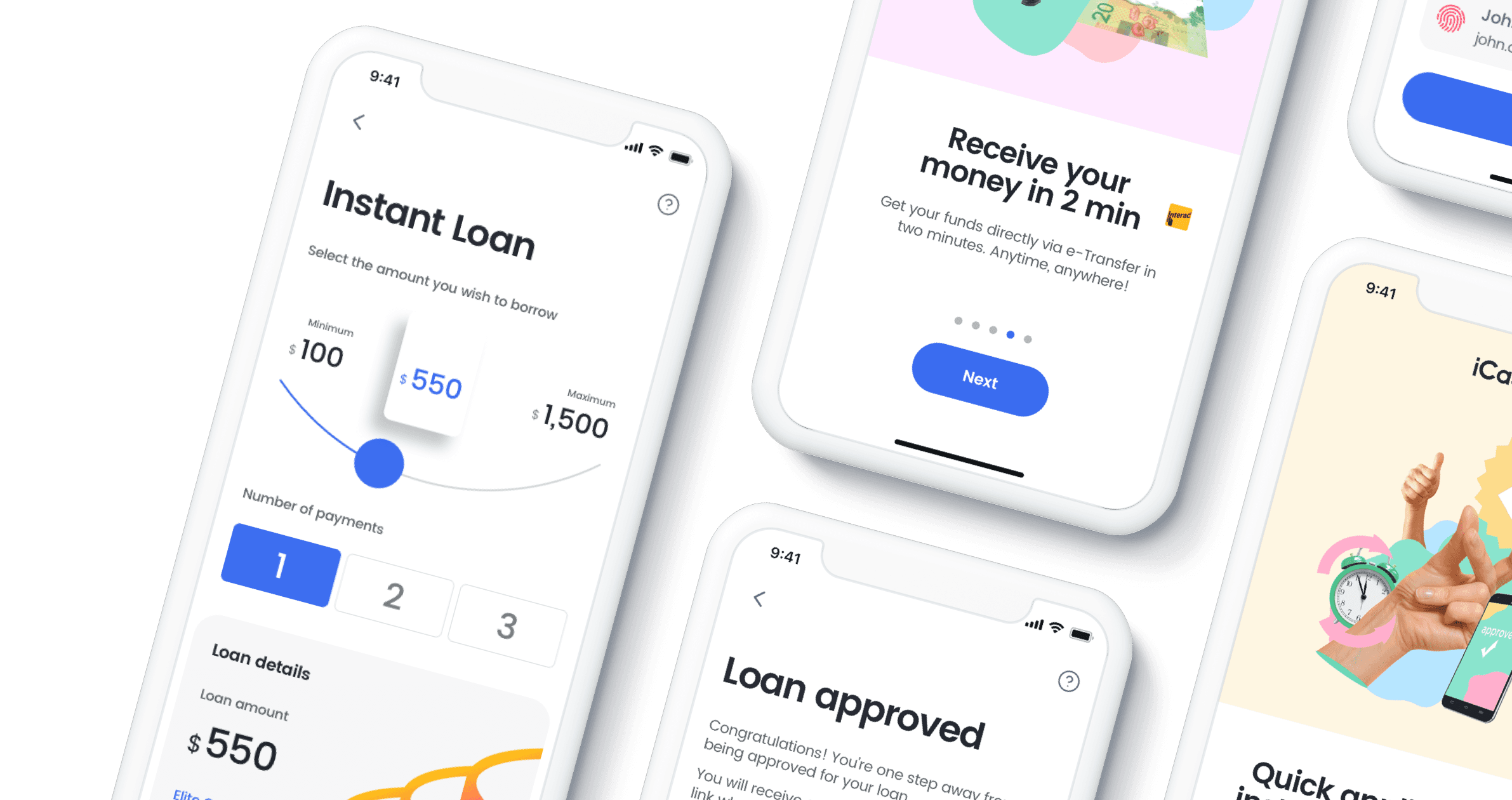
iCash keeps the pricing simple and transparent. There is one flat borrowing fee and no extra charges. Funds are sent via e-Transfer, typically within 2 minutes of approval.
What iCash charges
Fee Type | Amount |
Borrowing fee | $14 per $100 |
Subscription | None |
Instant transfer fee | None |
Tip prompt | None |
Early repayment fee | None |
Hidden fees | None |
You see the full repayment amount before signing the agreement.
iCash Repayment examples
Loan Amount | Fee | Total to Repay |
$100 | $14 | $114 |
$300 | $42 | $342 |
$500 | $70 | $570 |
$1,000 | $140 | $1,140 |
$1,500 | $210 | $1,710 |
Additional iCash features
Installment repayment available for up to 62 days(this option is not available in all provinces* )
Early repayment allowed with no penalty
Fully online application
Cashback and referral programs available
Equifax disclaimer: Credit reporting is part of the iCash Credit Health program and may vary by province and eligibility.
Credit check disclosure: iCash conducts a one-time hard credit check on your first loan application. All subsequent loan applications are exempt from any credit check.
Cash Advance Fee Comparison — Credit Card vs App vs iCash
Here’s a simple comparison using a $500 advance.
Product | $500 Advance Example Cost |
Credit card | ~$10 transaction fee + ~$10 interest after 30 days (more if repayment takes longer) |
Cash advance app | $2.99–$11.99 monthly subscription + $5–$15 instant transfer |
iCash payday loan | $70 flat fee, no other charges |
Key differences
Credit cards, cash advance apps, and short-term lenders all give you quick access to money, but they work very differently when it comes to cost and repayment.
Credit cards are convenient, but interest builds daily if the balance isn’t paid off, which can make the total cost harder to predict. Cash advance apps often promote no-interest offers, but they usually charge monthly subscription fees and instant transfer fees that can add up over time.
With iCash, the cost is shown upfront with a fixed repayment amount, so you know exactly what you’ll pay before accepting the loan. There are no ongoing subscription fees or compounding interest, which makes it easier to plan and manage repayment.
Understanding these differences helps you choose the option that fits your situation and comfort level with fees, speed, and repayment structure.
Important transparency note
At a 365% APR equivalent, iCash is not the cheapest borrowing option if you have access to:
a line of credit
a personal loan
or low-interest credit
There are a variety of tools and resources Canadians can consider when borrowing. iCash is designed for situations where fast access to cash is needed, and other options are unavailable, while keeping fees clear and fixed upfront.
FAQ — Cash Advance Fees in Canada
What is the cash advance fee on a credit card in Canada?
A credit card cash advance fee includes a transaction fee and immediate interest. Interest starts the day you withdraw the money, and ATM or foreign fees may also apply.
Do cash advance apps charge hidden fees?
Some apps charge subscriptions, instant transfer fees, or optional tips that increase the total cost. Always review the full pricing before signing up.
What does iCash charge for a cash advance?
iCash charges $14 per $100 borrowed with no subscriptions, transfer fees, or hidden costs. The full repayment amount is shown before signing.
Is a payday loan cheaper than a credit card cash advance?
It depends on how quickly the credit card is repaid. A payday loan has a fixed cost upfront, while credit card cash advance interest grows over time.
Are there any cash advances with no fees in Canada?
No financial product offers completely free cash advances. Every option includes some form of fee, interest, or subscription cost. The key difference is how clearly those fees are disclosed. Compare all your cash advance alternatives in Canada."