


A cash advance on a credit card allows you to borrow cash against your available credit limit. Unlike a regular credit card purchase, a cash advance typically starts accruing interest immediately and usually comes with an upfront fee. You can access a cash advance through an ATM, at a bank branch, or by transferring funds from your credit card account. Credit card issuers treat cash advances differently from purchases because they involve direct access to cash rather than buying goods or services.
If you're comparing borrowing options, it's also worth understanding the differences between credit card cash advances, cash advance apps, and short-term loans before making a decision. For a side-by-side look at how these options stack up on cost and speed, see our full comparison of cash advances, apps, and short-term loans.


Key Takeaways

What it is: A cash advance lets you withdraw cash using your credit card rather than making a purchase.
The cost structure: Most Canadian credit cards charge an upfront cash advance fee plus a higher interest rate than regular purchases.
Real dollar impact: A $500 cash advance can cost significantly more than many borrowers expect because interest starts immediately.
More triggers than you think: ATM withdrawals are not the only transactions treated as cash advances.
Credit score effect: A cash advance does not directly lower your credit score, but carrying higher balances can affect your credit utilization ratio.
There is a cheaper option: Depending on the amount and repayment timeline, a licensed short-term loan may cost less than a credit card cash advance.
How Does a Cash Advance Work on a Credit Card?
A credit card cash advance uses a separate cash advance portion of your overall credit limit. Once you access the funds, interest begins accumulating immediately. Unlike purchases, there is usually no interest-free grace period.
Most Canadian credit cards offer three ways to access a cash advance:
ATM withdrawal
Bank branch withdrawal
Online transfer to a bank account
The money becomes debt on your credit card account and must be repaid according to your card's terms.
What Counts as a Cash Advance?
Many Canadians assume only ATM withdrawals count as cash advances. In reality, several transactions can trigger cash advance treatment.
Common examples include:
ATM cash withdrawals
Cash withdrawals at a bank branch
Transfers from your credit card to your bank account
Balance transfers from one credit account to another
Convenience cheques issued by your card provider
Money orders and wire transfers made using your credit card
Gambling and casino transactions
Sports betting deposits
Lottery purchases through certain channels
Foreign currency cash purchases
Some prepaid card, gift card, or cryptocurrency purchases
The exact rules vary by card issuer, so it is always worth reviewing your cardholder agreement before completing a transaction.
Your Cash Advance Limit vs. Your Credit Limit
Your cash advance limit is often lower than your overall credit limit.
For example, you might have:
Total credit limit: $5,000
Cash advance limit: $1,500
Even though you have access to $5,000 in credit, you may only be able to withdraw up to $1,500 as cash. The exact amount depends on your credit card issuer and account history.
What Is a Cash Advance Fee on a Credit Card?
The biggest surprise for many borrowers is how many costs can apply to a credit card cash advance.
You are often paying several layers of charges at the same time:
An upfront cash advance fee
A higher cash advance interest rate
ATM or network fees
Immediate interest accrual with no grace period
Typical Cash Advance Costs in Canada
Cost Type | Typical Canadian Range |
Cash advance fee | $3–$10 or 1%–5% of the amount |
Cash advance interest rate | 21.99%–29.99%+ APR |
ATM or network fee | $2–$5+ |
Interest-free grace period | None |
The absence of a grace period is what catches many people off guard.
With a normal purchase, you may have 21 days or more before interest begins. With a cash advance, interest usually starts the moment the transaction is processed.
That means even if you repay the balance relatively quickly, interest charges still accumulate from day one.
How Payments Are Applied to a Cash Advance Balance
Under Canada's Credit Business Practices Regulations, federally regulated card issuers must apply any amount you pay above your minimum monthly payment to your highest-interest balance first. Since a cash advance usually carries the highest rate on your card, extra payments typically go toward clearing the cash advance before they touch lower-rate purchase balances — so paying more than the minimum, even by a little, can meaningfully cut down how long the cash advance interest keeps accruing.
How to Get a Cash Advance on a Credit Card
Most Canadian credit cards offer three ways to access a cash advance.
Option 1: ATM Withdrawal
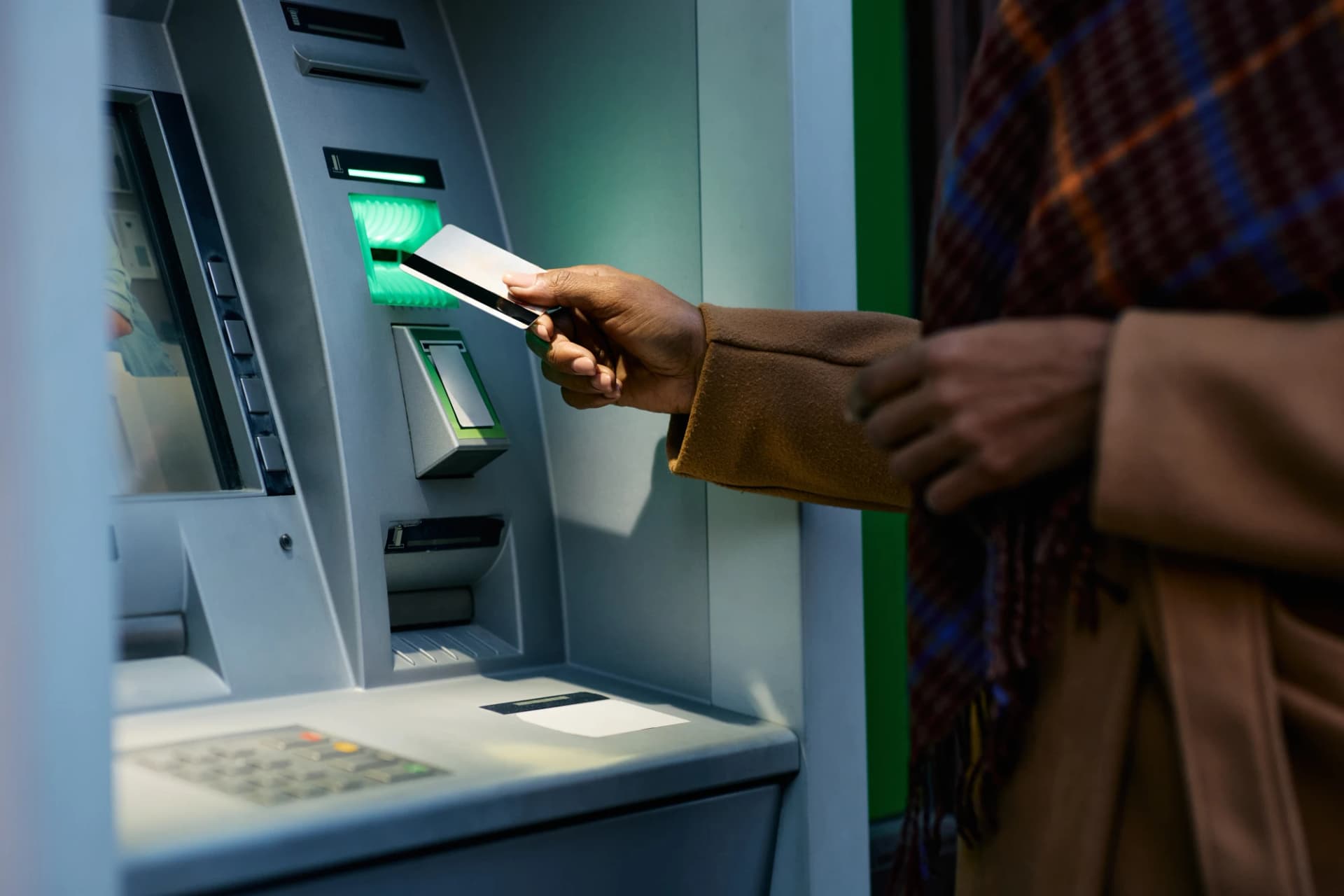
The most common method is withdrawing cash directly from an ATM.
Option 2: Bank Branch Withdrawal
Many banks allow cardholders to withdraw cash directly from a teller.
Option 3: Online Transfer
Some credit card issuers allow funds to be transferred directly into a chequing account.
Step-by-Step: Getting a Cash Advance at an ATM
Insert your credit card into a compatible ATM.
Enter your cash advance PIN.
Select the cash withdrawal option.
Enter the withdrawal amount.
Review any applicable fees.
Complete the transaction and collect your cash.
If you do not know your cash advance PIN, you may need to contact your card issuer before using this method.
Is a Credit Card Cash Advance Worth It in Canada?
For a true emergency, a cash advance can provide quick access to money. The question is whether the convenience justifies the cost.
Let's look at a realistic example.
Credit Card Cash Advance Example
Borrowed amount: $500
Cash advance fee: $10
Cash advance APR: 24.99%
Daily interest rate: 24.99% ÷ 365 ≈ 0.068% per day
Daily interest on $500: about $0.34
Here's how the total cost grows the longer the balance is carried:
Days Carried | Interest Accrued | Fee | Total Cost | Total Repayment |
14 days | ~$4.79 | $10 | ~$14.79 | ~$514.79 |
30 days | ~$10.27 | $10 | ~$20.27 | ~$520.27 |
60 days | ~$20.54 | $10 | ~$30.54 | ~$530.54 |
90 days | ~$30.81 | $10 | ~$40.81 | ~$540.81 |
Unlike a fixed-fee loan, this cost has no ceiling — it keeps accruing daily for as long as the balance is outstanding.
iCash Comparison
Borrowed amount: $500
Fee: $70 ($14 per $100 borrowed)
Total repayment: $570 — fixed, regardless of the exact repayment date within your loan term
The honest comparison
For this $500 example, a credit card cash advance stays cheaper than iCash's fixed fee for roughly the first 175 days of carrying the balance — that's how long it would take for the cash advance's fee-plus-interest to add up to $70. In practice, that means:
If you already have the available credit and can repay within weeks, a credit card cash advance is usually the lower-cost option.
A fixed-fee loan like iCash tends to make more sense when you don't have a credit card or enough available credit limit to cover the amount you need, when you'd rather know the exact total upfront instead of a cost that keeps climbing the longer repayment takes, or when you want to avoid tying up your credit card's available limit and pushing up your credit utilization.
The right option depends on your situation, how quickly you can repay, and whether you prefer revolving credit with a lower short-term cost or a fixed-cost loan with a known, capped total.
iCash is a licensed lender operating under provincial consumer protection regulation in every province it serves. Loans range from $100 to $1,500. Approved funds are sent by e-Transfer. Borrowers receive a clear repayment amount before accepting the loan.
A Simpler Alternative: iCash Online Loans
For Canadians who don't have a credit card cash advance available to them, or who want to know the total cost upfront without it changing based on when they repay, iCash offers a fixed-cost alternative to revolving credit.
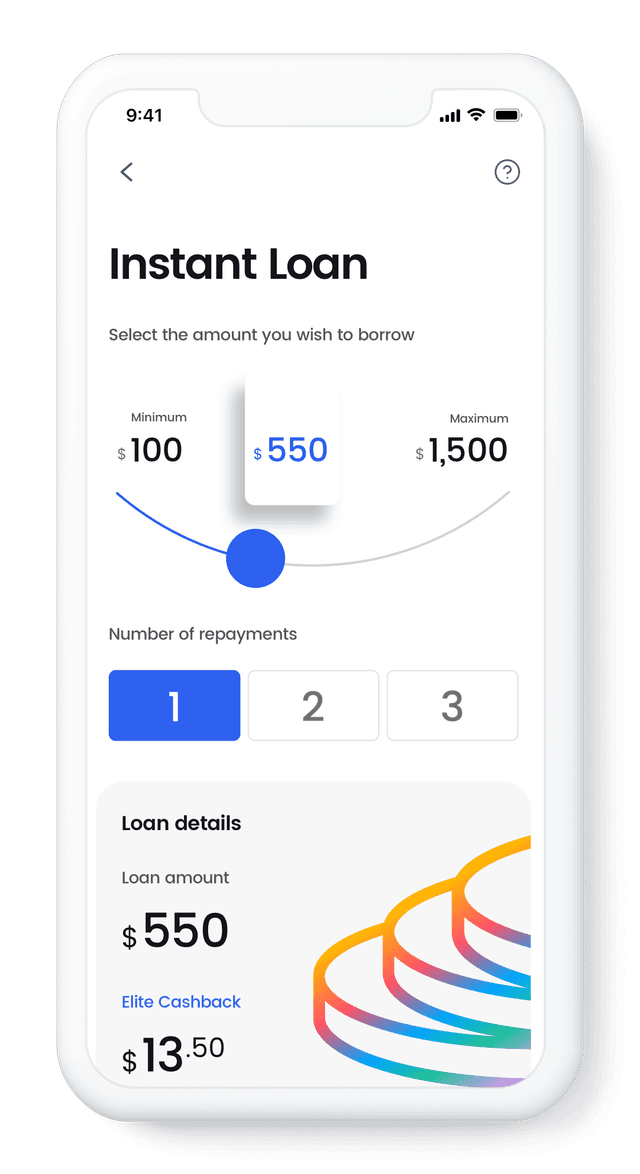
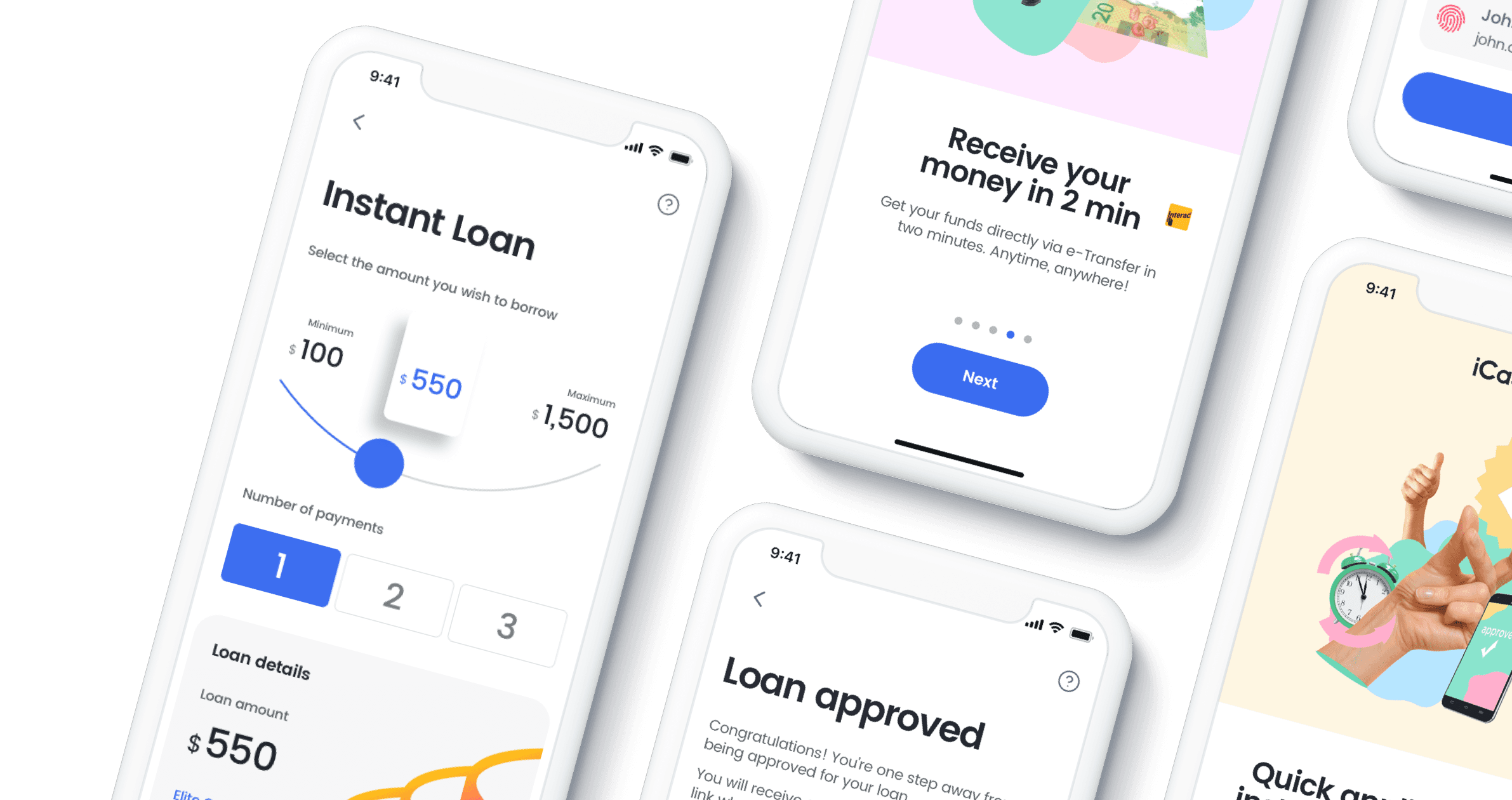
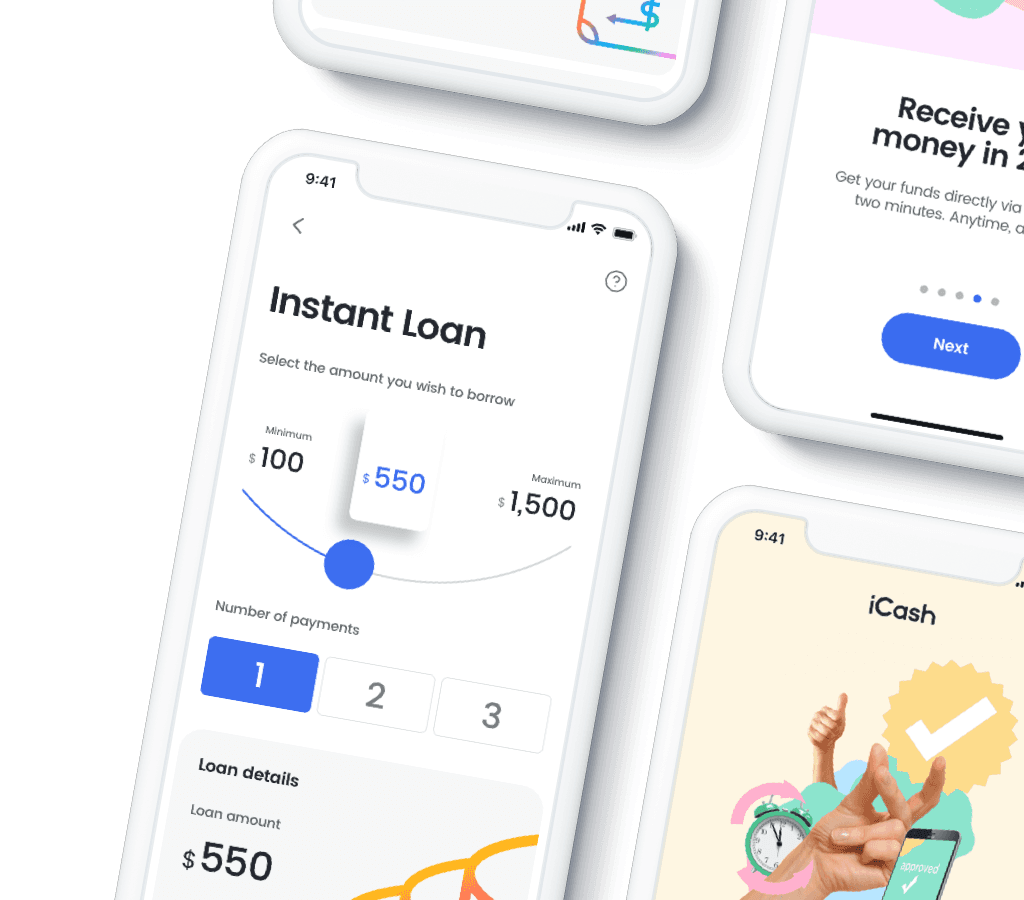
iCash is a licensed online lender that provides short-term loans from $100 to $1,500.
Key features include:
Online application available 24/7
Instant decision
Funds sent by e-Transfer, often within 2 minutes
Transparent fee of $14 per $100 borrowed
No subscription fees
Clear repayment amount before acceptance
How It Works
Step 1: Apply Online
Complete the online application from your phone, tablet, or computer.
Step 2: Receive an Instant Decision
Your information is reviewed and eligibility is assessed.
Step 3: Receive Funds by e-Transfer
Approved funds are typically sent within approximately 2 minutes. Before borrowing, review the total repayment amount carefully and ensure it fits your budget.
For more information, visit the iCash guide on how borrowing works and responsible borrowing practices.
An Important Note On Borrowing Responsibly and Avoiding The Debt Cycle
It’s easy for short‑term borrowing to spiral into long‑term debt. High fees or compounding interest can trap people in cycles where each loan is taken just to cover the last one. That’s why it’s important to pause and confirm the basics before borrowing.
Key checks:
Total cost — know the fees, APR, and how interest adds up.
Repayment timeline — be realistic about when you can repay it.
Lender terms — fees and rates vary by issuer.
Alternatives — personal loans or payment extensions may be cheaper.
Credit impact — late payments hurt your score, so borrow only what you can repay.
After doing the numbers, if everything works out, then a short-term loan can be an effective tool to bridge a budgeting or cash flow gap. Borrowing responsibly helps you reach long-term financial goals.
Frequently Asked Questions
What does a cash advance mean on a credit card?
A cash advance allows you to borrow cash directly against your available credit limit rather than using the card to make a purchase. Interest usually begins accumulating immediately, and fees often apply.
What is the cash advance fee on a credit card in Canada?
Most Canadian credit cards charge either a flat fee, a percentage of the amount withdrawn, or whichever amount is greater. Typical fees range from $3 to $10 or approximately 1% to 5% of the transaction amount.
Does a cash advance affect my credit score?
A cash advance does not directly lower your credit score. However, increasing your credit card balance can raise your credit utilization ratio, which may affect your score if balances remain high. Monitoring your score regularly through Credit Score Canada tools can help you track changes.
How do I know my cash advance limit?
Your cash advance limit is usually listed in your online banking portal, monthly statement, or cardholder agreement. You can also contact your credit card issuer directly for confirmation.
How do I get a cash advance at an ATM?
Insert your credit card into an ATM, enter your cash advance PIN, select the withdrawal option, choose the amount, and complete the transaction. Cash advance fees and interest begin applying immediately.
Is a payday loan cheaper than a credit card cash advance?
It depends on the amount borrowed and how quickly you repay it. Small cash advances repaid quickly can sometimes cost less. Longer repayment periods and higher balances can increase credit card costs. Comparing the total repayment amount before borrowing is the best approach.