


If your car won't start and money's tight, you have options before you panic. Most no-start problems trace back to the battery, starter, alternator, or ignition switch, and repairs typically run $100 to $900. If you can't pay upfront, a short-term loan, payment plan, or quick DIY check can get you moving again without derailing your budget.
Why Won't My Car Start?
A car that won't start almost always points to one of four systems: the battery, the starter, the alternator, or the ignition switch. Each one has a distinct symptom, so knowing what you're hearing (or not hearing) when you start your car narrows down the problem fast.
Dead or dying battery. This is the most common culprit. If you turn the key and get nothing, or just a faint clicking sound, your battery is likely the issue. Cold weather makes this worse, since low temperatures reduce a battery's cranking power. Replacement typically costs $100 to $250.
Failing starter. The starter (the small motor that cranks your engine to life) often announces itself with a single loud click and no engine turnover. Sometimes you'll hear rapid clicking instead, especially in cold weather. Starter replacement runs $540 to $770 on average, including parts and labour, though the part itself is usually more expensive than the labour.
Bad alternator. Your alternator (the part that recharges your battery while the engine runs) doesn't usually stop a car from starting once. But a failing one drains the battery repeatedly, so the car won't start the next time. Watch for dimming headlights or a battery warning light beforehand. Replacement costs $400 to $900.
Faulty ignition switch. The ignition switch sends the signal that starts your engine. If your key won't turn, your dashboard lights flicker, or the car starts and then stalls, this part may be the issue. Replacements are usually $200 to $310.
Empty tank or fuel system issue. Less dramatic, but worth ruling out. An empty tank, a clogged fuel filter, or a failing fuel pump can all mimic a dead battery. The fuel pump moves fuel from your tank to your engine, and replacing it ranges from $260 to over $1,000, depending on your vehicle.
What Should I Check Before Calling a Mechanic?
A few quick checks can save you a tow and a diagnostic fee. Try these first, in order:
Listen carefully when you try to start it. A single click suggests the starter. Repeated clicking or silence usually points to the battery.
Check your battery terminals. Corrosion (that white or greenish crust) can block the connection. Wiggling the cables gently or cleaning the terminals sometimes solves the problem.
Try a boost. If a friend, neighbour, or CAA can boost your battery and the car starts right up, your battery is the likely cause. A battery that needs frequent boosts is on its way out.
Look at your dashboard lights. If they're dim or flickering, that's a strong signal pointing to the battery or alternator rather than the starter.
Check your fuel gauge. It sounds obvious, but it happens more often than you'd think.
If none of this gets you moving, it's time for a mechanic to run a proper diagnostic.
What If I Can't Afford the Repair Right Now?
You have more options than just paying the full bill upfront. Here's what's available, roughly in order of cost:
Ask about a payment plan. Many independent shops will split a repair into two or three payments for returning customers.
Use available credit card room, ideally paying it off within a month or two before interest adds up.
Borrow from family or friends, with the repayment plan put in writing.
Check government or community resources, including United Way's 211 service (dial 2-1-1 or visit 211.ca), which connects you to local emergency assistance programs.
Take out a short-term loan when speed matters and other options aren't fast enough or available.
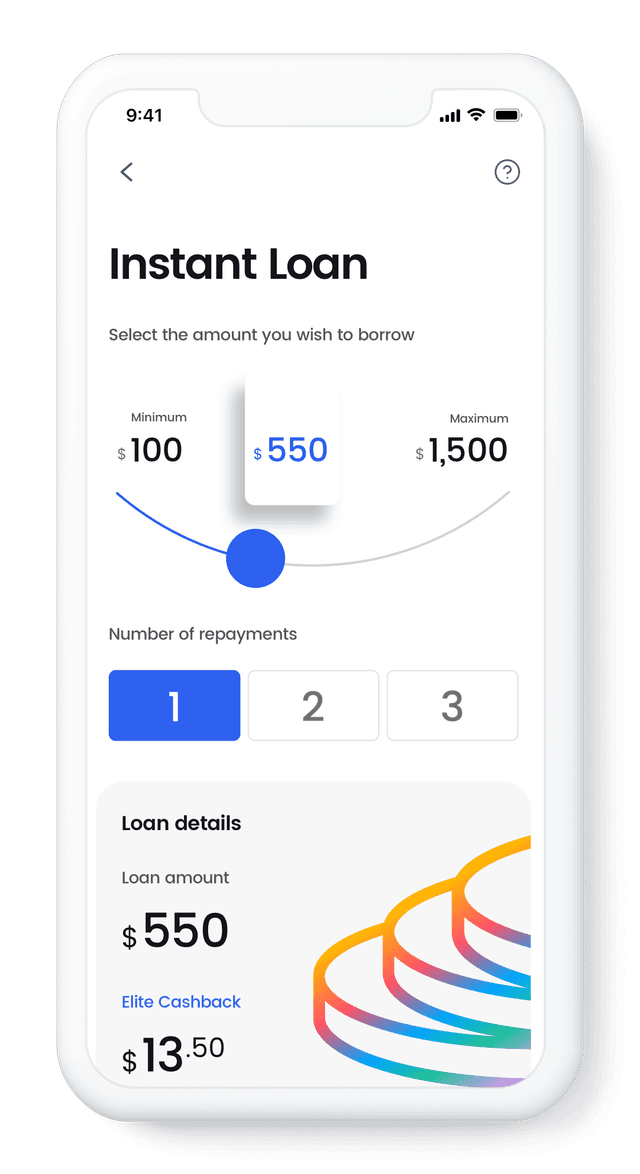
Need funds fast? iCash can help cover the cost of getting your car back on the road, with funds available by Interac e-Transfer® often within minutes of approval.


What About Other Common (and Expensive-Sounding) Repairs?
A no-start issue isn't the only repair that can catch you off guard. A few others worth understanding before you get a quote:
Suspension problems. If your ride feels rough, bouncy, or pulls to one side, your suspension may need attention. This is the system of springs and shocks that keeps your tires planted and your ride smooth.
A single shock or strut replacement averages $300 to $600 per corner. Smaller fixes like sway bar links can run as low as $150. Canadian winters, potholes, and frost heaves all accelerate this kind of wear.
Dents. Paintless dent repair (PDR) is a technique that massages a dent back into shape without repainting. It typically costs $100 to $300 for a minor ding, and up to $850 for larger, more complex damage. It's almost always cheaper than traditional bodywork.
Rust. Surface rust repair runs $100 to $500. Rust that's penetrated the metal, especially anything near the frame, can cost $500 to $2,000 or more. Rust spreads fastest in provinces with heavy winter road salt, so catching it early matters more here than in drier climates.
Is It Worth Fixing, or Time to Let It Go?
Before committing to any repair, ask yourself three quick questions:
How much is the car actually worth? If a repair quote approaches or exceeds your car's resale value, get a second opinion before proceeding.
Is this a one-time fix or a pattern? A car that needs frequent starter boosts, repeated dent repairs, or recurring rust treatment may be signalling bigger problems.
Can you realistically repay the cost? Whatever financing option you choose, make sure the repayment fits your monthly budget. Taking on more than you can comfortably handle just trades one stressful problem for another.
Should I Get the Car Towed or Try to Fix It Where It Sits?
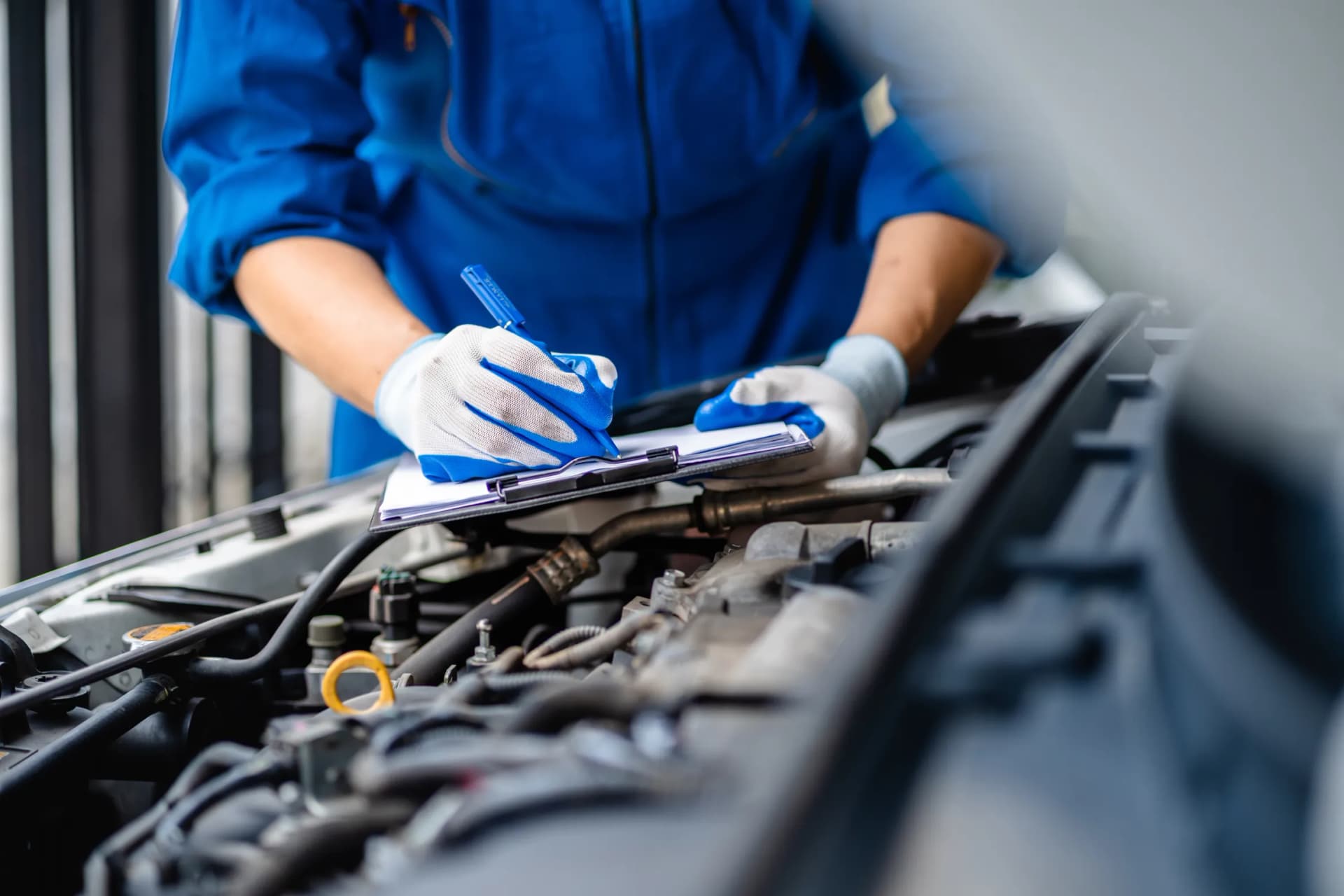
If your car won't start in a driveway or parking lot, you're usually fine waiting for a boost or a mobile mechanic. But a few situations call for a tow instead of troubleshooting on the spot.
Get a tow if you're stopped somewhere unsafe, like a highway shoulder, an intersection, or anywhere visibility is poor. Also call for a tow if you smell gas, see smoke, or hear grinding when you start the car. These can signal a fuel leak or starter damage that gets worse the more you try to start the car.
If you have CAA or another roadside assistance membership, use it. Most basic memberships include towing within a set radius and at least one boost per call. That can save you the cost of a service call entirely. If you don't have a membership, a local tow typically runs $75 to $150 within a city, though longer distances and after-hours calls cost more.
How Can I Avoid This Happening Again?
A little prevention goes a long way toward avoiding another issue, especially heading into winter. A few habits make the biggest difference.
Get your battery tested annually, ideally before winter sets in. Most shops will test it for free or for a small diagnostic fee, and batteries rarely fail without warning signs like slow cranking or dimming interior lights. Catching a weak battery before it dies completely means you can replace it on your own schedule rather than scrambling on a cold morning.
Limit short trips when possible. Frequent short drives don't give your alternator enough time to fully recharge the battery between starts, which shortens its lifespan. If most of your driving is under 10 minutes, an occasional longer drive helps keep the battery topped up.
Keep an eye on your dashboard warning lights. A battery or charging system warning light is your car telling you something before it leaves you stranded. Don't wait for the next sign to investigate.
Address rust and dents early. Beyond the cosmetic impact, both can spread or worsen over time, turning a $150 fix into a $1,000 one. Small dents are also more likely to qualify for cheaper paintless dent repair before the paint cracks or stretches further.
Keep a basic emergency kit in your car. Jumper cables or a portable jump-starter pack, a flashlight, and your roadside assistance card can turn a stressful breakdown into a five-minute fix, especially if you're not near help.
The Bottom Line
A car that won't start is stressful, but it's rarely a mystery once you know what to check. Most no-start issues trace back to a $100 to $900 fix. You have several ways to cover it, from payment plans and community resources to short-term loans built for this exact situation.
If you need funds fast, iCash offers short-term loans of up to $1,500 to Canadians who need money quickly with no paperwork, an easy online application, and funds sent by Interac e-Transfer within minutes of approval.
We accept all types of income, including employment, government benefits, and assistance programs, and we have a 93% approval rate. Whether it's a dead battery on a Monday morning or a starter that gave out on the way to work, we don't think a repair bill should be what keeps you off the road.
If your car is how you earn, how you get to appointments, or how you take care of the people who depend on you, iCash is here to help bridge the gap.