

The Persons with Disabilities (PWD) benefit is British Columbia's long-term financial support program for residents whose physical or mental condition significantly affects their ability to complete daily living activities. The program provides monthly income support, access to health supplements, and other services to help eligible residents live more independently.
This guide explains who qualifies, how much the benefit pays, payment dates, the Annual Earnings Exemption, and how to apply. All benefit amounts and eligibility requirements are set by the Ministry of Social Development and Poverty Reduction, and iCash is not affiliated with the Government of British Columbia.
Key Takeaways

PWD benefits in BC provide monthly income and shelter support for eligible BC residents with severe long-term impairments.
Eligibility depends on both medical and financial requirements established by the Province.
Payment rates and eligibility rules are updated periodically, so always verify current information with the Province before applying.
This guide is based on information published by the BC Ministry of Social Development and Poverty Reduction. iCash is not affiliated with or endorsed by the Government of British Columbia. Because benefit amounts and program rules can change, always verify current information on the provincial website.
What Is the PWD Benefit in BC?
The Persons with Disabilities (PWD) benefit is British Columbia's financial support program for residents whose physical or mental condition significantly limits their ability to perform everyday activities. Monthly payments include both income support and a shelter allowance to help cover basic living expenses.
Unlike temporary programs, this benefit is intended for people with ongoing impairments expected to last at least 2 years. In addition to monthly payments, recipients may qualify for health supplements, transportation support, housing, and employment incentives.
The monthly benefit combines two primary components:
Support allowance to help pay for everyday living expenses such as food and personal needs.
Shelter allowance to help contribute toward housing costs.
Beyond these benefits, recipients may also qualify for a range of additional health and disability-related supports that can significantly reduce everyday expenses.
Unlike temporary income assistance, the PWD program is designed for people living with long-term disabilities rather than short-term illnesses or injuries. Many recipients continue receiving benefits for years while also participating in employment, education, or rehabilitation programs where appropriate.
Who Is Eligible for PWD in BC?
Qualifying for the program requires meeting both medical and financial requirements. Applicants must demonstrate that a long-term impairment significantly affects daily functioning while also meeting the Province's income and asset rules.
You must also:
Be 18 years or older (although you can begin to apply for these benefits when you are 17 ½)
Be significantly restricted in what you are able to do in your daily life
Require assistance with your daily tasks and living activities
Medical Eligibility
To qualify, your condition must be severe, expected to last for at least two years, and significantly restrict your ability to complete everyday activities independently.
Healthcare professionals evaluate how your condition affects areas such as:
mobility
personal care
communication
learning
self-management
participation in everyday life
The Province reviews this medical information alongside your overall circumstances before determining whether you qualify for the designation.
Financial Eligibility
Applicants must also satisfy the Province's income and asset rules. Certain assets—including your principal residence and one vehicle—are generally exempt when determining eligibility. Other assets are subject to limits that vary depending on your household composition.
Check the Province's website for the latest asset thresholds before applying.
What Documents Do You Need?
Most applicants need two completed reports:
Medical Report completed by a physician or nurse practitioner.
Assessor Report completed by an approved healthcare professional, such as an occupational therapist, psychologist, or registered social worker.

How Much Does PWD Pay in BC?
Monthly payments combine income support and a shelter allowance. The total amount depends on your household size and whether your spouse or partner also qualifies for the program.
While payment amounts are periodically reviewed and updated, the table below shows the current benefit structure. Always refer to the Province of British Columbia for the latest rates before making financial decisions.
Household Type | Monthly PWD Benefit* |
Single person | $1,483.50 |
Single parent with one child | $1,828.50 |
Couple (one person with PWD) with one child | $2,433.50 |
Couple (both partners with PWD) and no children | $2,662.00 |
*Rates are determined by the Province of British Columbia and are subject to change.
PWD benefits are designed to help cover essential living costs, including rent, groceries, utilities, transportation, and other everyday expenses. Since payments are issued once a month, creating a budget can make it easier to manage longer gaps between payment dates and prepare for unexpected expenses.
If your income, household size, or living arrangements change, be sure to notify the Ministry as soon as possible. Keeping your information up to date helps ensure you're receiving the correct benefit amount.
Additional Benefits & Supplements for PWD Recipients
Your monthly PWD payment is only one part of the support available through the Province of British Columbia. Depending on your circumstances, you may also qualify for additional benefits that can help reduce everyday living costs or cover unexpected expenses.
Many of these programs require a separate application or assessment, so they aren't automatically included with your monthly benefit.
Some of the most common supports include:
Bus Pass Program – Eligible recipients can receive a subsidized annual transit pass or a transportation supplement if public transit isn't a practical option.
Medical and Health Supplements – Benefits for items such as medical supplies, dental care, vision care, medical transportation, diet supplements, and other health-related needs that aren't fully covered elsewhere.
Crisis Supplements – Financial assistance may be available if you're facing an unexpected emergency that threatens your health or safety, such as replacing essential household items after a fire or covering emergency accommodation.
Security Deposit Assistance – If you're moving into a new rental, you may qualify for a repayable security deposit loan to help secure housing.
General Supplements – Depending on your situation, additional assistance may be available for items such as guide dog costs or other expenses.
Recipients may also qualify for the new Canada Disability Benefit (CDB). The federal benefit is separate from BC's provincial program and can provide additional financial support for eligible Canadians.
BC PWD Payment Dates
Those approved receive their payments once a month, usually on a set Wednesday near the end of the month. Payments are issued in advance for the following month's benefit and are typically deposited directly into your bank account, although cheque payments are also available.
Rather than listing every payment date here, we've created a dedicated guide that is updated each year.
→ See the full BC PWD payment schedule to view all upcoming payment dates, direct deposit information, and what to do if your payment is delayed.
Knowing when your payment will arrive can make budgeting easier, especially during months with longer gaps between deposits.
The Annual Earnings Exemption (AEE): How Much Can You Earn on PWD?
One of the biggest advantages of BC's PWD program is the Annual Earnings Exemption (AEE). Unlike some income assistance programs that reduce benefits every month you earn employment income, BC uses a calendar-year Annual Earnings Exemption (AEE).
This means you can be employed throughout the year up to the applicable annual limit before your payments are affected. The exemption amount depends on your household situation, including whether you have a spouse and whether both partners qualify for the program.
Once your earnings exceed the annual exemption, additional employment income may reduce your benefits according to provincial rules.
The exemption amount depends on factors such as:
Whether you're single or part of a couple.
Whether one or both partners have a PWD designation.
Your total employment earnings for the calendar year.
Current AEE limits are reviewed and updated by the Province of British Columbia. Be sure to check the latest figures before planning your annual income.
Household Type | Monthly PWD Benefit* |
Single person | $16,200 |
Couple (one person with PWD) | $23,400 |
Couple (both adults with PWD) | $32,400 |
Many recipients keep track of their yearly employment income rather than waiting until the end of the year. Monitoring your earnings throughout the year can help you stay within the exemption if that's your goal and avoid surprises later.
Because benefit rates, earnings exemption limits, payment dates, and eligibility requirements can change, always confirm the latest information with the BC Ministry of Social Development and Poverty Reduction.
Managing Money Between PWD Payments
Because benefits are paid monthly, some payment cycles are four weeks while others stretch closer to five weeks. Planning for these longer gaps can make it easier to manage essential expenses throughout the month.
A simple monthly budget can help you:
Prioritize housing, food, utilities, and transportation
Plan ahead for annual or irregular bills
Build a small emergency fund whenever possible
Identify unnecessary spending before it becomes a problem
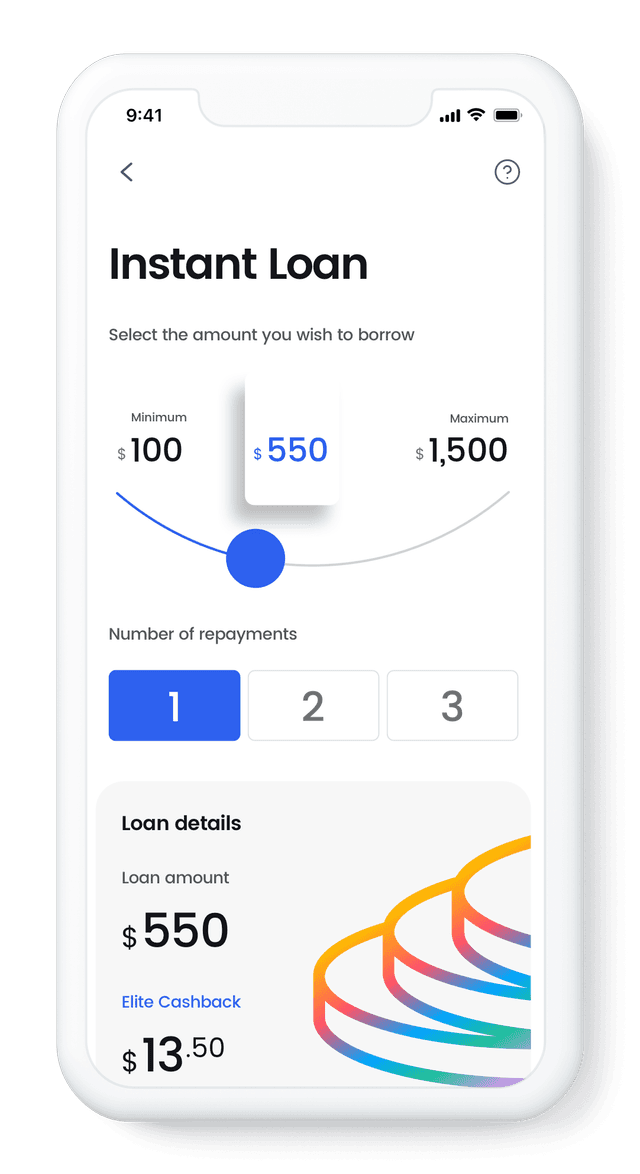
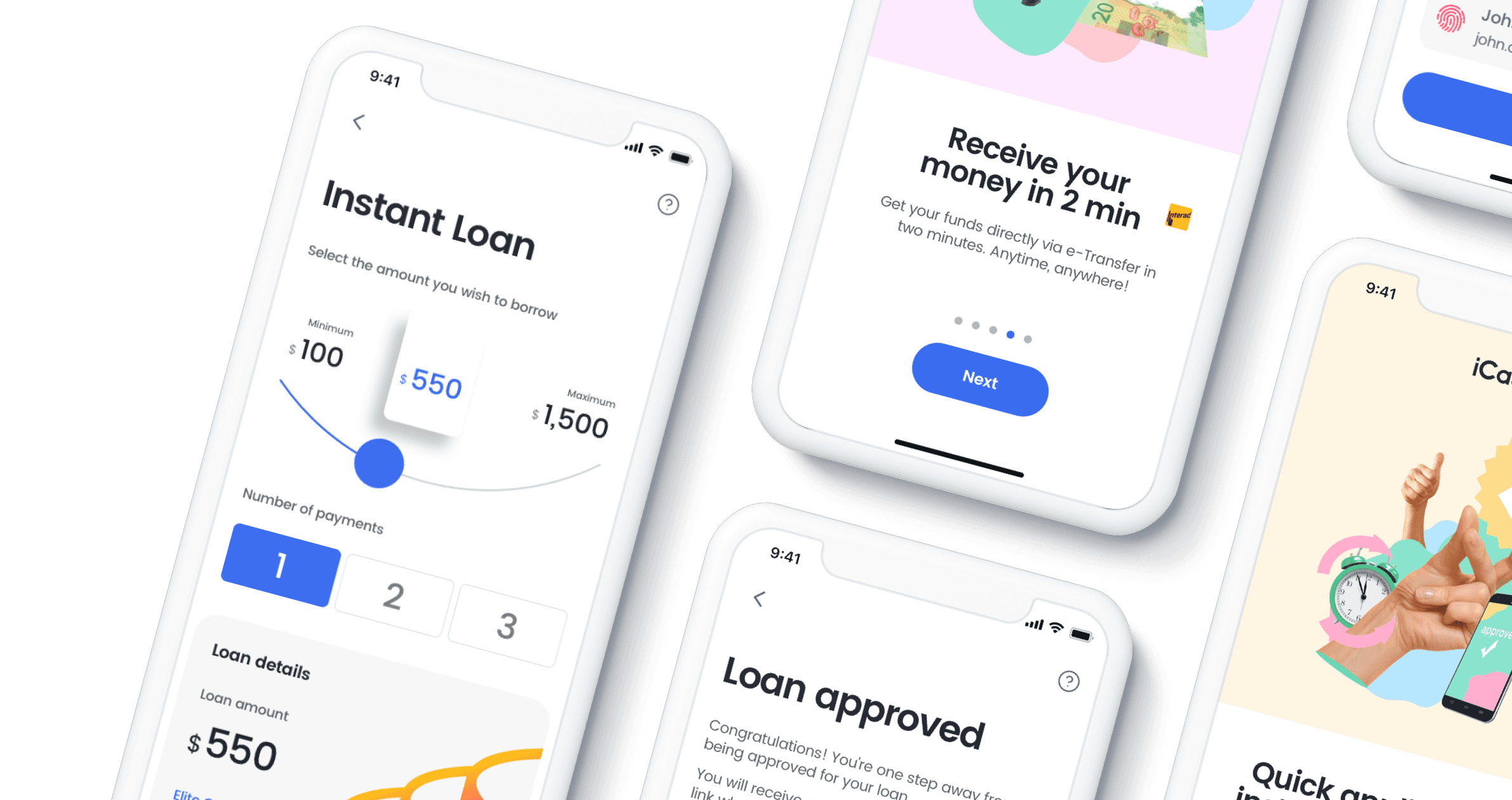
If you're planning for an upcoming expense, the iCash Budgeting Calculator can help you estimate your monthly payments and understand how different borrowing amounts could affect your budget before you make a decision.
Sometimes unexpected expenses—such as emergency vehicle repairs, replacing a broken appliance, or urgent travel—can't wait until your next payment. If you've exhausted other options, a short-term loan may bridge the gap.
If you choose to borrow, make sure you understand the total repayment cost beforehand. For example, borrowing $200 would cost $28, meaning you'd repay $228 on your due date. Always borrow only what you need and only if you're confident you can comfortably repay it.
For more information on deciding whether a short-term loan is appropriate for your situation, visit our guide on Responsible Borrowing.
How to Apply for PWD in BC — Steps
You can begin the process by using the My Self Service portal. While the process can take time, applicants who qualify may receive Income Assistance while their application is being reviewed.
The general application process is:
1. Apply for Income or Disability Assistance
Begin your application through the Province of British Columbia's My Self Serve portal, or contact the Ministry if you need assistance completing it.
2. Complete the PWD Application Package
If you're eligible for designation, you'll receive the required forms that include:
A Medical Report completed by your physician or nurse practitioner.
An Assessor Report is completed by an approved healthcare professional, such as an occupational therapist or psychologist, depending on your circumstances.
These reports explain how your condition affects your ability to perform daily activities.
3. Submit Your Application for Review
Once your paperwork is complete, submit the package for review. Processing times vary depending on application volumes and individual circumstances.
If approved, you'll begin receiving benefits in accordance with the Province's payment schedule.
Important: If you qualify for Income Assistance while waiting for a decision, you may be able to receive those benefits during the review process.

Support Services & Resources for People with Disabilities in BC
Financial assistance is only one part of the support available to people living with disabilities in British Columbia. Several organizations provide free advice, advocacy, employment services, and housing that may help improve your financial and personal well-being.
Disability Alliance BC
Best for: Advocacy, benefits information, appeals, and application support.
Disability Alliance BC helps residents understand provincial programs, complete paperwork, and navigate appeals when necessary.
WorkBC Employment Services
Best for: Employment planning and workplace accommodations.
If you're able and interested in working, WorkBC offers career planning, training opportunities, and employment supports that work alongside provincial benefits.
BC Housing and SAFER
Best for: Rental assistance and affordable housing.
BC Housing administers several housing programs, including rental support for eligible low-income residents.
BC Ministry of Social Development and Poverty Reduction
Best for: Benefit applications, reporting changes, and payment questions.
For questions about your file, reporting changes in circumstances, or checking application status, contact the Ministry directly at 1-866-866-0800 or through My Self Serve.
Using these services early can often prevent financial challenges from becoming larger problems and ensure you're receiving the benefits you're entitled to.
PWD vs. PPMB vs. Income Assistance — What's the Difference?
Although these programs all provide provincial income support, they're designed for different situations.
Program | Best For | Key Difference |
Persons with Disabilities (PWD) | Residents with severe, long-term impairments | Provides the highest level of ongoing support and access to additional supplements. |
Persons with Persistent Multiple Barriers (PPMB) | People with long-term barriers to employment who don't meet the full medical criteria for PWD | Offers additional support, but generally includes lower earnings exemptions and fewer supplementary benefits. |
Income Assistance | People experiencing temporary financial hardship | Intended for individuals expected to return to work once their circumstances improve. |
Persons with Disabilities (PWD)
This benefit is intended for people with a severe, long-term physical or mental impairment that substantially limits their ability to perform daily living activities. Recipients receive monthly income support and may also qualify for health benefits, transportation support, and the Annual Earnings Exemption.
Persons with Persistent Multiple Barriers (PPMB)
This program is for people who face significant, ongoing barriers but don't meet the medical requirements for the designation above. It provides monthly income support, although earnings exemptions and available benefits are generally more limited.
Income Assistance
This program is intended for individuals and families experiencing temporary financial hardship. Unlike the designation above, it isn't based on a severe, long-term impairment and is designed for people whose circumstances are expected to improve over time.
If you're unsure which program best fits your circumstances, the BC Ministry of Social Development and Poverty Reduction or Disability Alliance BC can explain your options and help you identify the appropriate pathway.