


We’ve all experienced this before. That feeling when you open your banking app and your account balance makes you do a double-take. You realize payday is still five days away, but your stack of bills tells you things can’t wait that long. You're definitely not alone in this.
Living paycheck to paycheck isn't just common; it's the reality for millions of Canadians. Whether you're dealing with rising costs, unexpected expenses, or simply trying to make ends meet, that final week before payday can feel like navigating a financial obstacle course.
Here’s the good thing though. There are practical ways to stretch those last few dollars and make it to payday without stressing too much. Today, we’re going to take a look at seven strategies that actually work when you're counting down the days until your next deposit hits.

1. Take Stock of What You Actually Have
It may sound obvious, but before worrying too much, start with what you do have. This isn't just about money, it's about resources.
Check your fridge and pantry. You might be surprised by what's hiding in the back of your cupboard. That forgotten can of beans, the pasta you bought three months ago, or the frozen vegetables taking up freezer space can turn into delicious meals. Get creative with what you have before spending money on groceries you might not actually need right away.
Simply put, sometimes we overlook resources that are right in front of us because we're too focused on what we're lacking.
2. Create a Micro-Budget for the Days Ahead
When money is tight, every dollar counts. Sit down and calculate exactly how many days until payday, then divide your remaining funds accordingly. Be realistic about your non-negotiable expenses: gas to get to work, essential groceries, any bills with due dates before payday.
A common approach is to write down your daily budget and stick to it. For example, if you have $70 for the next week, that's $10 per day. There are several free apps like Mint that’ll help you easily keep track of your finances.
By sticking to your budget, it’ll help you prevent the all-too-common mistake of spending too freely early in the week and then suddenly realize your funds have dried up by Thursday.
Track everything you spend. Yes, even that $3 coffee. Now of course, don’t deprive yourself of the small things in life that you enjoy, but try to remember that multiple small purchases add up faster than you think. Awareness is the first step to control.
3. Embrace Free (or Nearly Free) Entertainment
Again, you don’t need to cut any fun or entertainment from your life just because funds are low. Maybe you just need to get a little creative with it. This is the perfect time to explore all those free activities you've been meaning to try.
Take advantage of free community events, visit local parks, organize a game night with friends where everyone brings whatever snacks they already have, etc. You can usually find information about things happening in your area by consulting your city’s official website or even checking community groups on Facebook.
Libraries are also totally underrated in this day and age. You can find treasure troves of free entertainment like books, movies, music. Some might even offer free passes to local attractions.
The point isn't to feel deprived; it's to shift your mindset. Some of the best memories come from low-cost activities, and discovering free alternatives now means you'll have more money saved for the future.
4. Get Strategic About Meals
Food is one area where you can make a significant impact. And again, similarly to entertainment, you don’t necessarily need to make huge changes or sacrifices in order to have a good, nutritious meal.
Focus on inexpensive, filling staples: rice, pasta, eggs, beans, and seasonal vegetables. One rotisserie chicken can become multiple meals. Eggs aren't just for breakfast, they're protein-packed and one of the most budget-friendly foods available.
Go digital and try an app like Too Good to Go. It’s a food-saving app that helps Canadians get surplus food from local businesses at significantly reduced prices.
Takeout is so tempting, especially when you don’t feel like cooking. But even though that $15 meal might seem like a small splurge, it potentially represents a significant chunk of your remaining funds.
Instead, batch cook when you have energy. Making a large pot of soup, chili, or pasta sauce means you'll have ready-made meals that prevent expensive last-minute food decisions.
Also, consider eating before going anywhere. Shopping hungry or running errands on an empty stomach leads to impulse purchases you'll regret later.
5. Communicate Honestly About Your Situation
There's no shame in being temporarily tight on cash. If friends invite you out and it seems like it has the potential to be an expensive night, it’s okay to be honest.
Real friends will understand and suggest free alternatives, or they might even offer to cover you this time with the understanding you'll return the favor when you can.
The same goes for family obligations or social commitments that involve spending. Most people appreciate honesty far more than they appreciate you showing up stressed. Plus, you'd be surprised how many people are in the same boat and relieved when someone else brings it up first.
Being honest about your financial situation also helps you avoid that dangerous cycle of spending money you don't have to keep up appearances. Your mental and financial health should always come first.
6. Look for Quick, Legitimate Ways to Earn Extra Cash
Sometimes surviving until payday means finding small ways to make some extra cash, and no, that doesn’t necessarily mean you need to get a second job.
Sell items you no longer use or need through online marketplaces (Facebook being the most commonly used route). Maybe you have a gaming console collecting dust, clothes you haven't worn in a year, or furniture taking up space. All of that could become immediate cash.
If you’re still wondering how to make extra money, you can take on some extra gigs that aren’t necessarily full time jobs. You can consider things that fit your schedule: food delivery, dog walking, or freelance tasks in your area of expertise. Even a few hours of extra work per week can put some extra cash in your pocket.
7. Consider Short-Term Lending Options (Responsibly)
Sometimes, the inevitable happens. No matter how much you prepare, an unexpected bill like a car or home repair can hit out of nowhere and you simply might not be able to pay for it.
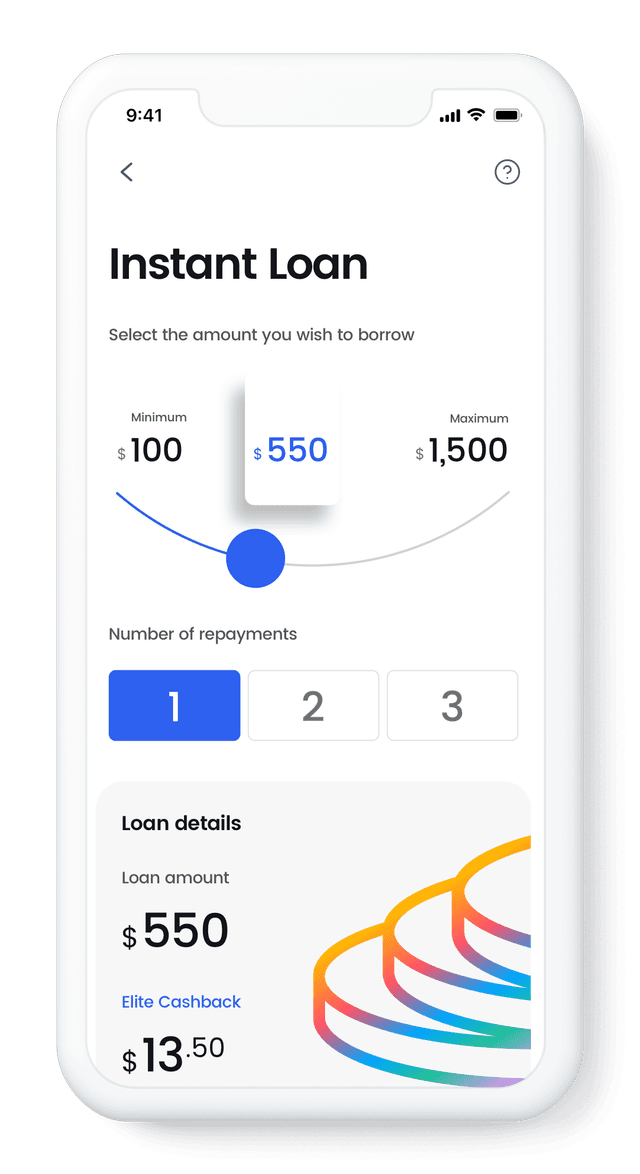
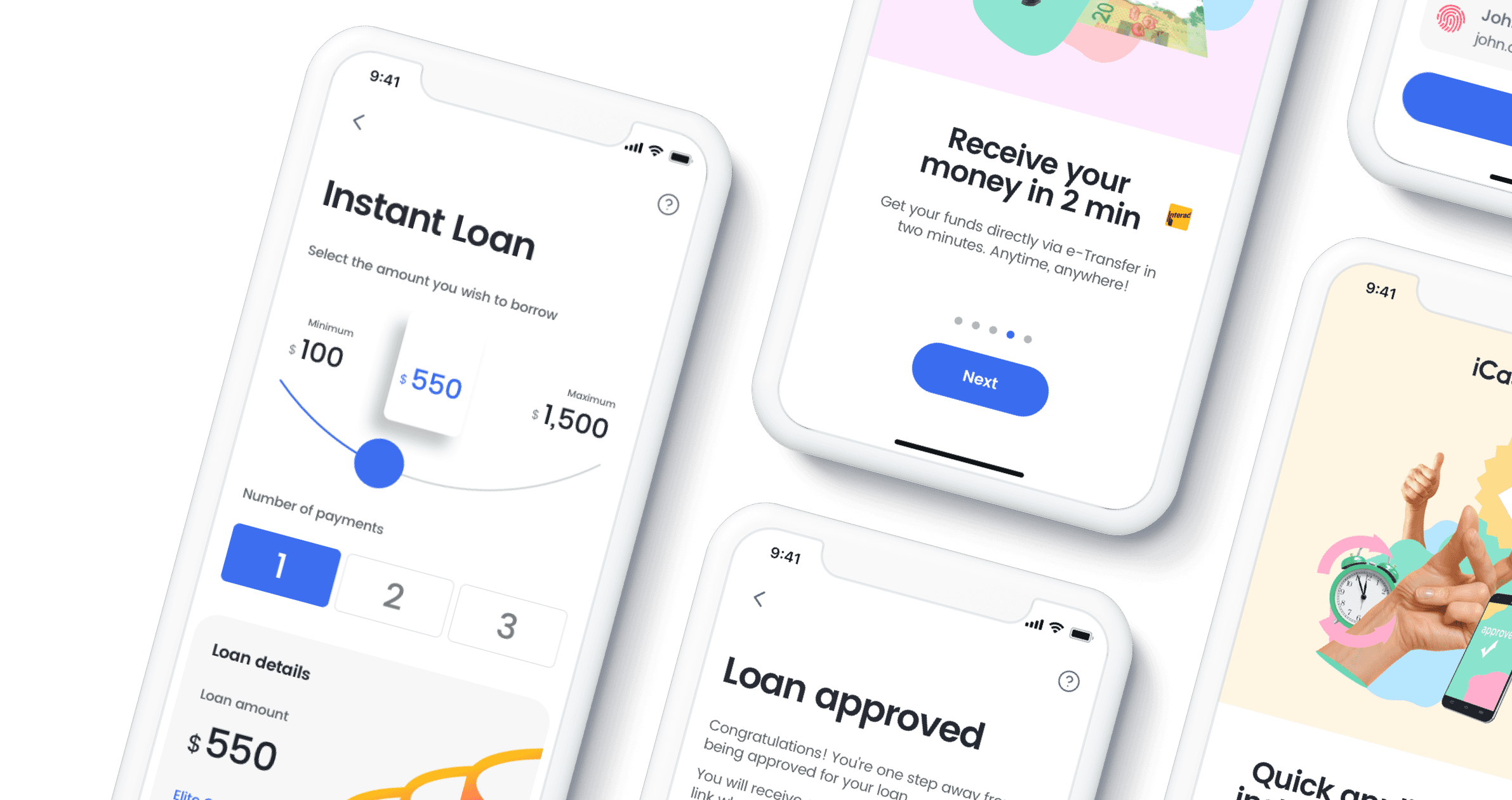
Payday loans can help in a situation like this, because it allows you to borrow up to $1,500 incredibly quickly. The key is approaching these loans responsibly and understanding exactly what you're agreeing to. Know the fees, understand the repayment timeline, and only borrow what you absolutely need and can realistically repay. If you choose to borrow with iCash, these are all things that will be clearly outlined for you before you sign anything.
Before taking out any loan, ask yourself: Is this expense truly urgent, or can it wait a few more days? Will borrowing this amount make my next payday even more challenging? Do I have a clear plan to repay this on time?
If you do need emergency funds, work with legitimate, licensed lenders who are transparent about costs and terms. Companies that operate across Canada, maintain proper licensing in all provinces where they operate, and clearly explain their fees demonstrate the kind of trustworthiness you want in a lender.