

Stress and anxiety can feel exhausting — mentally, physically, and emotionally. When you’re already overwhelmed, being told to “just relax” or “try to calm down” can feel dismissive rather than helpful.
This article isn’t a pitch to clutter your home screen or suggest there’s a single magic fix. Instead, it brings together research-backed techniques, simple practices, and a small number of well-reviewed tools that many people use to manage stress and anxiety — both before it builds up and when it hits hard.
Some strategies here are proactive, helping you lower your baseline stress over time. Others are designed for moments of acute anxiety or panic.
If you’re feeling overwhelmed right now and need something that can help calm your body quickly, you may want to skip ahead to the “Fast Relief During Panic or Overwhelm” section.[2]
Important note:
This article is for educational purposes only and is not a substitute for medical advice, therapy, or prescribed treatment from a physician or mental health professional.
Building Blocks for Managing Stress and Anxiety
Long-term stress management isn’t about doing everything perfectly. It’s about supporting your nervous system consistently, so it’s less reactive when challenges come up. Small things add up over time, but remember, it may not feel that way at first. Practicing these takes a cumulative effect; over time, they add up like filling up a cup of water one drop at a time.
Sleep: Why It Matters More Than You Think
We hear this advice constantly: get 7–9 hours of sleep. But the reason sleep matters isn’t just about feeling rested.
Research shows that sleeping just one hour less than recommended (around 6 hours per night) impairs emotional regulation, increases cortisol levels, and worsens anxiety symptoms. A large study found that sleep deprivation significantly increases emotional reactivity and stress sensitivity.
This isn’t to stress you out or to say that getting a bad night's rest every now and then is horrible. We all have a restless night or two now and then, especially when under stress. But consistently pushing through life while chronically sleep-deprived makes everything feel harder — emotionally and cognitively.
So, how do we sleep better? It all starts with “sleep hygiene.” And yes, this is where screen time enters the chat. Annoying? Maybe. Effective? Surprisingly, yes—these small changes help your body actually power down.
What actually helps improve sleep:
● Keep a consistent bedtime and wake time (even on weekends)
● Limit screens 60–90 minutes before bed (blue light suppresses melatonin)
● Keep your room cool and dark
● Avoid caffeine after early afternoon
● Use your bed only for sleep (not work or scrolling)
Sleep hygiene recommendations are supported by the Canadian Sleep Society.[3] [4]
Best Apps for Sleep & Nighttime Anxiety
● Calm – Sleep stories, soundscapes, mindfulness, and gentle breathing.

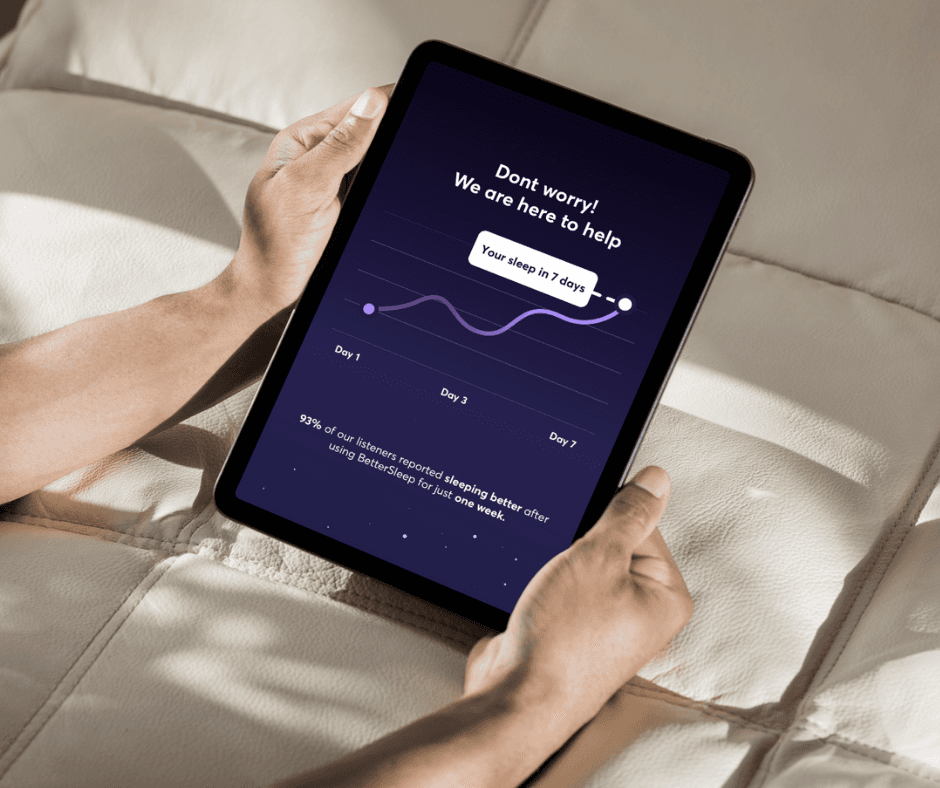
● BetterSleep – Custom sound mixes, mindfulness exercises, and wind-down routines.
Nutrition: Supporting Your Stress Response
Stress and food habits tend to influence each other in very ordinary, everyday ways. When life feels overwhelming, meals often become rushed, skipped, or less balanced — and that can make anxiety feel louder or harder to manage.
Part of this comes down to the gut-brain connection, often called the gut-brain axis, which means your digestive system and nervous system are constantly communicating.
Research suggests that diets high in ultra-processed foods and added sugars are associated with higher anxiety and low mood over time. This isn’t about a single snack or treat — it’s about patterns that leave your body under-fuelled or constantly spiking and crashing, which can make stress harder to regulate.
Rather than focusing on restriction or “eating perfectly,” small, supportive habits tend to make the biggest difference:
● Eat regular meals. Skipping meals can raise cortisol and make stress responses feel more intense.
● Include protein and fiber when you can. These help keep blood sugar steady. There are lots of easy ways to add them in — from simple swaps to experimenting with new recipes you actually enjoy.
● Stay hydrated. If plain water isn’t appealing, herbal tea or fruit-flavored water can make it easier to sip throughout the day.
● Be mindful of caffeine. If you’re anxiety-prone, too much can amplify symptoms. Tea or decaf coffee can still give you that comforting ritual without the jitters.
● Keep easy, nourishing snacks on hand. Having something ready can prevent long stretches of running on empty.
Movement: Calming the Nervous System
Exercise doesn’t need to be intense to help with anxiety. Moderate movement reduces stress hormones and increases endorphins and GABA (a calming neurotransmitter). Even 10–20 minutes of walking has been shown to reduce anxiety symptoms.
Gentle movement like stretching or mobility work is especially effective for people who feel “wired but tired.”
Best Free App for Gentle Movement:
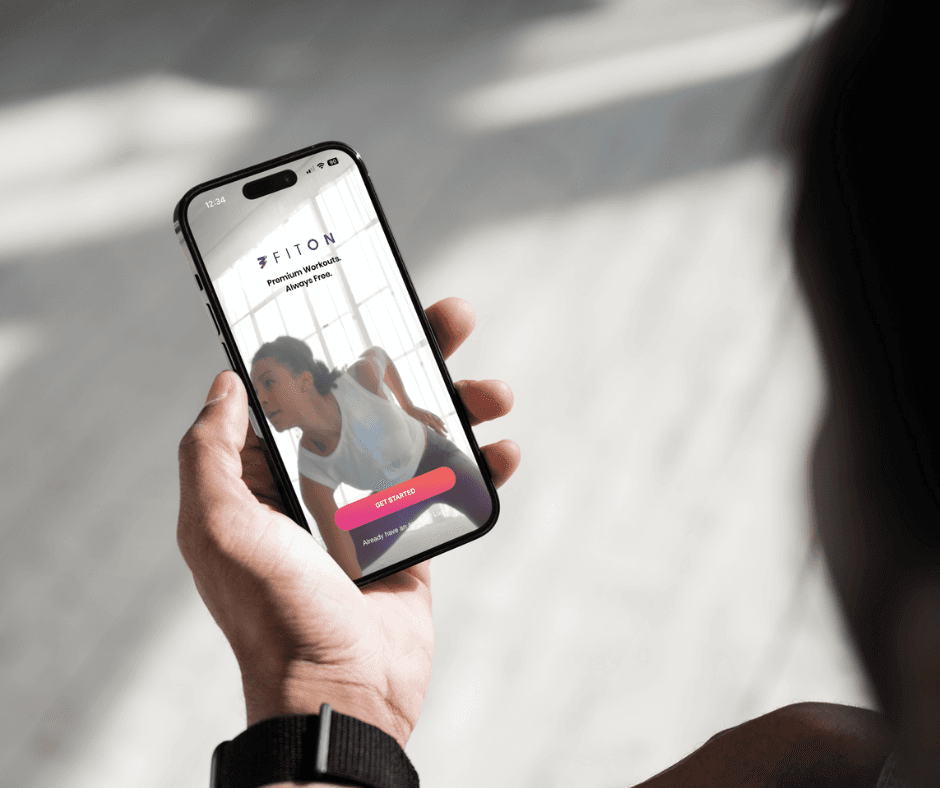
● FitOn – Free stretching, strength, calming, and mobility exercises to release stress physically. Optional upgrade for meal plans and pro features.
Social Connection and Love
Humans are wired for connection. Social isolation increases stress hormones and anxiety risk. Research from Harvard’s long-running adult development study shows that supportive relationships are the strongest predictor of long-term well-being.
Sharing what you’re going through with a trusted friend can help relieve some of the burden. Even if your support system cannot remove the stressors from your life, a listening ear reminds you that you are not alone.
This doesn’t mean you need constant socializing—even small moments of safe connection matter.
Techniques That Actively Calm the Nervous System
These are simple things you can do anywhere. Take a break from work, find a quiet corner, or simply do these while sitting. They work by nudging your body out of “fight or flight” and back into “rest and digest.”
Breathing (the fastest lever)
Slow breathing is one of the quickest ways to calm anxiety. You don’t need fancy techniques—just slow it down.
A well-studied rhythm is about 6 breaths per minute:
● Inhale for 4–5 seconds
● Exhale for 6–7 seconds
Longer exhales signal safety to your nervous system, improving heart rate variability and lowering stress hormones.
Best Apps for Breathwork:
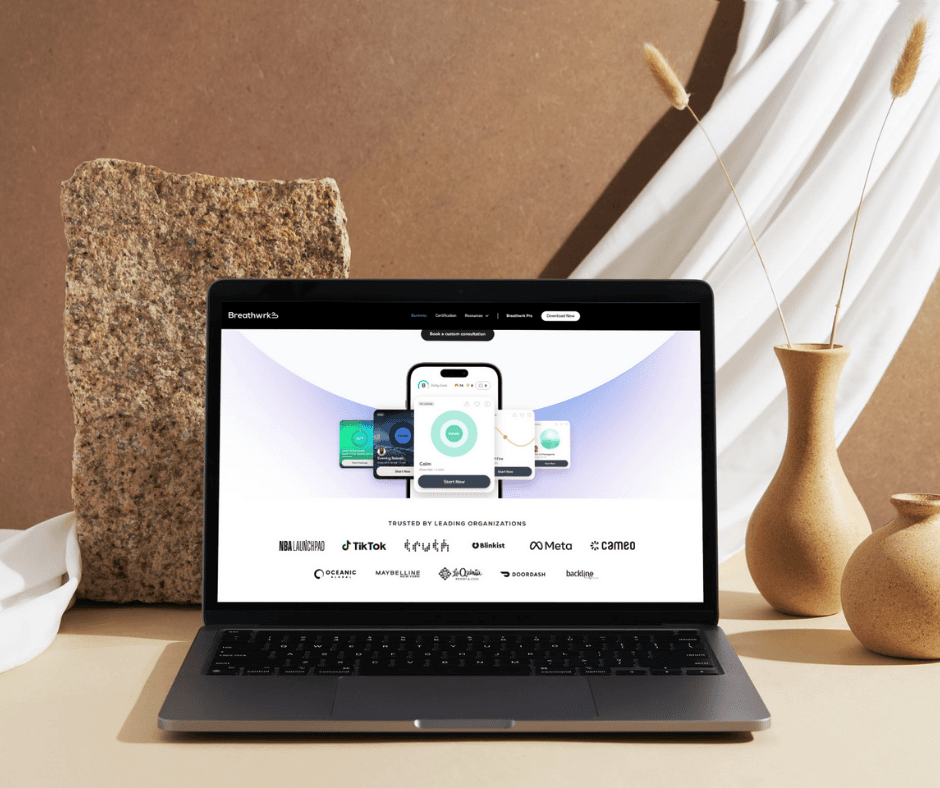
● Breathwrk – Short, guided breathing patterns that slow the nervous system fast.
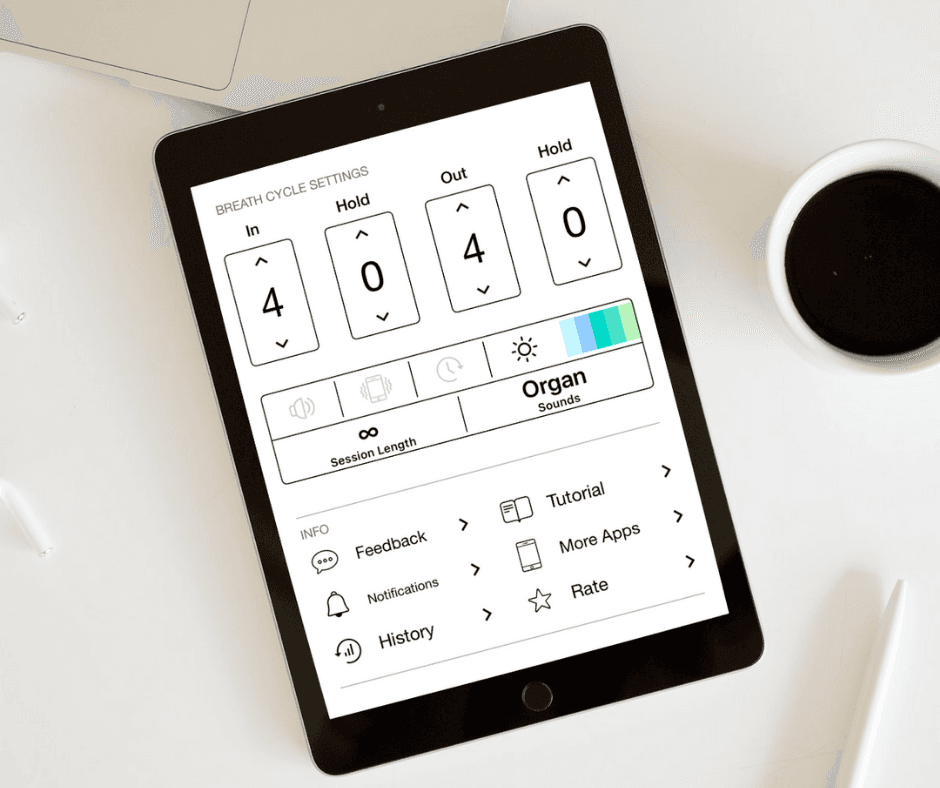
● Breathe+ – Simple visual pacing for longer exhales (no extras, very grounding).
Humming (surprisingly effective)
Humming creates vibration that stimulates the vagus nerve. It’s subtle, free, and works even if you feel silly doing it.
The gentle vibrations created in the chest and throat send calming signals to the nervous system, helping reduce stress responses, support emotional regulation, and promote a sense of calm. Some
Self-massage (release built-up tension)
Gently massaging your jaw, neck, or shoulders can help release muscle tension and lower stress hormones. Even a minute or two can make a difference. If you’d like guidance, there are plenty of short, easy-to-follow videos on YouTube—try searching phrases like “self massage for stress relief” or “self massage for neck tension” and choose one that feels comfortable for you.
Stretching (slow and easy)
Gentle stretching—especially the chest, hips, and neck—signals safety to the nervous system. No forcing, no “workout” energy required.
Mindfulness
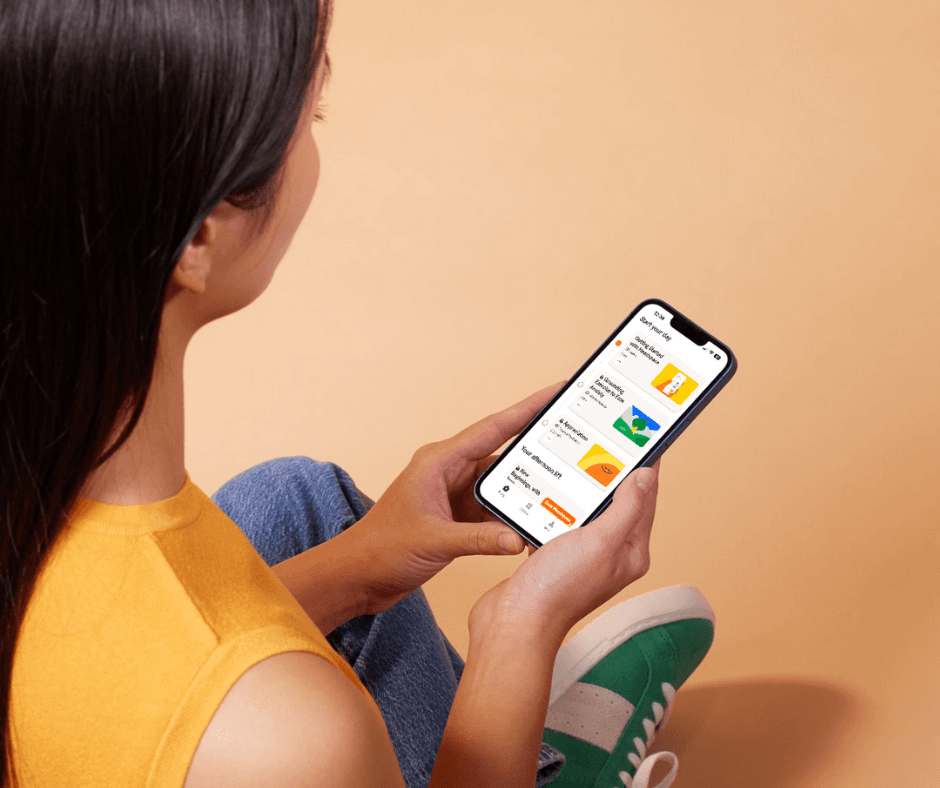
Even a few quiet minutes of focused breathing or guided audio can help your system settle. Apps can make this easier when your mind feels busy.
Best Apps for Daily Stress and Mindfulness
● Headspace – Structured programs if you want step-by-step learning.
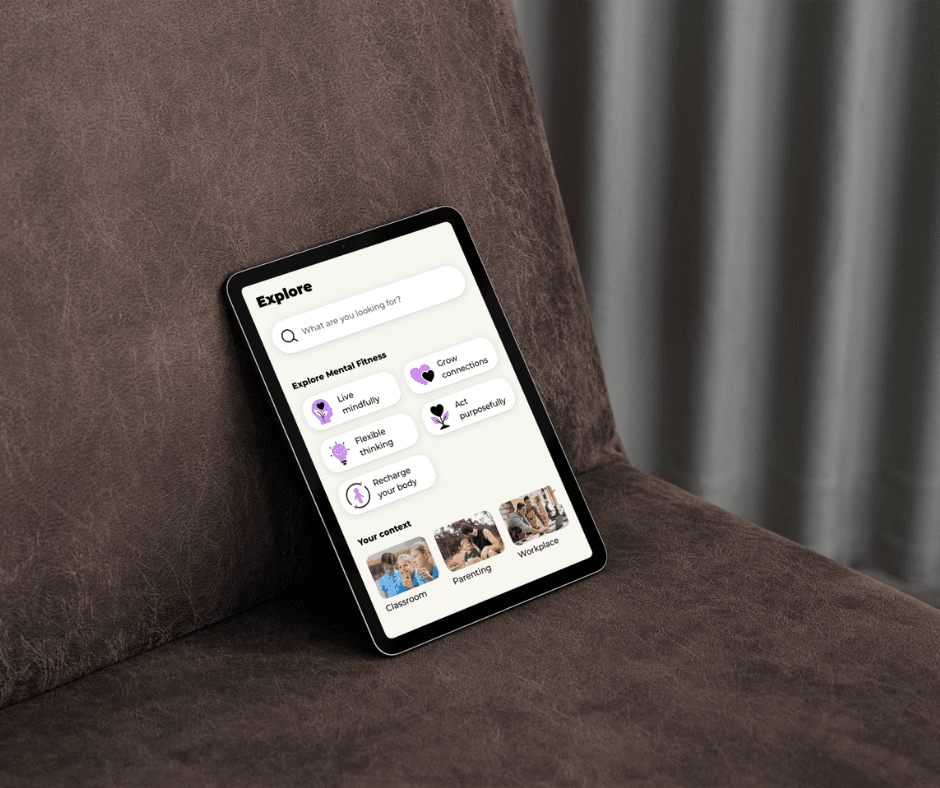
● Smiling Mind – Designs for tablets. This app helps with mindfulness and calming exercises. It also enables you to build and maintain a healthy routine.
Journaling
Writing things down can help reduce mental load and serve as an outlet. Some people enjoy the tactile feel of a physical journal or notebook, while other like an app where they can set reminders. Whether you prefer paper or digital, journlink on these topics can help reduce stress:
Gratitude journaling (3-5 things each day)
Daily check in or mood tracker
Worry journaling aka “Brain dump journaling” write everything on your mind
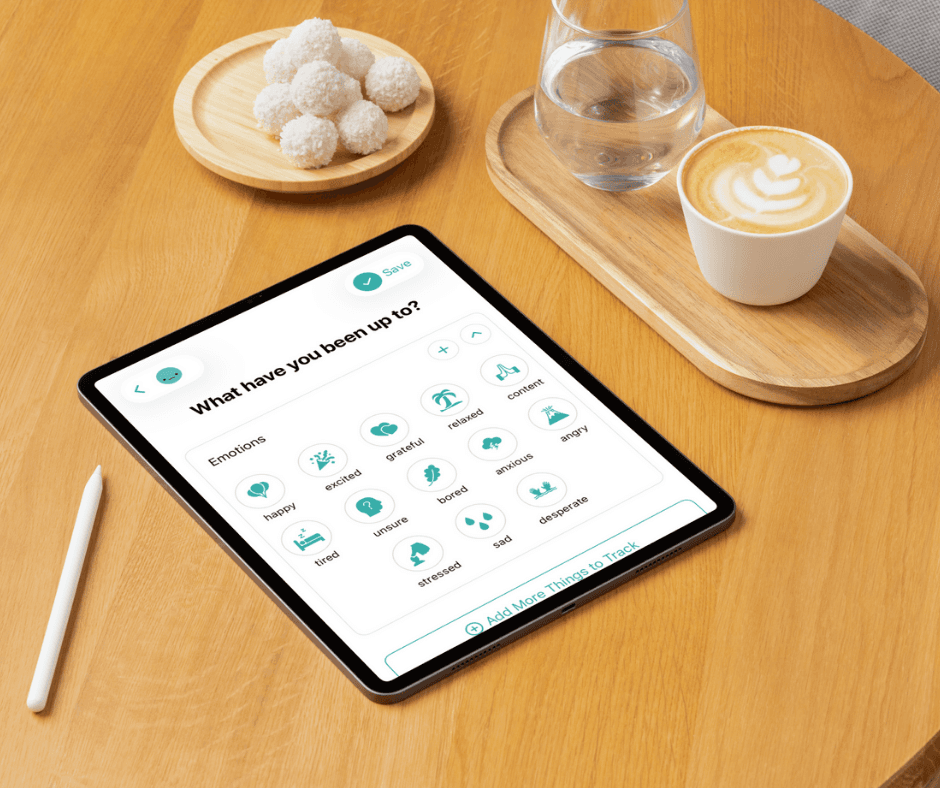
Best Apps for Mood Awareness (without heavy journaling)
● Daylio – Quick check-ins that reveal patterns over time.
● Built-in health app – Many phones have a built-in health app: schedule check-ins, record mood.
Bonus Tip: After a worry or brain-dump journal, take a moment to sort what you wrote into two groups: things you can change and things that are outside your control. This can help you focus your energy where it actually helps and let the rest take up less space in your head.
If You’re Struggling Right Now: Fast Relief During Panic or Overwhelm
If anxiety or panic feels intense right now, start with one of these. You don’t need to do all of everything at once — just pick what feels doable.
Slow your breathing
Sit or stand comfortably (if you feel dizzy, sit or lie down).
Place one hand on your chest and one on your belly.
Breathe in through your nose for 4 seconds, then breathe out slowly for 6–8 seconds.
Longer exhales signal safety to your nervous system and help settle the body.
2. Ground yourself in the present
Name or call out:
● 5 things you can see
● 4 things you can feel
● 3 things you can hear
This gently pulls your attention out of racing thoughts and back into your surroundings.
3. Change your physical state
If possible
● Step outside for fresh air
● Splash cool water on your face
● Press your feet firmly into the ground.
● Some people find holding a towel with ice inside helps bring them into the present. Do not hold ice directly without a barrier between your skin and the ice.
Physical sensations help interrupt the panic response.
4. Use gentle tapping or pressure
Lightly tap your arms, collarbone, or thighs in a slow rhythm, or give yourself a firm hug. Repetitive, rhythmic touch can calm the stress response. “Tapping” is often used as a calming technique and falls within the Emotional Focused Therapy or EFT.
This video guides you through a tapping exercise for panic.
5. Reach out to a safe person
Text or call someone you trust and let them know you’re feeling overwhelmed. You don’t have to explain everything — simply connecting with someone you love and trust can help regulate stress.
Why these help
Panic activates the body’s fight-or-flight system. Breathing, grounding, movement, and connection help shift your nervous system back toward calm by lowering adrenaline and bringing your body into the present moment.
Important note
If at any point you feel unsafe or worried you might harm yourself, support is available. In Canada, you can call or text 988 for the Suicide Crisis Helpline — free, confidential, and available 24/7. Reaching out is about getting support, not judgment.[5]
Best Apps For Calm: Quick Decision Guide
Here's a quick list of the apps recommended in this article. These are by no means the only apps you could use; some apps are based on therapeutic methods like CBT. Here are a few apps to get started with.
App | Pricing (CAD) | Key Features | Best For |
Breathwrk | Free / ~$15–$60 yr | Guided breathing, panic relief | Acute anxiety, panic |
Breathe+ | Free Trial / $12.99 mo, $49.99 yr, or $119.99 lifetime | Visual breathing timer | Simple calming |
Smiling Mind | Free, can donate | Toolkits and guided exercises | Practicing mindfulness |
Headspace | Trial / $89.99 yr, $17.99 mo | Structured courses | Learning mindfulness |
Calm | Limited free / ~$90 yr, $21.99 mo | Sleep stories, sounds | Sleep, nighttime anxiety |
BetterSleep | Free Trial / $8.33 mo, $99.99 yr | Custom soundscapes | Sleep routines |
Daylio | Free Trial / $47.90 yr | Mood & habit tracking | Self-awareness |
FitOn | Free / optional paid | Yoga, stretching | Stress via movement
|
*Pricing reflects information available at the time of writing and may change.
Tips for Using Stress-Relief Apps Effectively
● Don’t download everything — pick one or two
● Use them as support, not pressure
● Short, consistent use beats long, sporadic sessions
● Stop using any tool that increases guilt or stress
How Therapy Can Help
Many people find the most relief by combining self-guided tools with professional support. Therapy can help you identify stress triggers, build emotional regulation skills, process past experiences safely, and develop coping strategies that fit your life.
Cost is a real barrier—sessions often start around $100 per hour without coverage. The good news is that in Canada, there are credible free and low-cost options offering counseling, structured programs, and guided resources for managing stress and anxiety.
Free or Low-Cost Canadian Resources
● Wellness Together Canada – free counseling, self-guided programs, and mental health tools.
● Canadian Mental Health Association (CMHA) – education, community programs, and local support services.
● Resources by province. For example, Ontario.ca helps Canadians find local mental health support. Try searching “Mental health support (province).”
These resources don’t replace long-term therapy for everyone. Still, they can be a meaningful starting point — especially if you’re navigating stress right now and need support without added financial pressure.
Final Thoughts
Managing stress isn’t about eliminating it completely. It’s about building enough physical, emotional, and practical support so stress doesn’t end up running your life.
You may notice that some techniques work better on certain days than others. That’s completely normal. Your body responds differently depending on how overwhelmed, tired, or regulated it already is. Give things a few tries, and pay attention to how you feel over time rather than judging a single moment.
Consistently supporting your nervous system will help you manage stress and feel calmer. But even if it's a struggle to be consistent, doing these things inconsistently is still better than not at all.
You don’t need to do everything at once. Start with one small step that feels doable. Even gentle changes, practiced imperfectly, can add up to meaningful relief. And if today feels heavy, that doesn’t mean you’re failing — it means you’re human.