


TL;DR

Side hustles in Canada are part-time income activities that Canadians use to earn extra money alongside a main job. The most accessible options in 2026 include freelancing, delivery gigs, online selling, and game reward apps — many of which require no upfront investment. Most Canadians earn $200–$800 per month in their first year, depending on the time committed.
Alternative work opportunities in Canada are one of the most practical ways to close an income gap without quitting your job. This guide breaks down 20 real ways to make extra money Canadians are using right now. Each option is realistic, low-cost to start, and capable of generating funds within weeks (not months).
What Counts as a Side Hustle in Canada?
Any part-time work you do alongside your main job—freelancing, delivery work, selling products, or using skills you already have can count.
From a tax standpoint, most side hustle income is considered self-employment income. That means it should be reported to the Canada Revenue Agency (CRA).
Most beginners don’t earn a steady amount right away. These options help support your income over time, not necessarily replace it. A realistic expectation:
$200–$800/month in year one (based on time invested)
Higher profit comes with consistency, skill-building, or scaling
Here’s how these option break down:
Category | Description | Example |
Online | Done fully remote | Freelancing, tutoring |
Offline | In-person or local services | Delivery, pet sitting |
Skills-based | Uses existing expertise | Writing, design |
Asset-based | Uses what you already own | Renting space, reselling |

20 Side Hustles in Canada That Actually Make Money
The best supplemental work in Canada is simple: they pay quickly, don’t require quitting your job, and don’t cost much to start.
# | Hustle | Earning Range | Platform / Route (Canada) |
ONLINE / FROM HOME | |||
1 | Freelance Writing / Editing | Upwork, Contently | |
2 | Virtual Assistant | Indeed, LinkedIn | |
3 | Online Tutoring | Superprof, Wyzant | |
4 | Graphic Design | Fiverr, 99designs | |
5 | Social Media Management | $300–$1,500/mo | LinkedIn, local outreach |
6 | Selling Digital Products | $200–$800/mo | Etsy, Gumroad |
7 | Transcription / Data Entry | TranscribeMe, Scribie | |
GIG ECONOMY | |||
8 | Food Delivery | SkipTheDishes, DoorDash | |
9 | Rideshare Driving | Uber, Lyft | |
10 | Task & Moving Help | $20–$40/hr | TaskRabbit |
GAMES THAT MAKE MONEY | |||
11 | Reward Game Apps | Swagbucks, Mistplay, Freecash, Testerup | |
SKILLS-BASED / LOCAL (may require tech/tools) | |||
12 | Photography | $100+ /session | Local + Shutterstock |
13 | Pet Sitting / Dog Walking | Rover, Wag | |
14 | Handyperson / Repairs | $25–$60/hr | Kijiji, word of mouth |
15 | Music or Language Lessons | Local or Zoom | |
ASSET-BASED | |||
16 | Rent a Room / Parking Space | $500–$1,500/mo | Airbnb, Kijiji |
17 | Sell Unused Items | Variable | Facebook Marketplace, eBay |
18 | Print-on-Demand | Printful + Shopify | |
SCALABLE | |||
19 | Dropshipping Store | Variable | Shopify |
20 | Content Creation | Variable | YouTube, TikTok |
Important note on “games that make money”: Platforms like Swagbucks or Mistplay are GPT (Get‑Paid‑To) apps—not gambling. They don’t require deposits, but earnings are modest and should be treated as supplemental income only.
For some freelancing skills, such as content writing, photography, graphic design, and web design, freelancers can make well over $100 per hour. However, it usually takes freelancers at least a few years to build a niche portfolio and gain specific experience that attracts high‑paying projects.
Easy Side Hustles You Can Start This Week in Canada
Some don’t require skills, portfolios, or longer setup. These could generate money within 7–10 days:
Food delivery (SkipTheDishes, DoorDash)
Pet sitting (Rover)
Selling unused items (Facebook Marketplace)
Task-based work (TaskRabbit)
What you’ll typically need:
Bank account
SIN (for tax reporting)
ID verification
Background check (for some platforms)
These are the fastest ways to start earning without overthinking it.
Independent Work You Can Do From Home in Canada
If commuting or scheduling is a challenge, these options are fully remote:
Freelance writing or editing
Virtual assistant work
Online tutoring
Graphic design
Selling digital products
Transcription
All require:
A laptop
Internet connection
A few hours per week
Freelancing is one of the most flexible options, similar to running a small business. It allows you to be your own boss, build a portfolio, and connect with clients by showcasing your services. Tutoring is another strong choice, since it lets you help people learn and turn your knowledge into extra money.
Content creation is also growing, with many Canadians producing YouTube videos or social posts to attract customers and learn how to market themselves more effectively. These paths can support your income and lead to better opportunities later on, especially as you gain experience and present yourself more professionally.
Starting Digital Freelancing From Home
Working as a digital freelancer and running a small business from home involves more than you may think. Flexible hours and running your own show are rewarding, yet it takes patience before you see steady results. Think of it as planting seeds — with consistency, those seeds grow into a reliable extra income source.
The first step is simple: pick one skill or service. Choose something you’re already good at or a skill in high demand that you can learn quickly.
Once you’ve chosen your focus:
Set a time budget. Decide how many hours you can realistically commit each week. Even 5–10 hours consistently will move you forward faster than sporadic bursts.
Create a starter portfolio. Even without paid work, make a few samples — a blog post, a logo, or a short lesson plan. Share them through a free portfolio site or even a Google Drive link.
Learn to pitch. Pitching can take many forms; let your friends and family know. Share your milestones if you're comfortable. And once you’re in front of a potential client, remember to keep it short and client‑focused. Show you understand their problem and how you’ll solve it, then provide a clear next step.
Protect your boundaries. Set working hours, use simple contracts, and be clear about revisions. The goal is steady side income, not burnout.
Track your earnings. In Canada, freelance income counts as self‑employment. Keep a simple spreadsheet of invoices and expenses so tax season doesn’t catch you off guard.
Mindset matters. Freelancing isn’t about overnight success. The reality is that early jobs often pay less, and the first few months can feel slow. But those small projects build reviews, confidence, and client trust.
With consistency, you’ll find yourself charging more, working with better clients, and enjoying the flexibility that drew you to freelancing in the first place. Treat the early stage as practice — every gig is a step toward a smoother, more profitable venture.
How to Choose the Right Side Hustle for You
Not every option fits every lifestyle — and that’s okay. The trick is to match the hustle to your schedule, urgency, and resources so it feels doable instead of overwhelming. Think of it like picking the right workout: the best one is the one you’ll actually stick with.
Here’s a simple way to figure it out:
1. How much time do you really have?
Less than 5 hours a week? Go for quick wins like reselling unused items or using reward apps.
5–15 hours? Freelancing or delivery gigs can fit nicely alongside a job.
15+ hours? Scalable options like e‑commerce or content creation start to make sense.
2. How fast do you need money?
Need cash this week? Delivery, rideshare, or selling items are the fastest options.
Need money this month? Freelancing or tutoring can get you there once you land a client.
Willing to wait 3–6 months? Building a store or growing a YouTube channel can pay off later.
3. What’s your strongest asset?
Got a skill? Freelancing is your lane.
Own a vehicle? Delivery or rideshare.
Extra free time? Gig work like pet sitting or task help.
Space or stuff? Renting out a room or reselling items.
At the end of the day, the “right” side hustle isn’t the one that looks best on paper — it’s the one you’ll actually keep showing up for. If you enjoy it, or at least don’t dread it, you’ll stick with it long enough to see results.
Practical Tips: Avoid Scams and Bad Clients
Not every “opportunity” is legitimate. Knowing what to watch for can save you time and money.
Red flags to avoid:
Upfront “training fees” or deposits
Jobs promising unrealistic earnings quickly
Clients refusing written agreements
Requests to move conversations off-platform immediately
Smart ways to protect yourself:
Start with trusted platforms (Upwork, Fiverr, Rover)
Use platform payment systems—avoid direct transfers early on
Research companies or clients before accepting work
For freelancers specifically:
Run a small paid trial project first.
Agree on scope, timelines, and payment upfront and in writing; verbal agreements often do not count when it matters.
Treat the first job as a “fit test” for both sides, use this opportunity to see how the client communicates and if they honor their agreements.
Stay alert and use trusted sites and resources to avoid scams. This approach helps avoid long-term frustration and unpaid work.


What to Do When a Side Hustle Isn’t Enough Right Now
Side hustles work—but they take time. Most don’t generate meaningful income in the first few weeks.
That gap can be stressful, especially if you’re dealing with rent, bills, or unexpected setbacks. In those cases, some Canadians use short-term financial tools as a bridge—not a long-term solution.
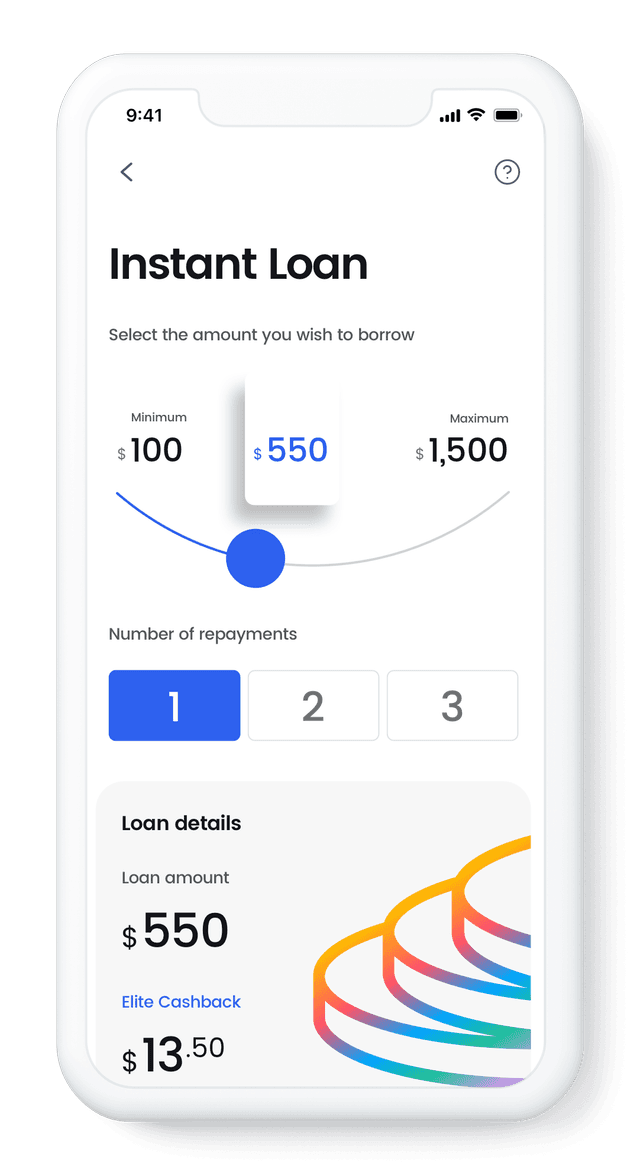
iCash is one example of a licensed online lender offering short-term loans while income stabilizes.
Important
iCash is a licensed online lender. Fees are $14 per $100 borrowed. Borrowing costs should be considered carefully before applying.
Need Money Before Your Side Hustle Pays Off?
Getting started with a side business doesn’t have to be overwhelming — even small steps can turn into better results over time. If you need funds while getting started, short-term options may help cover urgent costs while your income grows.